Why 12 Pillars of Light - Not 1, Not 100
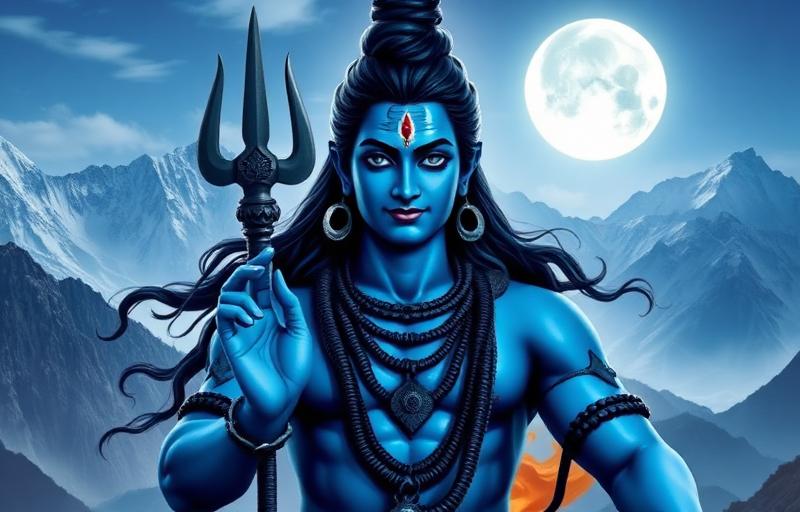
Once, in primordial time, Brahma (the creator) and Vishnu (the preserver) had an argument over who was greater. Lord Shiva, watching from above, decided to settle it. He manifested between them as a pillar of pure, blazing, beginningless, endless light - too bright to look at, too vast to measure.
'Whoever finds the top or bottom of this column,' Shiva announced from within the light, 'is the greater god.'
Brahma flew up as a swan to find the top. Vishnu took the form of a boar (Varaha) to dig down to the bottom. After eons of searching, both returned. Vishnu admitted he could not find the bottom. Brahma - to win the argument - lied that he had found the top.
Shiva's anger flashed. 'Brahma, for lying, you will never have a temple of your own on Earth. Vishnu, for honesty, you will be worshipped everywhere.' He then revealed Himself in His Shiva form and declared:
'Wherever this column of light has touched the Earth, that place is sacred. I will manifest in twelve specific locations as my self-luminous lingam - Jyotirlingas. Anyone who visits all twelve will attain moksha.'
Thus 12 Jyotirlingas (jyoti = light, linga = mark) emerged across the Indian subcontinent. Each is a SELF-LUMINOUS Shiva-lingam - not man-made. Each was discovered by sages who saw an unexplained pillar of light at the location.
The 12 Jyotirlingas (in the order recited in Dwadasha Jyotirlinga Stotra): 1. Somnath (Gujarat) - first and most ancient 2. Mallikarjuna (Andhra Pradesh) 3. Mahakaleshwar (Madhya Pradesh) - only south-facing Jyotirlinga 4. Omkareshwar (Madhya Pradesh) 5. Kedarnath (Uttarakhand) - highest at 11,755 ft 6. Bhimashankar (Maharashtra) 7. Kashi Vishwanath (Uttar Pradesh) - most worshipped 8. Trimbakeshwar (Maharashtra) 9. Vaidyanath / Baidyanath (Jharkhand) 10. Nageshwar (Gujarat) 11. Rameshwaram (Tamil Nadu) - southernmost 12. Grishneshwar (Maharashtra) - last of the 12
This blog covers each one - story, location, key mantra, special significance, and the ideal yatra order to do all 12 in a single pilgrimage.
🙏 The Vandnaa App's Jyotirlinga module includes virtual darshan from all 12 temples on a rotating daily basis, the complete Dwadasha Jyotirlinga Stotra audio, and a tour-planning tool to help you sequence your yatra.
Jyotirlingas 1-6: Somnath to Bhimashankar
1. SOMNATH (Veraval, Gujarat)
- Story: Chandra (Moon-god), cursed by his father-in-law Daksha to fade, performed tapasya here. Shiva freed him from the curse - but only partially, which is why the moon waxes and wanes. Chandra built the first temple to honor Shiva.
- Lingam: Self-luminous, set in a 5-foot-tall central altar
- Significance: First Jyotirlinga; destroyed and rebuilt 17 times by invaders, currently the modern (1995) reconstruction
- Mantra: 'Om Saurashtre Somanaatham Cha, Shri Shaila Mallikarjunam.' (opening line of Dwadasha Stotra)
- Best time to visit: Mahashivratri (Feb-Mar); pre-dawn aarti is breathtaking
- Reach: Veraval/Diu railhead; 90km from Junagadh
2. MALLIKARJUNA (Srisailam, Andhra Pradesh)
- Story: Shiva's son Kartikeya was angry with His parents and went to Krauncha mountain (Srisailam) in protest. Shiva and Parvati visited Him here in disguise. The lingam represents Shiva (Mallika = jasmine flowers Parvati offered Him; Arjuna = the white limestone of which the lingam is made)
- Lingam: Pure white limestone
- Significance: Combined Shiva-Parvati shrine; Parvati worshipped here as Bhramaramba (one of the 18 Shakti Peeths). So Srisailam is BOTH a Jyotirlinga AND a Shakti Peeth - a rare double-status
- Mantra: 'Shri Shaila Mallikarjunam.'
- Best time: Karthika Pournami (Nov-Dec full moon)
- Reach: Hyderabad → Srisailam by road (213km, 5 hours)
3. MAHAKALESHWAR (Ujjain, Madhya Pradesh)
- Story: A demon named Dushan was tormenting devotees of Shiva in Ujjain. Shiva emerged from the earth as Maha-Kaal (the great destroyer of time), killed the demon, and stayed at the spot as a Jyotirlinga
- Lingam: Only south-facing Jyotirlinga in India (all others face east). Symbolises Shiva's supremacy over Yama (death)
- Significance: Famous for Bhasma Aarti at 4 AM - the lingam is bathed with ash from cremation grounds (the only Shiva temple where this is done daily)
- Mantra: 'Ujjayinyaam Mahaakaalam.'
- Best time: Brahma Muhurat (4 AM) for Bhasma Aarti - book darshan 1 month in advance
- Reach: Ujjain railway station; 55km from Indore airport
4. OMKARESHWAR (Khandwa, Madhya Pradesh)
- Story: Vindhya mountain (which had stopped growing due to Sage Agastya's command) wished to be released from its constraint. It performed tapasya. Shiva manifested at the spot - on an island in the Narmada river that is itself shaped exactly like the syllable 'OM'
- Lingam: Set within an island shaped like the OM (ॐ) symbol - clearly visible from drone view
- Significance: The temple complex actually has TWO Jyotirlingas - Omkareshwar and Mamleshwar. Devotees visit both.
- Mantra: 'Omkaaram Amaleshvaram.'
- Best time: Kartik Purnima (Oct-Nov); the river is at its most beautiful
- Reach: Khandwa railway station; 80km from Indore
5. KEDARNATH (Uttarakhand)
- Story: After the Mahabharata war, the Pandavas wanted to atone for killing their relatives. They sought Shiva, who avoided them by taking the form of a bull and going to the Himalayas. The Pandavas chased Him; the bull dove into the earth, leaving its hump (which became Kedarnath), legs (Tunganath), face (Rudranath), navel (Madmaheshwar), and matted hair (Kalpeshwar) at five spots - together called Panch Kedar
- Lingam: Naturally formed conical lingam (like the bull's hump)
- Significance: Highest Jyotirlinga at 11,755 ft; closes during winter (Diwali to Akshay Tritiya - temple is buried under snow); the lingam is moved to Ukhimath for those 6 months
- Mantra: 'Himaalaye tu Kedaaram.'
- Best time: May to October (only window when temple is open)
- Reach: Helicopter from Phata/Sersi (15-min flight) OR 18-km trek from Gaurikund
6. BHIMASHANKAR (Pune, Maharashtra)
- Story: Demon Bhima (different from Mahabharata's Bhima) was the son of demon Kumbhakarna. He challenged Shiva himself. Shiva manifested as Bhimashankar form, killed him after a fierce battle. The sweat from the battle became the Bhima river
- Lingam: Massive natural lingam in a forested setting
- Significance: Wildlife sanctuary surrounds the temple - habitat of the rare Indian giant squirrel
- Mantra: 'Daakinyaam Bhimashankaram.'
- Best time: Monsoon (Jul-Sep); the temple area becomes lush green
- Reach: Pune → Bhimashankar by road (110km, 4 hours through Ghats)
Jyotirlingas 7-12: Kashi Vishwanath to Grishneshwar
7. KASHI VISHWANATH (Varanasi, Uttar Pradesh)
- Story: Lord Shiva chose Varanasi (Kashi) as His own city. He whispers the Tarak Mantra into the ear of every dying person here, granting them moksha. The original temple was destroyed by Aurangzeb in 1669; rebuilt by Ahilyabai Holkar in 1780. The new Vishwanath Corridor (2021) is a major modern addition.
- Lingam: Set in a silver-plated chamber; visible behind a metal grill
- Significance: THE most worshipped Jyotirlinga; said that one visit equals visits to all other 11 combined. Adi Shankaracharya wrote his major commentary here.
- Mantra: 'Vaaranasyaam tu Vishvesham.'
- Best time: Mahashivratri night, Sawan Mondays; pre-sunrise aarti at 3 AM
- Reach: Varanasi airport/railway; temple is 7km from station
8. TRIMBAKESHWAR (Nashik, Maharashtra)
- Story: Sage Gautama, falsely accused of killing a cow (which was actually a maya-cow created by jealous sages), performed severe tapasya. Shiva descended along with the Godavari river to absolve him. The river originates from the Trimbakeshwar temple itself.
- Lingam: Three small lingams in a single linga-base, representing Brahma-Vishnu-Mahesh trinity
- Significance: Origin of Godavari river (the 'Ganga of South India'); ALSO the most powerful site for Tripindi Shraddh (Pitra Dosh removal ritual). One of the 4 Naga temples for Kaal Sarp Dosh remedies.
- Mantra: 'Sahyaadre tu Trimbakam.'
- Best time: Sinhastha Kumbh (every 12 years; next 2027); Mahashivratri
- Reach: Nashik airport/railway; Trimbakeshwar is 28km away
9. VAIDYANATH / BAIDYANATH (Deoghar, Jharkhand)
- Story: Demon king Ravana, a Shiva devotee, performed tapasya in the Himalayas to take Shiva back to Lanka. Shiva agreed but warned: 'Do not place me on the ground anywhere during the journey.' At Deoghar, Ravana stopped for sandhya prayers and gave the lingam to a priest (Vishnu in disguise) to hold. Vishnu placed it on the ground. The lingam fixed itself there. Ravana could not lift it. The priest revealed himself as Vishnu and consecrated the spot - making it Vaidyanath ('Lord of Healers')
- Lingam: Healing/medical-Shiva form
- Significance: THE Jyotirlinga for healing - devotees with chronic illness travel here. The temple is also a Shakti Peeth (Sati's heart fell here)
- Mantra: 'Param Vaidyanaatham cha.' (some traditions place this differently in the stotra; recitation order varies by region)
- Best time: Mahashivratri; Sawan (huge crowds carrying Ganga water from Sultanganj)
- Reach: Deoghar airport/Jasidih railway; 280km from Patna
10. NAGESHWAR (Dwarka, Gujarat)
- Story: Demon Daruka kidnapped Supriya, a Shiva devotee. Imprisoned, Supriya prayed continuously to Shiva. Shiva manifested at the prison and killed Daruka. The lingam stayed at the spot - Nageshwar (Lord of Snakes, since the demon was a Naga-form)
- Lingam: Massive Shiva idol stands in the temple complex (25-meter tall outdoor statue is famous)
- Significance: Among the most peaceful Jyotirlingas; never destroyed by invaders. Combined visit with Dwarka temple (Krishna's city) - only 16km away.
- Mantra: 'Naagesham Daarukaa-vane.'
- Best time: October to March (avoid Gujarat's heat in summer)
- Reach: Jamnagar airport/Dwarka railway; 12km from Dwarka
11. RAMESHWARAM (Tamil Nadu)
- Story: Lord Ram, returning from Lanka after defeating Ravana, wanted to absolve himself of the sin of killing a brahmin (Ravana). He needed a Shiva-lingam. He sent Hanuman to Kailash to bring one. While Hanuman was delayed, Ram could not wait - he asked Sita to make a lingam from sand. He worshipped that sand-lingam first. When Hanuman returned with the bigger lingam, Ram blessed both - saying both were equal in his eyes. Both lingams remain in the temple to this day (the one Sita made = Rameshwaram, the one Hanuman brought = Vishwanatha lingam).
- Lingam: Two lingams in the same temple - Sita's sand-lingam (sacred) and Hanuman's lingam
- Significance: Southernmost Jyotirlinga; one of the 4 Char Dhams (the only Jyotirlinga that is also Char Dham). Has 22 sacred wells (theerthams) - devotees bathe in all 22 in sequence as part of the Rameshwaram ritual.
- Mantra: 'Setu-bandhe tu Raamesham.'
- Best time: October to March; Mahashivratri; Margashirsha (Dec) full moon
- Reach: Madurai airport (170km) → Rameshwaram by road over Pamban Bridge
12. GRISHNESHWAR (Aurangabad, Maharashtra)
- Story: A devout Shiva-bhakta named Kusuma worshipped Shiva by immersing a lingam in water daily. Her jealous co-wife killed Kusuma's son in revenge. Kusuma continued her prayers without anger. On the 28th day, Shiva appeared, restored her son to life, and stayed at the spot as Grishneshwar. The temple is also next to Ellora Caves (UNESCO World Heritage Site)
- Lingam: Small but beautifully proportioned lingam
- Significance: The 12th and last Jyotirlinga; visiting completes the dwadasha-darshan. Located at the same site as Ellora's Cave 16 (Kailasa Temple) - the world's largest single-rock-cut temple
- Mantra: 'Ghrshneshvaram cha tat.'
- Best time: October to March; Mahashivratri
- Reach: Aurangabad airport/railway; 30km from Aurangabad
Ideal Yatra Order - How to Plan Your 12 Jyotirlinga Pilgrimage
Visiting all 12 Jyotirlingas in a single trip is the dream of every Shiva devotee. With smart planning, it can be done in 18-21 days at moderate pace, or 30 days at relaxed pace. Here is the ideal order.
Western Cluster (Days 1-5): 1. Somnath (Gujarat) - fly into Diu, visit Somnath 2. Nageshwar (Gujarat) - same trip, just 200km from Somnath 3. Trimbakeshwar (Maharashtra) - train to Nashik 4. Bhimashankar (Maharashtra) - drive from Nashik 5. Grishneshwar (Maharashtra) - combined with Aurangabad/Ellora visit
Central Cluster (Days 6-9): 6. Mahakaleshwar (MP) - train/flight to Indore, then Ujjain 7. Omkareshwar (MP) - same Indore trip, 80km away
Northern Cluster (Days 10-14): 8. Kashi Vishwanath (UP) - fly to Varanasi from Indore 9. Vaidyanath (Jharkhand) - train from Varanasi to Deoghar (overnight) 10. Kedarnath (Uttarakhand) - flight to Dehradun, then helicopter to Kedarnath (only May-Oct possible)
Southern Cluster (Days 15-21): 11. Mallikarjuna (AP) - flight to Hyderabad, then drive to Srisailam 12. Rameshwaram (TN) - flight Hyderabad → Madurai, then drive
Critical Planning Notes:
- Best season: September to March (avoiding monsoons + extreme heat). Kedarnath specifically: only May-October available
- Mahashivratri timing: If your trip includes Mahashivratri (Feb-Mar), all 12 temples will have heavy crowds. Plan to be at Kashi Vishwanath OR Mahakaleshwar specifically for that night - these two have the most powerful Mahashivratri experiences
- Sawan timing: July-August (Shravan) is when devotees walk barefoot carrying water for abhishek. Beautiful but extremely crowded.
- Booking advice: Major temples (Kashi, Mahakaleshwar, Kedarnath) require advance booking - don't assume same-day darshan possible. Use the official temple trust websites - avoid third-party agents.
Budget estimates (for 18-21 day trip, single person, mid-range comfort):
- Transportation (flights + trains + local cabs): ₹40,000 – 80,000
- Accommodation: ₹50,000 – 1,20,000 (₹2,500-6,000/night)
- Food: ₹15,000 – 25,000
- Temple offerings + dakshina: ₹10,000 – 20,000
- Total: ₹1,15,000 – 2,45,000 per person
This is significant but consider: many devotees consider this a once-in-lifetime sankalp. Saving ₹5,000/month for 2-4 years funds it. Several travel companies offer guided 21-day Jyotirlinga packages at ₹85,000 – 1,80,000 (group rate) - verify their reputation thoroughly.
For those who cannot travel - virtual yatra: The Vandnaa App offers a 'Dwadasha Jyotirlinga Yatra' where you do a virtual visit to all 12 over 12 consecutive days, with audio darshan, the relevant mantra for each, prayers from the temple's main aarti. Many devotees who cannot travel physically have found this deeply transformative.
The Dwadasha Jyotirlinga Stotra: The complete stotra (composed by Adi Shankaracharya) names all 12 in a single recitation. It is THE most important text for Shiva devotees. Reciting it once is said to give the punya of visiting all 12 - daily recitation is highly recommended:
'Sourashtre Somanaatham cha, Shri Shaile Mallikarjunam, Ujjayinyaam Mahaakaalam, Omkaareshwaram-amaleshvaram, Paralyaam Vaidyanaatham cha, Daakinyaam Bhima-shankaram, Setu-bandhe tu Raamesham, Naagesham Daaruka-vane, Vaaranasyaam tu Vishvesham, Trimbakam Gautameetate, Himaalaye tu Kedaaram, Ghrshneshvaram cha shivaalaye, Etaani jyotir-lingani saayam praatah pathen-narah, Sapta-janma kritam paapam smaranen vinashyati.'
→ Reciting these names of all 12 Jyotirlingas morning and evening destroys the sins of seven births.
Jyotirlinga Mantras - One Powerful Mantra for Each of the 12
Chanting the name of each Jyotirlinga creates a direct energetic connection to that Shiva form. These mantras can be used during darshan, during morning Shiva puja, or on Pradosh and Shivaratri days.
Universal Jyotirlinga Stuti (The Complete 12 Names):
सौराष्ट्रे सोमनाथं च श्रीशैले मल्लिकार्जुनम्। उज्जयिन्यां महाकालमोंकारममलेश्वरम्।। परल्यां वैद्यनाथं च डाकिन्यां भीमशंकरम्। सेतुबन्धे तु रामेशं नागेशं दारुकावने।। वाराणस्यां तु विश्वेशं त्र्यम्बकं गौतमीतटे। हिमालये तु केदारं घृष्णेशं च शिवालये।। एतानि ज्योतिर्लिंगानि सायं प्रातः पठेन्नरः। सप्तजन्मकृतं पापं स्मरणेन विनश्यति।।
Meaning: "One who recites the names of these 12 Jyotirlingas (Somnath, Mallikarjuna, Mahakala, Omkareshwar, Vaidyanath, Bhimashankar, Rameshwar, Nageshwar, Vishweshwar, Tryambaka, Kedar, Grishneshwar) morning and evening - the sins of 7 lifetimes are destroyed by their mere remembrance."
Individual Mantras for Each Jyotirlinga:
1. Somnath: ॐ नमः श्री सोमनाथाय नमः 2. Mallikarjuna: ॐ नमः श्री मल्लिकार्जुनाय नमः 3. Mahakala: ॐ नमः श्री महाकालाय नमः 4. Omkareshwar: ॐ नमः श्री ओंकारेश्वराय नमः 5. Kedareshwar: ॐ नमः श्री केदारेश्वराय नमः 6. Bhimashankar: ॐ नमः श्री भीमशंकराय नमः 7. Vishweshwar (Kashi): ॐ नमः श्री विश्वेश्वराय नमः 8. Tryambakeshwar: ॐ नमः श्री त्र्यम्बकेश्वराय नमः 9. Vaidyanath: ॐ नमः श्री वैद्यनाथाय नमः 10. Nageshwar: ॐ नमः श्री नागेश्वराय नमः 11. Rameshwar: ॐ नमः श्री रामेश्वराय नमः 12. Grishneshwar: ॐ नमः श्री घृष्णेश्वराय नमः
When to Chant These Mantras:
- Pradosh Kaal (Tuesday and Friday evenings) - Pradosh is the most auspicious time for Shiva mantras. Chanting the 12-name stuti on Pradosh day 108 times earns the merit of visiting all 12 Jyotirlingas.
- Mahashivratri - chanting the stuti throughout the night of Mahashivratri
- Shravan Monday - each Monday of Sawan
- Shiva Linga Abhishek - chant while pouring water, milk, or Gangajal on the Shiva Linga at home
Vandnaa App's Shiva Mantra Pack includes the 12 Jyotirlinga stuti in audio with slow, clear pronunciation - ideal for chanting along during puja.
Virtual Jyotirlinga Darshan: How to Experience Sacred Energy Without Traveling
Not everyone can travel to all 12 Jyotirlingas - many are remote, some require significant physical effort (Kedarnath), and the yatra takes considerable time and cost. Here is how to connect with each Jyotirlinga's energy from home.
The Scriptural Basis for Home Darshan:
The 12 Jyotirlinga stuti (prayer) explicitly states: "One who recites these names morning and evening - the sins of 7 lifetimes are destroyed by their mere remembrance." This means the energetic connection exists in the NAME itself - not exclusively in physical presence.
The Shiva Purana also states that Shiva is Sarva-vyapi (present everywhere). The Jyotirlinga is a fixed point of concentrated presence - but Shiva himself is not confined to those points.
Home Practice for Each Jyotirlinga:
You can create a symbolic connection to each Jyotirlinga through:
1. Jyotirlinga Yantra at home: A copper plate etched with the 12 Jyotirlinga symbols placed in the puja room. Available at Shiva temples and online.
2. Manasa Yatra (mental pilgrimage): On Mahashivratri or any Pradosh, close your eyes after lighting a diya. Mentally "visit" each of the 12 Jyotirlingas in sequence - visualize the temple as you know it (or have seen in photos), offer water or milk in your imagination, chant the individual mantra. A complete Manasa Yatra takes 30–45 minutes.
3. The 12 Pradosh Shiva Pujas: One Pradosh per Jyotirlinga, spread over 6 months (2 Pradoshs per month). Dedicate each Pradosh to a specific Jyotirlinga and perform Abhishek with that Jyotirlinga's mantra.
4. Live Darshan Streams: Many Jyotirlinga temples now offer live webcam darshan:
- Somnath: somnath.org (live aarti at 7 AM, 12 PM, 7 PM)
- Kashi Vishwanath: shrikashivishwanath.in
- Kedarnath: badrinath-kedarnath.com (season: May–November)
- Mahakaleshwar: mahakaleshwar.com
When Physical Yatra Matters vs. When Virtual Is Sufficient:
Physical yatra is most important when:
- You are seeking a major blessing for a life event (marriage, child, recovery from illness)
- You want the darshan to be your sankalp for a major undertaking
- You are going as a pilgrimage of gratitude after a wish is fulfilled
Virtual / home practice is sufficient for:
- Daily connection and mantra practice
- Spiritual maintenance and protection
- When physical travel is not possible due to health, finance, or time
Vandnaa App's Jyotirlinga Guide has darshan timing, aarti schedules, and mantra packs for all 12 Jyotirlingas - with offline access so you can use it at each temple during your yatra.
Why Jyotirlinga Not Shivalinga - Understanding the Difference
Every home puja room has a Shiva Linga. Every Shiva temple has one. But there are only 12 Jyotirlingas. What makes these 12 different from the countless Shiva Lingas across India?
The Jyotir (Light) Principle:
"Jyotirlinga" = Jyoti (light/flame) + Linga (symbol/sign). The 12 Jyotirlingas are the specific locations where Shiva is said to have manifested as an infinite pillar of light (Jyotistambha) - rising from the earth with no beginning or end visible.
The Shiva Purana tells the origin: Brahma and Vishnu were in conflict over who was supreme. Shiva appeared as an infinite column of light to show that he transcends both. Brahma flew upward to find the top; Vishnu dove downward to find the base. Neither could find either end. Where this light-pillar descended to earth and became concentrated - that is a Jyotirlinga.
Shiva Linga vs. Jyotirlinga:
| Shiva Linga | Jyotirlinga | |---|---| | Man-made or Svayambhu (self-manifested) | All 12 are Svayambhu (self-manifested in scripture) | | Available everywhere (every Shiva temple) | Only 12 in the world | | Receiving prayers and blessing at your level | The concentrated presence of Shiva's infinite light form | | Can be taken home or installed anywhere | Fixed locations - cannot be moved | | Devotional purpose | Pilgrim purpose - for major intentions and blessings |
Why Svayambhu Lingas Are Most Powerful:
Svayambhu means "self-born" - the Linga manifested on its own without human installation. All 12 Jyotirlingas are Svayambhu. There are additional Svayambhu Lingas not in the 12 - Pashupatinath (Nepal), Amarnath (Kashmir), and others.
A Svayambhu Linga is believed to carry original earth-energy without human mediation. When you do Abhishek on a Svayambhu Linga, the transmission is direct from the earth's primal consciousness.
Panchamrit Abhishek at a Jyotirlinga:
When you physically visit a Jyotirlinga, the most powerful offering is Panchamrit Abhishek - pouring 5 sacred substances in sequence: 1. Milk (for purity) 2. Yogurt/curd (for prosperity) 3. Honey (for sweetness) 4. Sugar/jaggery (for clarity) 5. Ghee (for power)
Followed by plain Gangajal. The sequence matters - each substance corresponds to one element, creating a complete offering.
Vandnaa App's Shiva section includes the complete Panchamrit Abhishek mantra sequence and a guided Shiva Puja for home practice.
Frequently Asked Questions
Why are some Jyotirlingas inside locked grills (Kashi) while others are openly accessible?+
Three reasons. (1) Crowd management - Kashi Vishwanath gets 30,000-50,000 daily visitors. Direct touching by all would be physically impossible and would damage the lingam. The grill allows visual darshan + prayer offering through specific gateways. (2) Historical preservation - Kashi was destroyed by Aurangzeb in 1669; the rebuilt lingam is now under enhanced security. Some Jyotirlingas have similar histories. (3) Tradition - at Mahakaleshwar, the daily Bhasma Aarti requires the priest's exclusive access; pilgrims watch from designated areas. The barriers serve protection AND egalitarian darshan (ensuring everyone gets equal viewing access). Devotees agree the energy of darshan is not diminished by barriers - it is the bhaav (intention) that connects you to Shiva.
Can I visit just 4 or 5 Jyotirlingas instead of all 12?+
Yes - partial darshan is fully valid. Each Jyotirlinga is INDEPENDENTLY a complete spiritual destination. Even visiting ONE grants enormous punya. Do not feel pressured to visit all 12 if your time/budget cannot allow. Most devotees visit a regional cluster - e.g., the 5 western Jyotirlingas in one trip; OR Kashi + Vaidyanath in another; OR the Tamil Nadu/Andhra cluster. Over a lifetime, many devotees end up completing all 12 across multiple smaller trips. The spiritual benefit accumulates. There is no time limit - you can take 30 years to complete the dwadasha if needed.
Are there Jyotirlingas outside India?+
All 12 traditional Jyotirlingas are within modern India's borders. However, several scriptures mention 'unmanifested' Jyotirlingas across the universe - places where Shiva's light is present but not embodied as a physical lingam. Some Hindu texts speak of subtle Jyotirlinga-equivalents at Mount Kailash (Tibet - Shiva's actual residence), Pashupatinath (Nepal), and even at points in the Indonesian Hindu temples (Bali, Java) constructed by ancient Indian merchants. But these are not officially counted in the Dwadasha. The 12 Jyotirlingas as established by the Dwadasha Jyotirlinga Stotra remain the canonical list. NRIs may visit Pashupatinath in Nepal or Mount Kailash (now requires a Tibet permit) - these are deeply sacred to Shiva but not technically Jyotirlingas.
Why is Mahakaleshwar the only south-facing Jyotirlinga?+
Because of its connection to Yama (death) and time itself. Maha-Kaal literally means 'Great Time' or 'Death of Death'. The south is the direction governed by Yama. By facing south, Mahakaleshwar declares: 'I rule even over Yama and time.' This is why the temple's signature ritual is the Bhasma Aarti at 4 AM - using ash from cremation grounds. No other Shiva temple does this daily. The south-facing orientation is the universe's announcement that at this one spot, the cycle of life-and-death yields to Shiva's eternal nature. Devotees facing chronic illness, death anxiety, or grief over departed loved ones find profound peace at Mahakaleshwar - the 'lord of death' grants them release from death's hold. This is also why Ujjain is one of the 7 mokshapuris (cities granting moksha by death within their boundaries).
What if I cannot afford the full yatra - is virtual darshan really equivalent?+
Not exactly equivalent - but spiritually meaningful. Adi Shankaracharya himself said: 'Bhaav graahyah bhagavaan' (God is grasped by intention). Physical pilgrimage carries certain unique benefits: the literal travel hardships, the energy of being among other pilgrims, the actual touching of sacred locations. These cannot be fully replicated virtually. HOWEVER - virtual darshan + the Dwadasha Jyotirlinga Stotra recitation + your sincere devotion provides 70-80% of the spiritual benefit. For elderly, disabled, financially constrained, or NRIs unable to travel, this is fully sufficient. Many great saints (e.g., Tulsidas, Chaitanya) achieved Shiva's full grace without doing the dwadasha yatra physically. Bhaav exceeds geography. Use whatever path is open to you - the result is the same when devotion is sincere.
About the author
Acharya Vinaya Kapoor · M.A. Sanskrit, Mantra & Stotra Studies
Acharya Vinaya holds an M.A. in Sanskrit from Banaras Hindu University and writes the mantra and stotra commentary on Vandnaa. Her focus is on accurate pronunciation, traditional context, and helping modern readers connect with classical texts.
Meet the Vandnaa editorial team →Explore on Vandnaa
Related Articles
Mahashivratri 2026: Date, 4-Prahar Puja Vidhi, Nishita Kaal Muhurat & Powerful Shiva Mantras
10 min read
Sawan Somwar 2026: Dates, Vrat Vidhi, Shiv Mantras & Why Mondays in Sawan Are So Powerful
10 min read
Can We Chant Shiv Mantra at Night? (क्या रात को शिव मंत्र जप सकते हैं?)
6 min read
Kaal Sarp Dosh: Real Symptoms, 7 Powerful Remedies & The Only Puja That Works
8 min read