What Are the Puranas
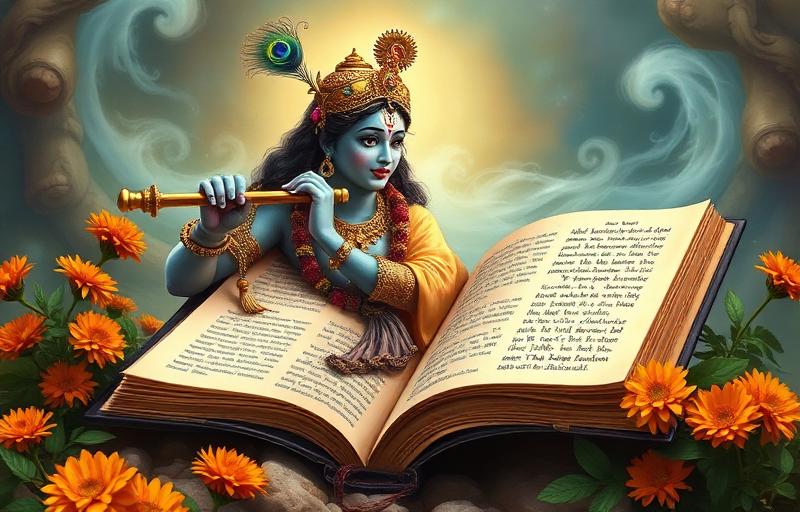
The word Purana means ancient or old, and the Puranas are among the most widely loved texts in Hindu tradition, passing on stories of creation, deities, sages and kings alongside teachings on dharma, devotion and daily life. Traditionally attributed to the sage Ved Vyasa, they were composed to make the wisdom of the Vedas accessible to every devotee, not only to scholars trained in Sanskrit ritual and philosophy.
Among the many Puranas that exist, Hindu tradition recognises eighteen as the Maha Puranas, the great Puranas, considered the principal texts of this literature, alongside a further set of Upapuranas, or minor Puranas.
The Complete List of Eighteen Maha Puranas
While the exact sequence can vary slightly between traditional sources, the eighteen Maha Puranas are commonly listed as follows:
- Brahma Purana
- Padma Purana
- Vishnu Purana
- Shiva Purana (with the Vayu Purana named in its place in some traditional listings)
- Bhagavata Purana
- Narada Purana
- Markandeya Purana
- Agni Purana
- Bhavishya Purana
- Brahmavaivarta Purana
- Linga Purana
- Varaha Purana
- Skanda Purana
- Vamana Purana
- Kurma Purana
- Matsya Purana
- Garuda Purana
- Brahmanda Purana
Each of these texts is vast in its own right, and together they form one of the largest bodies of devotional literature found in any tradition.
How Tradition Classifies Them
Hindu tradition offers more than one way of grouping the eighteen Puranas. One well known approach, found within the Puranas themselves, groups them into three sets of six according to which of the three gunas, sattva, rajas or tamas, is said to predominate in each text, broadly associating sattvic texts with Vishnu, rajasic texts with Brahma, and tamasic texts with Shiva.
Another simpler approach groups the Puranas by their predominant deity of focus, Vaishnava, Shaiva or Brahma-centred, though as many of the texts covered on Vandnaa show, in practice most Puranas move generously across more than one deity rather than staying within a single, narrow lane.
Their Common Structure: The Five Characteristics
Tradition holds that a genuine Purana touches upon five broad subjects, known as the pancha lakshana, or five characteristics: sarga, the original creation of the universe, pratisarga, its periodic dissolution and re-creation, vamsha, the genealogy of gods and sages, manvantara, the vast cycles of cosmic time presided over by different Manus, and vamshanucharita, the dynastic histories of kings.
Not every Purana covers all five in equal depth, and many go well beyond this framework into philosophy, pilgrimage geography, ritual instruction and devotional stories, but this five-part structure remains the traditional yardstick by which the genre is understood.
Beyond the Eighteen: The Upapuranas
Alongside the eighteen Maha Puranas, Hindu tradition also recognises a further body of texts known as the Upapuranas, or minor Puranas, which cover similar ground but are generally held in a secondary position to the eighteen principal texts. Together, this vast body of literature represents one of the richest storytelling and devotional traditions in the world, still being read, recited and drawn upon today.
No single devotee is expected to master all eighteen Maha Puranas, and most encounter them through the stories and figures that resonate most, Krishna through the Bhagavata, Shiva through the Linga or Shiva Purana, and so on.
A Takeaway for the Modern Devotee
For a devotee today, the eighteen Maha Puranas can feel like an enormous mountain to approach all at once, and there is no need to climb it that way. Reading even one story, one katha, or one Purana's introduction, as Vandnaa's guides to the Brahma, Bhagavata, Brahmavaivarta, Linga, Varaha, Vamana, Kurma and Matsya Puranas offer, is a meaningful step into this tradition.
What matters most, as with all scripture, is not how much is read but the spirit in which it is read, with humility, curiosity and faith. Approached this way, the Puranas remain what they were always meant to be, a doorway into devotion open to everyone.
Quick Answers
How many Maha Puranas are there in Hindu tradition?+
Hindu tradition recognises eighteen Maha Puranas as the principal texts of this literature, alongside a further set of Upapuranas, or minor Puranas.
What are the five traditional subjects covered by a Purana?+
Known as the pancha lakshana, they are sarga (creation), pratisarga (dissolution and re-creation), vamsha (genealogy of gods and sages), manvantara (cosmic time cycles) and vamshanucharita (dynastic histories of kings).
Do all eighteen Puranas focus on the same deity?+
No, while tradition loosely associates different Puranas with Brahma, Vishnu or Shiva, most texts move across multiple deities, and many, like the Kurma or Vamana Purana, blend devotion to more than one deity within a single text.
About the author
Anjali Mehta · Editor, M.A. Religious Studies
Anjali is the managing editor for Vandnaa and oversees the festival and vrat coverage. She holds an M.A. in Religious Studies and reviews every published article for accuracy, accessibility, and tradition-fidelity.
Meet the Vandnaa editorial team →