What Chakras Are - and Why They Matter
Chakras (Sanskrit for 'wheels') are 7 spinning energy centers located along your spine. They are not visible to the physical eye - but they correlate exactly with the body's major nerve plexuses and endocrine glands documented by modern anatomy. The ancient Yogis 'saw' through subtle perception what we now confirm with electromyography and MRI.
Each chakra:
- Has a specific location in the body
- Controls a specific physical organ-system
- Governs a specific psychological function
- Is associated with a specific element (earth, water, fire, air, ether, mind, beyond-mind)
- Has a specific Sanskrit beej mantra (single-syllable seed sound)
- Has a specific color and number of petals
When all 7 chakras are balanced, you feel:
- Mooladhara (root) → grounded, secure, financially stable
- Swadhisthana (sacral) → creative, sensual, emotionally fluid
- Manipura (solar plexus) → confident, willful, decisive
- Anahata (heart) → loving, compassionate, capable of intimacy
- Vishuddha (throat) → expressive, truthful, communicative
- Ajna (third eye) → intuitive, wise, clear-seeing
- Sahasrara (crown) → connected to higher consciousness, peaceful, meaningful life
When even ONE chakra is imbalanced (over-active or under-active), you experience specific physical, emotional, and life-pattern symptoms. The 'mystery' health and life issues that doctors and therapists cannot solve often map cleanly onto chakra imbalances.
Modern science confirms: Studies at AIIMS Delhi and the Bihar School of Yoga have documented measurable changes in heart-rate variability, EEG patterns, hormone levels, and immune markers when specific chakras are activated through breath, mantra, and meditation. Chakras are not 'belief' - they are subtle anatomy.
This blog covers each of the 7 chakras with: location, color, element, mantra, imbalance symptoms, balancing techniques (foods, mudras, mantras, asanas). By the end, you will be able to self-diagnose your imbalanced chakras and start a balancing practice the same day.
🌀 The Vandnaa App's Chakra module includes a 12-question diagnostic, audio of all 7 beej mantras, guided 7-day balancing programs, and a chakra-aligned daily morning practice.
Chakras 1-4: Mooladhara to Anahata (Lower Body)
1. MOOLADHARA (Root Chakra)
- Location: Base of spine, perineum
- Color: Red
- Element: Earth
- Beej Mantra: LAM (लं)
- Petals: 4
- Body Parts Governed: Legs, feet, large intestine, immune system, adrenal glands
- Psychological Function: Survival, security, grounding, financial stability
Imbalance symptoms:
- Chronic financial worries even when income is stable
- Frequent relocation, inability to settle
- Lower back pain, knee problems
- Constipation, weight issues (gain or loss)
- Constant anxiety about basic needs
- Disconnect from body - feeling 'floaty', ungrounded
Balancing techniques:
- Mantra: Chant 'Lam' (long extended Aaaaaa with M closure) 108 times daily, focusing on the perineum area
- Foods: Root vegetables (potatoes, carrots, beets), red foods (apples, tomatoes, pomegranate)
- Asana: Mountain pose (Tadasana), Tree pose (Vrikshasana), Child's pose (Balasana)
- Mudra: Muladhara mudra - touch tip of thumb to tip of index finger, both hands
- Daily practice: Walk barefoot on grass for 15 minutes; helps reconnect with earth element
---
2. SWADHISTHANA (Sacral Chakra)
- Location: Just below navel, lower abdomen
- Color: Orange
- Element: Water
- Beej Mantra: VAM (वं)
- Petals: 6
- Body Parts Governed: Reproductive organs, lower back, kidneys, bladder, ovaries/testes
- Psychological Function: Creativity, sexuality, emotion, pleasure, fluidity
Imbalance symptoms:
- Creative blocks despite talent
- Sexual dysfunction or excessive sexual obsession (both indicate imbalance)
- Repressed emotions or excessive emotional reactions
- Reproductive health issues (irregular periods, fertility issues, prostate)
- Inability to enjoy life's pleasures (eating, sex, art)
- Addictive behaviors as substitutes for genuine pleasure
Balancing techniques:
- Mantra: Chant 'Vam' 108 times, focusing on the lower abdomen
- Foods: Orange foods (oranges, mangoes, pumpkin), water-rich foods (cucumber, watermelon), nuts and seeds
- Asana: Cobra pose (Bhujangasana), Pigeon pose (Eka Pada Rajakapotasana), Hip-opening flows
- Mudra: Shakti mudra - interlace fingers with thumbs touching, hands held below navel
- Daily practice: Spend time near water (river, lake, ocean) at least 1 hour weekly. Engage in any creative activity (art, dance, cooking, writing) for 30 minutes daily
---
3. MANIPURA (Solar Plexus Chakra)
- Location: Solar plexus, just above navel
- Color: Yellow
- Element: Fire
- Beej Mantra: RAM (रं)
- Petals: 10
- Body Parts Governed: Stomach, liver, pancreas, digestive system, adrenals
- Psychological Function: Personal power, will, confidence, self-worth, transformation
Imbalance symptoms:
- Lack of confidence, indecisiveness
- Excessive control issues, anger problems
- Chronic digestive issues (acidity, ulcers, IBS)
- Power struggles in relationships and career
- Diabetes (sustained Manipura imbalance)
- Imposter syndrome, feeling 'not good enough'
Balancing techniques:
- Mantra: Chant 'Ram' 108 times, focusing on the upper abdomen
- Foods: Yellow foods (turmeric, lemons, bananas, corn), digestive spices (ginger, fennel, cumin)
- Asana: Boat pose (Navasana), Warrior poses, Bow pose (Dhanurasana)
- Mudra: Rudra mudra - thumb tip touches tips of index and ring fingers; middle and pinky extended
- Daily practice: Sun-bath for 15 minutes daily (early morning sun on the abdomen). Chant 12 names of Surya (Aditya Hridaya). Surya namaskar daily.
---
4. ANAHATA (Heart Chakra)
- Location: Center of chest
- Color: Green
- Element: Air
- Beej Mantra: YAM (यं)
- Petals: 12
- Body Parts Governed: Heart, lungs, thymus, circulation, immune function
- Psychological Function: Love, compassion, forgiveness, intimacy, balance
Imbalance symptoms:
- Difficulty giving or receiving love
- Holding grudges, inability to forgive
- Heart and breathing problems (asthma, palpitations)
- Chronic loneliness even when in relationships
- Co-dependent or avoidant relationship patterns
- Heart-region tension when stressed
Balancing techniques:
- Mantra: Chant 'Yam' 108 times, hand on heart
- Foods: Green leafy vegetables, green tea, green apples, basil, cilantro
- Asana: Camel pose (Ushtrasana), Cobra, Bow pose, Backbends generally (open the heart)
- Mudra: Anjali mudra - both hands joined at heart center (the namaste gesture). Hold for 5+ minutes daily.
- Daily practice: Practice 'forgiveness meditation' - daily mentally forgive 1 person who has hurt you. Volunteer or do seva 1 hour weekly. Hug a tree (literally) once a week - sounds silly but is documented chakra-activator.
Chakras 5-7: Vishuddha to Sahasrara (Upper Body)
5. VISHUDDHA (Throat Chakra)
- Location: Throat, base of neck
- Color: Sky Blue
- Element: Ether/Space (Akasha)
- Beej Mantra: HAM (हं)
- Petals: 16
- Body Parts Governed: Throat, neck, thyroid, parathyroid, mouth, vocal cords, ears
- Psychological Function: Communication, truth, self-expression, listening
Imbalance symptoms:
- Chronic throat infections, sore throat
- Thyroid disorders (hyper or hypo)
- Difficulty saying 'no' or expressing yourself
- OR over-talking, dominating conversations
- Dishonesty (in self or being deceived by others)
- Inability to listen deeply to others
- Fear of public speaking, stuttering
Balancing techniques:
- Mantra: Chant 'Ham' 108 times, hand on throat. Also recite: Vishnu Sahasranama, Saraswati mantras
- Foods: Blue foods (blueberries), liquids (warm water, herbal teas), throat-soothing foods (honey, ginger tea, soups)
- Asana: Fish pose (Matsyasana), Plow pose (Halasana), Camel pose, Lion pose
- Mudra: Granthita mudra - interlace fingers with index fingers crossed, thumbs together. Hold at throat level.
- Daily practice: Practice 'one-truth-a-day' - say one true thing you've been hiding. Sing for 5 minutes daily (any song). Read aloud for 10 minutes.
---
6. AJNA (Third Eye Chakra)
- Location: Between eyebrows, slightly above
- Color: Indigo (deep blue-purple)
- Element: Mind (Manas)
- Beej Mantra: OM (ॐ - single sound)
- Petals: 2 (representing duality being transcended)
- Body Parts Governed: Eyes, brain, pineal gland, pituitary gland, autonomic nervous system
- Psychological Function: Intuition, imagination, vision, wisdom, perception
Imbalance symptoms:
- Lack of clear vision for life direction
- Intuition feels 'shut off' - gut feelings absent
- Recurring nightmares or unable to dream
- Headaches, especially frontal/migraine
- Eye problems beyond age-norm
- Cynicism, materialism beyond healthy practicality
- OR - over-imaginative, lost in fantasy, detached from reality
Balancing techniques:
- Mantra: Chant 'Om' (3-second sustained Aum) 108 times, focusing on the third eye area. The single 'Om' is the most important mantra of all because it activates Ajna directly.
- Foods: Dark blue foods (blueberries, blackberries, plums), brain-foods (walnuts, omega-3-rich foods)
- Asana: Child's pose with forehead on ground, Downward dog, Eagle pose (concentration)
- Mudra: Hakini mudra - touch all five fingertips of one hand to the matching fingertips of the other, hold at chest level
- Daily practice: Trataka (candle gazing) for 5-10 minutes - sit in dark room, gaze at a candle flame without blinking, then close eyes and visualize the flame at third eye. This is the most powerful Ajna activator. Also: keep a dream journal, decline to discuss your intuitions for 21 days (intuition strengthens when not externalized).
---
7. SAHASRARA (Crown Chakra)
- Location: Top of head
- Color: Violet (or pure white-gold)
- Element: Beyond elements (pure consciousness)
- Beej Mantra: Silence - but for activation, AUM extended
- Petals: 1000 (the 'thousand-petaled lotus')
- Body Parts Governed: Pineal gland (cosmic connection), upper brain, central nervous system
- Psychological Function: Connection to higher consciousness, life-purpose, meaning, transcendence
Imbalance symptoms:
- Feeling life is meaningless
- Spiritual disconnection ('religion doesn't speak to me')
- Chronic depression beyond circumstantial cause
- Inability to feel 'at peace' with anything
- Existential dread without specific trigger
- OR - over-spiritualization, spiritual bypassing, neglecting practical life for 'spiritual' pursuits
Balancing techniques:
- Mantra: Sit in silence for 11 minutes daily. Within silence, the mantra is the silence itself. If you must use sound, chant 'Aum' very softly with extended pause between repetitions.
- Foods: Light foods, fasting (sometimes), pure water, very light meals - Sahasrara doesn't 'feed' on food, it transcends it
- Asana: Headstand (Shirshasana - only if trained safely), Lotus pose (Padmasana), seated meditation
- Mudra: Sahasrara mudra - interlock fingers, ring fingers raised and touching, hold above head
- Daily practice: Daily 11-minute silent meditation - non-negotiable for Sahasrara. Visit any temple weekly with the explicit intention of feeling 'connection' (not for material wishes). Read 1 page of Bhagavad Gita or Upanishads daily.
Complete 7-Day Chakra Balancing Program
Most chakra issues respond to a focused 7-day intensive. Here is the program - one chakra per day, building up.
Day 1 (Sunday) - Mooladhara: Wear red. Walk barefoot on grass for 20 minutes. Eat root vegetables. Chant 'Lam' 108 times morning and evening (focusing on the perineum). Mountain pose for 5 min. Reflect: 'Where in my life do I feel insecure or unsupported?'
Day 2 (Monday) - Swadhisthana: Wear orange. Spend 1 hour near water. Eat orange foods. Chant 'Vam' 108x morning and evening (focusing on lower abdomen). Cobra pose for 5 min. Engage in 30 min of pure creativity (art, dance, music) - no goal, just play. Reflect: 'What creative urge am I suppressing?'
Day 3 (Tuesday) - Manipura: Wear yellow. Sun-bathe for 15 min. Surya namaskar 12 cycles. Eat yellow foods, especially turmeric milk. Chant 'Ram' 108x morning and evening (focusing on solar plexus). Boat pose for 5 min. Reflect: 'Where am I giving my power away?'
Day 4 (Wednesday) - Anahata: Wear green. Eat green foods. Forgiveness meditation: list 3 people you resent, mentally say 'I forgive you' for each. Chant 'Yam' 108x morning and evening (hand on heart). Camel pose for 5 min. Hug a tree for 3 minutes (literally). Reflect: 'Whom am I withholding love from - including myself?'
Day 5 (Thursday) - Vishuddha: Wear sky blue. Sing for 10 minutes. Speak one truth you have been hiding. Eat blue foods or warm liquids. Chant 'Ham' 108x morning and evening (hand on throat). Fish pose for 5 min. Listen to a friend without interrupting for 30 minutes. Reflect: 'What am I afraid to say?'
Day 6 (Friday) - Ajna: Wear indigo or dark blue. Trataka (candle gazing) for 10 minutes at dusk. Eat dark blue foods. Chant Aum (3-second extended) 108x in the morning and evening, focusing on the third eye. Skip news/social media for the day - protect inner vision. Reflect: 'What does my deepest intuition tell me about my next step?'
Day 7 (Saturday) - Sahasrara: Wear white or violet. Sit in silence for 22 minutes (twice 11 min - morning and evening). Visit any temple. Read 1 chapter of Bhagavad Gita aloud. Eat very simply. Reflect: 'What is the greater meaning of my life right now?'
After Day 7:
- Continue daily 11-minute silence + 1 chosen chakra mantra (108x) for the chakra most imbalanced for you
- Repeat the full 7-day program every season change (4 times a year - March, June, September, December)
- In between, daily Surya namaskar (cleanses 1-2-3 chakras), pranayama (cleanses 4-5-6), and 11 minutes silence (cleanses 7) is sufficient maintenance
The Vandnaa App's 7-day program sends you reminders, audio mantras, journal prompts, and tracks your symptom changes. Most users report measurable improvement in 1-2 chakras within the first week, and complete energy shift within 21 days of regular practice.
Chakra Healing Through Food, Color, Sound, and Crystal Therapy
Chakra healing is not confined to meditation and yoga - it permeates every aspect of life including what you eat, what colors you wear, what sounds you expose yourself to, and what materials you keep in your environment. Ancient wisdom traditions understood the chakras as energy lenses through which we interact with all aspects of reality.
Food and chakra activation: Each chakra corresponds to specific foods that activate and nourish it:
- Muladhara (Root): Red foods - tomatoes, beets, strawberries, pomegranates. Root vegetables - carrots, radish, potatoes. These foods ground the earth element.
- Svadhishthana (Sacral): Orange foods - mangoes, papayas, oranges. Foods with healthy fats - avocado, coconut. These nourish creative and sensory energy.
- Manipura (Solar Plexus): Yellow foods - bananas, corn, turmeric, lemon. Warming spices - ginger, cumin, fennel. These activate the fire element of digestion and will.
- Anahata (Heart): Green foods - spinach, coriander, mint, peas. Air-light foods. The heart chakra is nourished by fresh, living foods.
- Vishuddha (Throat): Blue/purple foods - blueberries, plums, purple grapes. Also liquids - good quality water, herbal teas. The throat chakra governs the flow of what enters and exits.
- Ajna (Third Eye): Indigo foods - black currants, purple cabbage. Also brain foods - walnuts (shaped like brains), dark chocolate.
- Sahasrara (Crown): White and violet foods - cauliflower, garlic, coconut. The crown chakra is also nourished by fasting - the absence of food creates space for spiritual receptivity.
Sound healing (Bija mantras): Each chakra has a seed syllable (bija) that specifically activates it when chanted:
- Root: LAM | Sacral: VAM | Solar Plexus: RAM | Heart: YAM | Throat: HAM | Third Eye: OM | Crown: AH (or silence)
Chanting each bija 7-21 times while focusing attention on the corresponding body location creates a resonant feedback loop - the vibration of the chant matches the natural frequency of the chakra.
Color therapy (Chromotherapy): Wearing clothing in the color corresponding to the chakra you wish to activate, surrounding yourself with that color, or visualizing it during meditation all stimulate the relevant energy center. The traditional correspondence is: red, orange, yellow, green, blue, indigo, violet - for root to crown.
Crystal and gemstone therapy: Specific crystals are associated with each chakra. While their metaphysical properties are experiential rather than scientifically proven, their use is ancient and widespread:
- Root: Red jasper, garnet, black tourmaline
- Heart: Rose quartz, green aventurine, malachite
- Third Eye: Amethyst, lapis lazuli
- Crown: Clear quartz, selenite
Place the crystal on the body over the corresponding chakra during savasana or meditation for 15-20 minutes. The Vandnaa app includes guided chakra meditations with each bija mantra, allowing you to systematically work through all seven chakras in a 30-minute morning practice.
Yoga Poses for Chakra Awakening: Asanas That Activate Each Energy Center
Yoga asanas were originally designed not for physical fitness but for chakra awakening - each pose compresses, stretches, or opens specific areas of the body that correspond to energy centers. Practiced with awareness of the associated chakra, even simple poses become powerful energy tools.
Muladhara (Root Chakra) - Tadasana and Malasana: Tadasana (Mountain Pose) is the foundational root chakra pose - standing with feet fully planted, weight evenly distributed, spine tall. Feel the connection between feet and earth. The root energy is about stability, belonging, and safety; Tadasana embodies these qualities. Malasana (Garland/Squat Pose) physically compresses the perineum area where Muladhara is located, creating direct stimulation. Hold for 2-3 minutes while breathing into the base of the spine.
Svadhishthana (Sacral Chakra) - Baddha Konasana and Hip Circles: Baddha Konasana (Butterfly Pose) opens the hips and inner thighs - the physical territory of the sacral chakra. Sexual and creative energy is stored in the hips; hip opening poses release both physical tension and energetic stagnation. Gentle hip circles in a seated position also directly massage the sacral chakra area.
Manipura (Solar Plexus Chakra) - Navasana and Dhanurasana: Navasana (Boat Pose) compresses the navel area, firing the agni (fire) of the solar plexus. This is the "core" in both the physical and energetic sense - strength here correlates with willpower, confidence, and digestive health. Dhanurasana (Bow Pose) stretches the entire front of the body while compressing the navel - it simultaneously opens Anahata (heart) while activating Manipura.
Anahata (Heart Chakra) - Ustrasana and Matsyasana: All backbends open the heart chakra by physically expanding the chest, releasing the protective armor we develop around emotional vulnerability. Ustrasana (Camel Pose) is particularly powerful - the chest fully opens while the head drops back. Matsyasana (Fish Pose) similarly expands the chest and stretches the throat, activating both Anahata and Vishuddha simultaneously.
Vishuddha (Throat Chakra) - Sarvangasana and Lion Pose: Sarvangasana (Shoulder Stand) compresses the throat, directing blood flow to the thyroid gland - which governs metabolism and communication. Simhasana (Lion Pose) - exhaling forcefully with tongue out - is the most direct throat chakra activation: it physically releases suppressed expression and energizes the throat region.
Ajna (Third Eye Chakra) - Balasana and Trataka: Balasana (Child's Pose) with forehead on the mat stimulates the Ajna point directly through gentle pressure. Extended holds (3-5 minutes) create a sustained activation. Trataka (candle gazing) - while not a traditional asana - is the primary Ajna awakening practice: fixed gaze at a flame point without blinking for 10-20 minutes.
Sahasrara (Crown Chakra) - Sirsasana and Meditation: Sirsasana (Headstand) literally reverses blood flow, bringing it to the crown of the head where Sahasrara is located. This is why it was called the "king of asanas" - it is the peak chakra practice. For beginners, Sirsasana can be replaced by Viparita Karani (Legs-Up-Wall Pose), which creates similar circulatory effects safely.
The Vandnaa app includes 7-chakra yoga sequences with guided instruction and chakra-specific mantras to chant during each pose - an integrated system for complete energy body development.
Chakras in Vedic Scriptures: Ancient Texts That Describe the Energy Body
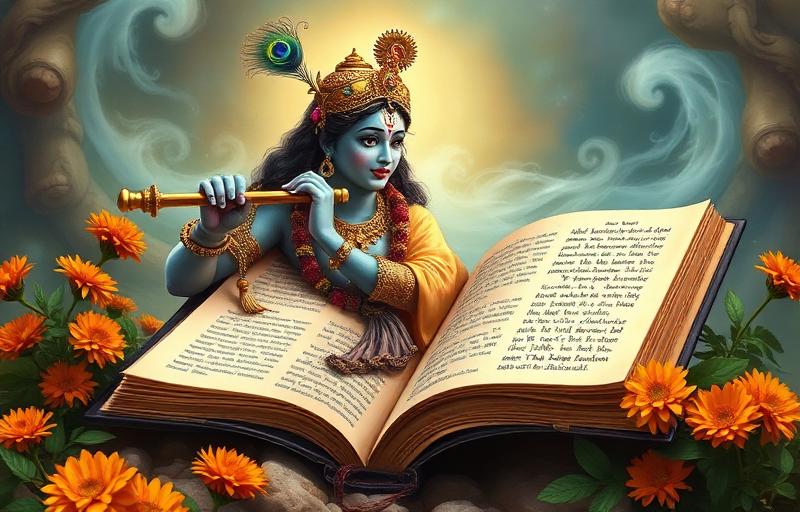
The chakra system is often presented in modern wellness culture as if it were discovered recently or is a New Age concept. In fact, the chakras are described with great precision in ancient Sanskrit texts spanning thousands of years - from the Upanishads to the Tantras to the medieval hatha yoga texts.
The Vedic foundations: The earliest references to the body's subtle energy centers appear in the Atharva Veda (approximately 1200-1000 BCE), which describes "knots" in the body's energy channels (nadis). The Chandogya Upanishad speaks of 101 nadis radiating from the heart, one of which leads to immortality - an early formulation of what later became the sushumna-ida-pingala (central and side channels) system.
The Yoga Upanishads: A group of 20 texts specifically focused on yoga practice (Yoga-Kundalini Upanishad, Yogakundalyupanishad, Shandilya Upanishad) describe the chakras in detailed, technical language. The Yoga-Kundalini Upanishad describes the seven lotuses with their specific petal counts (4, 6, 10, 12, 16, 2, and 1000 petals) - which correspond precisely to the nerve plexuses at each location.
Sat-Chakra-Nirupana: This 16th-century Sanskrit text by Purananda Yati is the most comprehensive and precise description of the seven chakras in classical literature. It was partially translated into English in Arthur Avalon's "The Serpent Power" (1919), introducing the chakra system to Western audiences for the first time. Every detail - the bija mantras, the presiding deities, the elements, the colors, the number of petals - is specified with taxonomic precision.
Goraksha Satakam and Hatha Yoga Pradipika: These hatha yoga texts (10th-15th century) describe the chakras in the context of kundalini awakening practice - the deliberate activation of the dormant energy at the base of the spine through pranayama, bandha (locks), and meditation. The Hatha Yoga Pradipika specifically describes how each chakra, when pierced by the awakening kundalini, produces different experiences: visions, sounds (nada), states of consciousness, and ultimately liberation (moksha) when the energy reaches Sahasrara.
The Tantric elaborations: The Kashmir Shaiva and Sri Vidya Tantric traditions developed the most sophisticated chakra theologies. In these systems, the chakras are not just bioenergetic centers but are mapped to deities, mantras (the 50 Sanskrit letters are distributed among the petals of the six lower chakras), and cosmic principles. The entire universe is encoded in the human body through this system.
What the tradition says about chakra awakening: Unlike the popular notion that chakra "healing" is a gentle self-help practice, the traditional texts are explicit that deep chakra awakening (particularly kundalini rising) requires a qualified teacher's guidance. The texts describe both the profound liberation available and the risks of premature or unguided awakening. This is why guru-disciple relationship was considered essential in classical yoga.
For modern practice: Most people practicing chakra work through meditation, yoga, and mantras are working with the "surface" of the chakra system - awareness, mild activation, emotional healing. This level of practice is safe and beneficial without specialized guidance. The Vandnaa app provides appropriate entry-level chakra practices drawn from the Vedic tradition, with references to the source texts for those who wish to study further.
What People Ask Most
Can I work on all 7 chakras at once or only one at a time?+
Both approaches work. Sequential (one chakra per day, as in the 7-day program above) is best for beginners - focused, clear, measurable. Simultaneous (all 7 every day) is fine for experienced practitioners and is what advanced yoga practices like Kundalini Yoga do - but requires 60-90 minutes daily. Recommendation: Start with sequential (Week 1: 7-day program). Then maintain with daily 'all 7' brief practice (chant each beej mantra 11 times, total 5 minutes). Plus deep-dive on whichever chakra remains most imbalanced. The body's energy responds to focused intensity better than scattered attention.
How do I know which chakra is most imbalanced for me?+
Look at your dominant life-pattern issue. If money/security is your biggest stress → Mooladhara. If creative blocks/relationships/sensuality is the issue → Swadhisthana. If confidence/digestion/career power is → Manipura. If love/heart-issues/forgiveness is → Anahata. If communication/throat issues/expression is → Vishuddha. If intuition/clarity/headaches/vision is → Ajna. If meaning/depression/spirituality is → Sahasrara. The Vandnaa App's 12-question diagnostic does this automatically. Most people have 2-3 imbalances simultaneously - focus on the dominant one for the first 21 days, then move to the second.
Is chakra balancing the same as Kundalini awakening?+
No, they are related but not identical. Chakra balancing is bringing each of the 7 to optimal function - practical, daily, beneficial for everyone, low risk. Kundalini awakening is when the dormant cosmic energy at the base of the spine rises through the central channel (Sushumna nadi), piercing each chakra in sequence, until it reaches Sahasrara. This is rare, intense, and can be dangerous without proper guidance. Many premature Kundalini awakenings cause panic disorders, psychosis, severe insomnia. Recommendation: focus on chakra BALANCING (this article's content). Kundalini awakening, if it happens organically as a result of years of practice, is a natural evolution. Do not deliberately attempt to awaken Kundalini through aggressive techniques without a qualified guru.
Can children practice chakra balancing?+
Yes - and they benefit significantly. Children's chakras are naturally more open than adults' but can become imbalanced due to school stress, family dynamics, screen time. Adapted practices for children: (1) Mooladhara - barefoot play, root vegetables in diet, 'mountain pose' games. (2) Swadhisthana - water play, art and dance time. (3) Manipura - sun salutations as fun yoga, turmeric milk before bed. (4) Anahata - gratitude practices, hugging family/pets, kindness exercises. (5) Vishuddha - singing, story-telling, expressive games. (6) Ajna - simple meditation (5 minutes for under-12s), reduced screen time. (7) Sahasrara - temple visits, simple prayers. The 7 beej mantras can be taught as a 'rainbow song' to children - Lam-Vam-Ram-Yam-Ham-Aum-Silence. They love it. Schools in India are increasingly teaching this - Patanjali, Art of Living, etc. all have children's chakra programs.
Are chakras a religious concept or universal?+
Universal - across multiple ancient traditions. The CHAKRA SYSTEM as detailed in this blog comes from Hindu Tantric texts (especially the Shat Chakra Nirupana, 16th century). However, very similar systems exist in Tibetan Buddhism (5 chakras), Chinese Taoism (3 dantian energy centers), Egyptian/Hermetic traditions (7 sephiroth - astonishingly close to Hindu chakras), and even Native American medicine wheel traditions. Modern scientists studying these convergences hypothesize chakras describe REAL anatomical-energetic patterns that humans across cultures have independently observed. You do not need to be Hindu to benefit. Atheists, Christians, Muslims, Buddhists, secular yoga practitioners - all can access chakra balancing as a non-religious wellness practice. The mantras (Lam, Vam, Ram, Yam, Ham, Aum) are sound vibrations, not deity invocations - anyone can chant them. The benefits are about subtle anatomy, not faith.
About the author
Acharya Vinaya Kapoor · M.A. Sanskrit, Mantra & Stotra Studies
Acharya Vinaya holds an M.A. in Sanskrit from Banaras Hindu University and writes the mantra and stotra commentary on Vandnaa. Her focus is on accurate pronunciation, traditional context, and helping modern readers connect with classical texts.
Meet the Vandnaa editorial team →Explore on Vandnaa
Related Articles
Brahma Muhurat: What It Is, 11 Scientific Benefits & How to Wake Up at 4 AM Without Failure
9 min read
Vishnu Sahasranama: The 1000 Names of Vishnu - Meaning, Benefits & Daily Recitation Vidhi
12 min read
Gayatri Mantra Meaning, Benefits & How to Chant (गायत्री मंत्र)
12 min read
How to Stay Calm in Difficult Times – Bhagavad Gita Wisdom (भगवद्गीता)
9 min read