A Mountain Revered Across Many Faiths
Rising from the hills of central Sri Lanka, the conical peak known widely as Adam's Peak, and in Sinhala as Sri Pada, is one of the island's most striking natural landmarks and one of its most visited pilgrimage sites. At its summit lies a large rock formation resembling a footprint, a feature that has drawn devotees of several faiths to climb the mountain for many centuries.
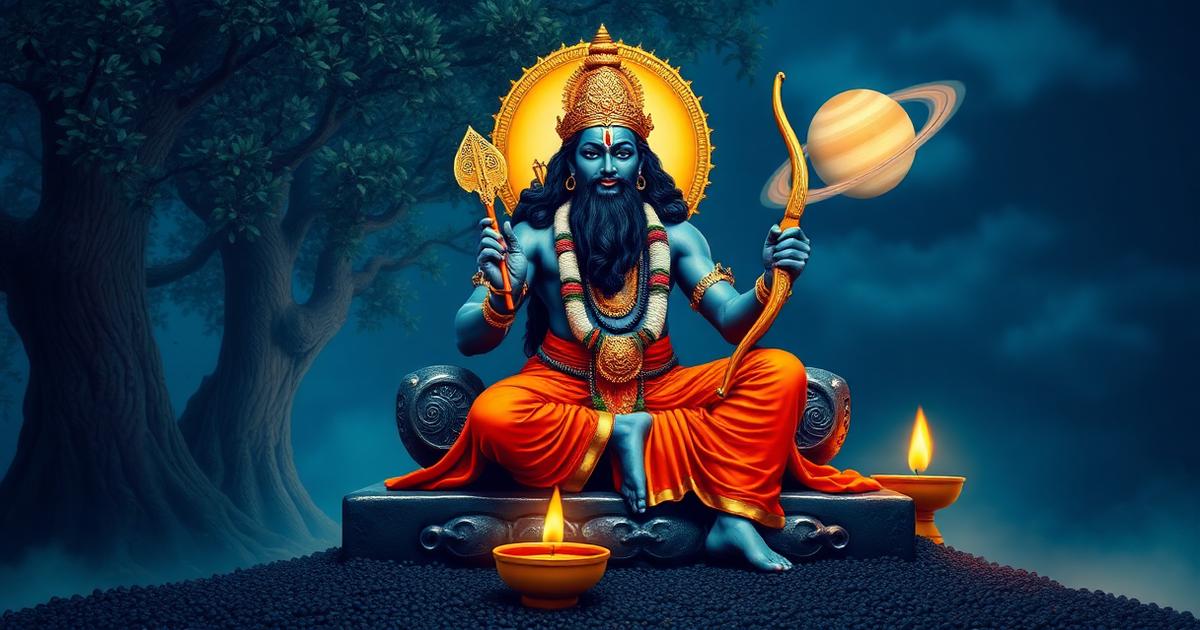
Hindu devotional tradition knows this peak as Sivanolipatha Malai, understanding the footprint as a mark associated with Lord Shiva, while Buddhist tradition reveres it as the footprint of the Buddha, and other traditions hold their own devotional meanings for the same summit.
The Hindu Understanding of Sivanolipatha Malai
In Hindu devotional tradition, the footprint at the summit is honoured as a sign of Shiva's presence upon the mountain, and the climb itself is regarded by Hindu pilgrims as an act of tapasya, a disciplined spiritual effort undertaken in devotion. This understanding sits alongside the mountain's other names and meanings, reflecting a long-standing pattern across Sri Lanka of shared sacred geography.
For generations, Hindu devotees from South India and across Sri Lanka have undertaken this climb, treating the physical challenge of the ascent as part of the devotional offering itself.
The Pilgrim Climb and Its Season
The climb up Sri Pada follows a long series of steps, most commonly ascended at night so that pilgrims reach the summit in time to witness sunrise from the peak, an experience many describe as deeply moving regardless of their faith. The main pilgrimage season runs through the cooler, drier months, when the route is well lit and busiest with devotees.
Along the way, small shrines and rest points allow pilgrims to pause, and a spirit of shared purpose is often felt among climbers of different backgrounds making the same ascent together.
Significance for Hindu Pilgrims
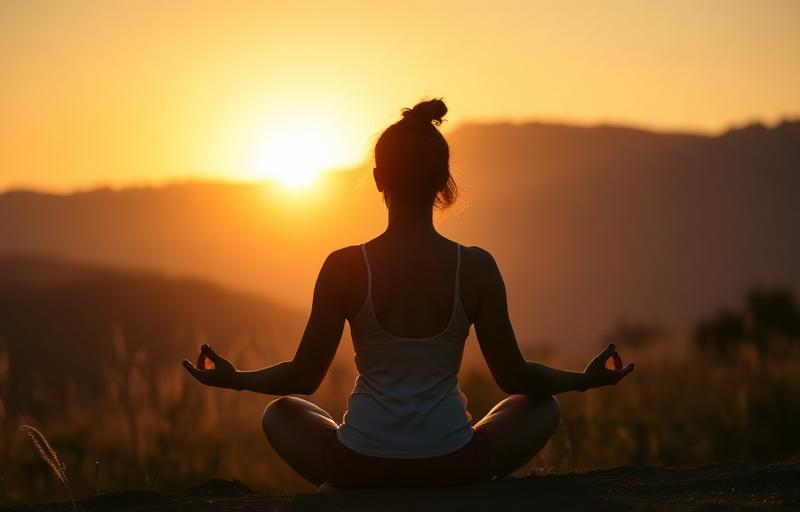
Hindu devotees undertake this climb seeking Shiva's blessings, viewing the physical effort of the ascent as a form of surrender and discipline offered in his honour.
- Pilgrims seek strength and endurance through the climb, treating it as a spiritual discipline
- The sunrise seen from the summit is regarded as a moment of quiet grace, marking the end of the ascent
- Devotees value the shared, multi-faith atmosphere of the climb as a reflection of devotion's many paths
- Many combine this pilgrimage with visits to Sita Eliya and other central Sri Lankan devotional sites
How to Reach Sri Pada
Several routes lead up Sri Pada, with the most popular starting point at Nallathanniya, also known as Dalhousie, reachable by road from Hatton or Nuwara Eliya in the central hill country. Hatton railway station offers convenient rail access from Colombo and Kandy for pilgrims arriving by train.
Most pilgrims base themselves in the nearby towns the evening before, beginning the climb late at night to reach the summit before sunrise.
Mantra to Chant and the Takeaway
Hindu pilgrims climbing Sri Pada often chant Om Namah Shivaya softly as they ascend, letting the rhythm of the mantra match the steady rhythm of the climb. The mountain's many names and many traditions of reverence offer devotees a gentle reminder that the divine can be honoured through more than one path, each sincere and worthy of respect.
A climb up Sri Pada, undertaken with patience and devotion, is an act of faith and love, not a transaction, a physical journey that mirrors the inner journey every devotee makes toward the divine.
Reader Questions Answered
What does Sivanolipatha Malai mean?+
It is the Hindu devotional name for Sri Pada, understanding the footprint at the summit as a mark associated with the presence of Lord Shiva.
When is the best time to climb Sri Pada?+
The main pilgrimage season falls during the cooler, drier months, when the climbing route is well maintained and lit for the large numbers of pilgrims who ascend at night.
Is Sri Pada revered by only one faith?+
No, it is honoured across several traditions, including Hindu, Buddhist and other faiths, each attributing their own sacred meaning to the footprint at the summit.
About the author
Pandit Ravindra Sharma · Vedic Rituals & Bhakti, 22+ years
Pandit Ravindra is the Vandnaa editorial team's resident specialist on aarti, chalisa, and daily devotion. He has performed home and temple pujas across Varanasi and Delhi for over two decades and contributes the bhakti-focused articles on this site.
Meet the Vandnaa editorial team →