What Is a Jatara?
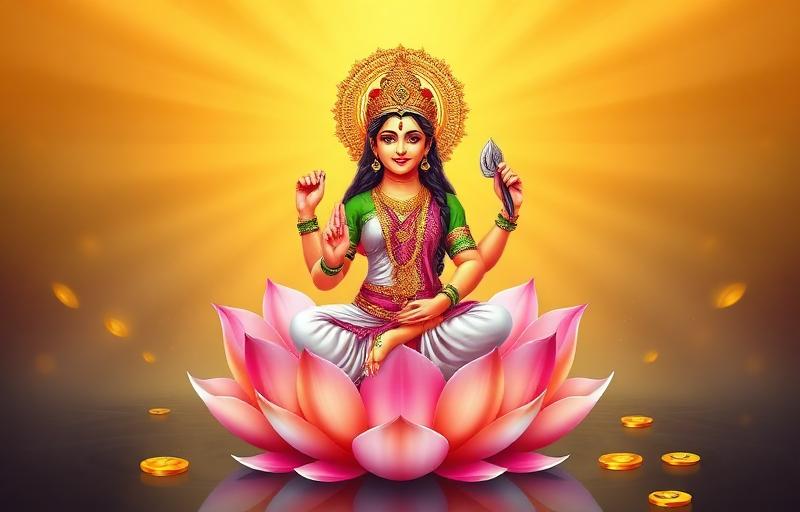
A jatara is a periodic temple fair held in villages across Andhra Pradesh, usually once a year, and in the case of some of the most revered deities, once every two or more years. It centres on a particular temple, most often dedicated to a local goddess, and brings together not only the immediate village but also relatives and devotees from far beyond who make it a point to return for the occasion.
Unlike a routine temple visit, a jatara is treated as a major devotional event, one that families plan for and look forward to across the year.
The Rhythm of Village and Farming Life
Jataras are closely tied to the agricultural calendar of the region, often observed after harvest, when villagers have both the means and the occasion to celebrate, or before the sowing season, when blessings are sought for a good yield ahead. This timing reflects the deep, practical relationship between village deity worship and the farming life that sustains the community.
In this way, the jatara functions as both a spiritual and a seasonal marker, a fixed point around which the village's year quietly organises itself.
Vows and Devotion
A central feature of jatara devotion is mokkubadi, the fulfilment of vows made to the deity, often during a time of illness or hardship, promising a specific offering in return for her help. These offerings can range from a simple garland to elaborate acts of gratitude, and fulfilling them publicly during the jatara is considered an important act of honesty before the community and the goddess alike.
Many devotees describe this cycle of vow and fulfilment as central to their personal relationship with the deity, a promise kept rather than a transaction completed.
Procession and Community Feast
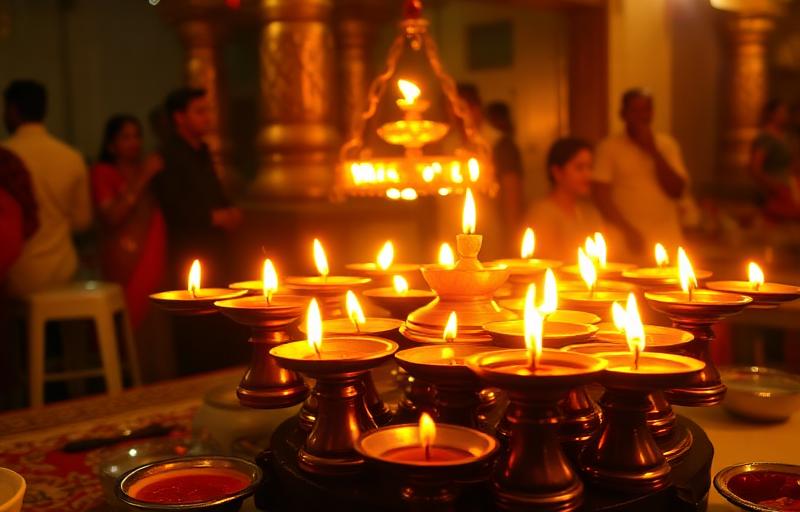
The heart of any jatara is the procession, in which the deity's image or symbol is carried through the village streets, allowing every household to receive her blessing without needing to travel to the temple itself. Music, drumming and dance typically accompany the procession, drawing residents out of their homes to watch or join in.
Afterward, a community feast, prepared and shared collectively, brings the celebration to its warm conclusion, prasad offered without regard to who can or cannot contribute.
Jataras That Draw Vast Crowds
While most jataras remain modest village affairs, a few have grown into gatherings of extraordinary scale, drawing devotees from far beyond the immediate region. The Medaram Jatara, honouring goddesses Sammakka and Saralamma and held once every two years, stands among the most well known of these, a testament to how deeply this tradition can bind together not just a village but an entire community of believers spread across state lines.
Whatever their size, these gatherings share the same devotional foundation as the smallest village jatara, gratitude, vows and collective celebration.
The Takeaway for Today's Devotee
The jatara tradition shows that devotion thrives when it is woven into the actual rhythm of a community's life, its harvests, its hardships, its homecomings, rather than kept separate from daily existence.
For devotees, it is a reminder that faith expressed together, in a shared procession and a shared meal, carries a warmth that solitary worship cannot always provide.
What People Ask Most
What is a jatara?+
A jatara is a periodic temple fair held in villages across Andhra Pradesh, typically once a year, centred on a local deity and drawing devotees from near and far.
What is mokkubadi?+
Mokkubadi refers to the fulfilment of vows made to the deity, often promised during a time of hardship in exchange for her help, and completed publicly during the jatara.
What is the largest jatara in the region?+
The Medaram Jatara, honouring goddesses Sammakka and Saralamma and held once every two years, is among the largest tribal religious gatherings in the country.
About the author
Pandit Mahesh Trivedi · Festival Traditions & Panchang
Pandit Mahesh leads the festival-date and Panchang content on Vandnaa. He cross-references multiple regional panchangs (Drik, Vaishnava, Bengali, Marathi) for every festival date published on the site.
Meet the Vandnaa editorial team →