What is Antyeshti? The Sacred Final Sanskar
Antyeshti (अन्त्येष्टि) is the 16th and final sanskar of the 16 Hindu life-cycle rituals. The Sanskrit word means 'final sacrifice' (Anta = end, Ishti = sacrifice/offering). It marks the soul's departure from the physical body and its transition to the next stage of journey - either to a higher plane, rebirth, or moksha. Unlike Western funeral traditions that focus on grief, Antyeshti is a SPIRITUAL process - a 13-day ritual that actively assists the departed soul's journey while helping the living family process the transition. The Vedic understanding: At death, the gross body (sthula sharira) is released, but the subtle body (sukshma sharira) continues. The 13-day rituals help: 1. Liberate the subtle body from earthly attachments. 2. Provide spiritual food (sustenance) to the departed during transition. 3. Connect the soul to the lineage of ancestors (Pitra Loka). 4. Clear the family of impurity (Sutak) caused by the death. Why cremation, not burial: Per Garuda Purana, cremation (Agni Sanskar) is the fastest way to release the soul. Earth burial keeps the body connected to ground for years; fire releases it in hours. Exceptions: infants under 2 years (buried because subtle body hasn't fully bonded), sanyasis (buried in samadhi posture as their soul is already free), and victims of certain diseases (per regional customs). The 16 sanskars from birth to death: Garbhadhana (conception) → Pumsavana (3rd month) → Simantonnayana (7th month) → Jatakarma (birth) → Namakaran (naming) → Niskramana (first outing) → Annaprashan (first food) → Chudakarana (mundan) → Karnavedha (ear piercing) → Upanayana (sacred thread) → Vedarambha (Vedic study) → Samavartana (graduation) → Vivaha (marriage) → Vanaprastha (retirement) → Sanyasa (renunciation) → Antyeshti (final). The 16 form the spiritual passport for the soul's journey.
Immediate Rituals (Day 0 - Day of Death)
Within first 2-4 hours after death: 1. Place the body facing south (Yama's direction). Head south, feet north. Light a ghee diya at the head's side. 2. Bath the body with sacred water - Ganga jal if available. If natural death, family members bathe; if hospital, hospital staff. 3. Apply tilak - sandalwood, kumkum (red), or bhasma depending on family tradition. 4. New clothes - white for males, red/yellow for married women, white for widows. NO black, no torn clothes. 5. Place tulsi leaves in mouth (for Vaishnavas) or rudraksha on forehead (for Shaivas). Carrying to crematorium (Shamshan Yatra): 6. Eldest son or eligible male of the family becomes the karta (chief mourner). He shaves his head (or takes a few hair off). 7. The body is placed on a bamboo bier (arthi) decorated with flowers. 8. Procession to crematorium - male family members carry, women stay home traditionally (modern practice often includes women). 9. Chant 'Ram Naam Satya Hai' continuously throughout the journey. At the crematorium: 10. Karta walks around the body 3 times holding a pot of water with a hole in the bottom (water drips, symbolizing life leaving). 11. Wood pyre prepared - usually mango wood or sandalwood. Pyre placed in specific direction (varies by region). 12. Priest performs Mukhagni (lighting the fire) - the eldest son or karta lights the pyre near the mouth using a torch ignited from the eternal flame OR matches blessed by priest. 13. Recitation of mantras from Garuda Purana, especially the death mantras: 'Om Tatsadyojatadi Manyabhavah' (asking forgiveness for any incomplete rituals). 14. Wait for pyre to fully burn - typically 3-4 hours. 15. 'Kapal Kriya' - at peak burning, the karta breaks the skull with a wooden stick - symbolically releasing the soul from the head's seventh chakra. 16. After cremation, family bathes (mandatory shuddhi). 17. Collect ashes (Asthi) the next day for Asthi Visarjan (immersion in flowing water - Ganga is supreme).
Day-by-Day 13-Day Rituals (Tehravin)
Day 1: Cremation day. After returning, family bathes. House is considered impure (Sutak). No cooking in the deceased's house traditionally - neighbors/relatives bring food. Day 2-3: Asthi Visarjan day. Karta + family travel to a holy river (Ganga, Yamuna, Godavari, or any flowing water). Ashes are immersed with prayers: 'O sacred river, accept these remains of our beloved [name] and carry them to liberation'. Day 4-9: Each day, the karta does daily Pind Daan - offering small balls of rice mixed with milk and sesame to the departed. These pind (rice balls) symbolically rebuild the subtle body. 10 pind total over 10 days (some traditions do 9). The pind is offered facing south to a crow (which represents the departed soul). If a crow eats it within 30 minutes, it's a sign the soul accepted it. Day 10: Dashami - Karta does Tarpan (water libation) for the departed. 'I, [karta's name], offer this water for the peace of [departed's name and gotra]'. Day 11: Ekadashi - Brahmin feeding. The departed soul is believed to be 'fed' through the Brahmin who eats the meal. 5-7 Brahmins are invited. Donate the deceased's clothes/possessions to them as gifts. Day 12: Dwadashi - Sapindikarana ritual. The departed soul is formally 'admitted' into the lineage of ancestors (Pitras). The pind for the deceased is merged with pinds for grandparents and great-grandparents - symbolic of joining the ancestral line. Day 13: Tehravin - final day. Bhandara (community feast). 25-100+ guests invited. The family donates clothes, food, money, and the deceased's items to deserving persons. From this day, the family is considered 'pure' again. Mourning officially ends. The Sutak (impurity period) is over. Note: Some regional variations exist (Punjab does 'Antim Ardas' on 13th, Maharashtra does '13 Brahmin' feast, South India has 'Karmandi'). The core 13-day structure is universal.
Post-13-Day Rituals & Annual Death Anniversary
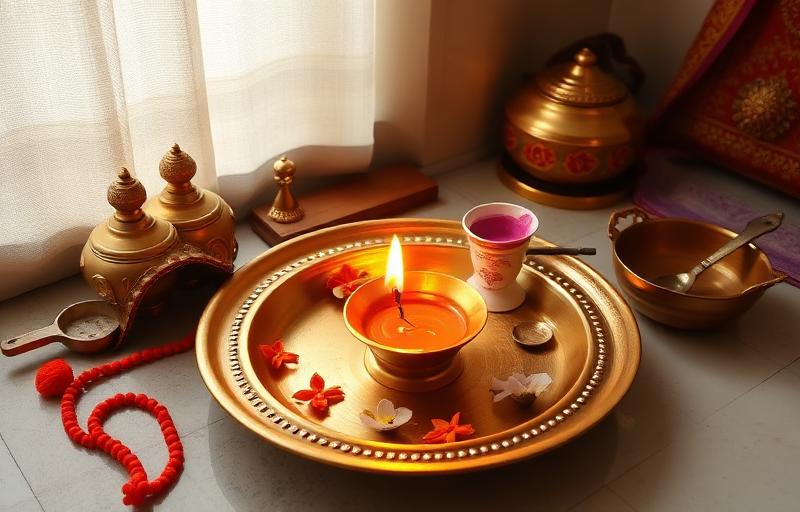
Days 14-365 (first year): 1. Monthly tithi tarpan - on the same tithi as the death day each month, do tarpan + Brahmin feeding. 12 monthly tithis = 12 mini-rituals. 2. Pitru Paksha (September) - the 15-day annual ancestor period. Detailed tarpan + Pind Daan at home or pilgrimage to Gaya (the supreme Pind Daan location). 3. Avoid major celebrations - no weddings, no Janmashtami/Diwali celebration in the home for the first year (mourning year). 4. The first Pournima after death - extra significant for offering moon-related items (silver, white sweets). Annual death anniversary (Shradh / Shradh Karma): From the second year onward, perform Shradh annually on the death tithi (NOT calendar date - use Hindu tithi). Vidhi: 1. Brahmin invited to house. 2. He represents the departed soul. 3. Cooked meal offered - the departed's favorite foods if known. 4. Pind Daan with sesame seeds and water. 5. Brahmin given dakshina (Rs.501-5001 depending on family means) + clothes. 6. Family does NOT eat until Brahmin and 'guests' (crow, cow, dog) are fed. 7. Take blessings of the departed soul. Pitru Paksha (15-day annual period): From Bhadrapada Purnima to Ashwin Amavasya (mid-September to mid-October). Considered the most powerful 15 days to perform shradh for ALL ancestors. Daily tarpan + Brahmin feeding accumulates 1000x merit. The 14th day (Sarvapitru Amavasya) is the supreme day - even unknown ancestors can be honored. Gaya Pind Daan (the ultimate): If financially possible, perform Pind Daan at Vishnupad Temple in Gaya (Bihar) at least ONCE for major ancestors. This is considered the 'final liberation' offering - accepting which, the ancestor's soul is permanently elevated from Pitra Loka to higher realms.
What People Ask Most
Who can perform Antyeshti as karta if there's no son?+
Priority order: 1. Eldest son. 2. Other sons. 3. Grandsons (son's son). 4. Daughter's son. 5. Husband (for wife) or wife (for husband). 6. Brother. 7. Nephew. 8. Adopted son. 9. Daughter (modern progressive view increasingly accepts this). 10. Any male relative on father's side. In emergency, even a Brahmin priest can act as the karta if no family member is eligible. Some traditions strictly require male karta; others (Arya Samaj, modern reformers) allow daughters and any sincere relative.
How much does the 13-day ritual cost?+
Wide range: 1. Modest (5-7 Brahmins fed, simple ceremony, no major donations): Rs.25,000-50,000. 2. Moderate (Tehravin feast for 50, clothes donations, decent dakshina): Rs.1,00,000-3,00,000. 3. Traditional grand (100+ guests, multiple priests, major donations including gold/silver, Gaya pilgrimage included): Rs.5,00,000-15,00,000. The 13-day ritual is a one-time SIGNIFICANT expense - families budget for it. Don't go into massive debt; do what you can afford with sincere devotion. The deceased's soul values bhava (love) more than budget.
What if the death happens far from home (abroad, different city)?+
1. If abroad: Most countries allow Hindu cremation. Coordinate with local Hindu temple (most major cities have one). Ashes are then transported back to India for visarjan in Ganga (or other sacred river). The 13-day ritual can be done at home in India simultaneously. 2. If different city in India: Body can be transported home (within 24-48 hours) OR cremated at the location with priests, and ashes brought home for visarjan. The 13-day ritual is performed at the family's main home regardless of cremation location. Karta should be present at cremation if possible; can join family home rituals on day 4+.
Can pregnant women, menstruating women, or young children attend?+
Traditional rules: pregnant women and menstruating women should NOT attend the cremation (the energetic field is considered harmful to them). Young children under 12 are also discouraged. Modern flexible view: attendance is personal choice, but practically - pregnant women's stress hormones affect baby, so it's a health-based recommendation. They can perform mental prayers and join post-13-day rituals. Children attending should be prepared emotionally and stay close to a trusted adult.
About the author
Anjali Mehta · Editor, M.A. Religious Studies
Anjali is the managing editor for Vandnaa and oversees the festival and vrat coverage. She holds an M.A. in Religious Studies and reviews every published article for accuracy, accessibility, and tradition-fidelity.
Meet the Vandnaa editorial team →Explore on Vandnaa
Related Articles
16 Sanskars: Hindu Rituals from Birth to Death Explained
11 min read
Pitra Dosha - 7 Symptoms, Real Causes & Powerful Remedies (Complete Guide)
11 min read
Govinda Damodara Stotram - Lyrics, Meaning & 7 Benefits of Krishna's Death-Mantra
9 min read
Bhagavad Gita on Death, Afterlife & Rebirth
9 min read

Mundan Ceremony - Vidhi, Best Age, Mantras & Spiritual Significance of Baby's First Haircut
10 min read
Kuldevta / Kuldevi - How to Find Your Family Deity, Why It Matters & Worship Vidhi
10 min read