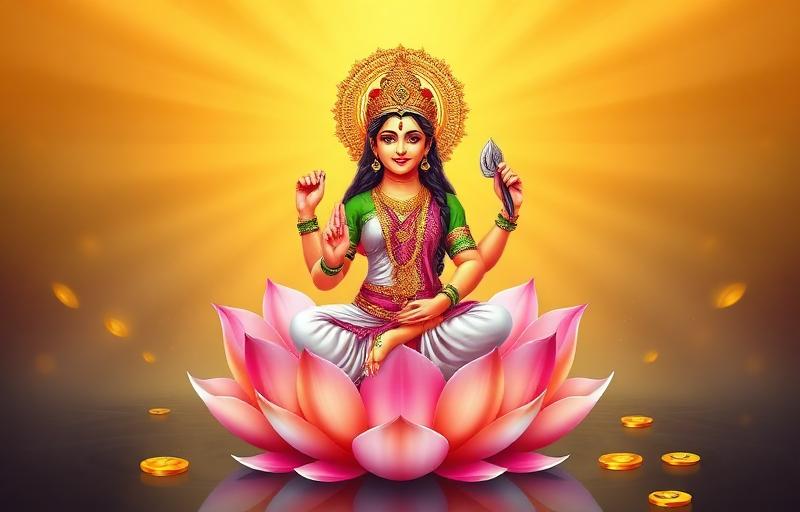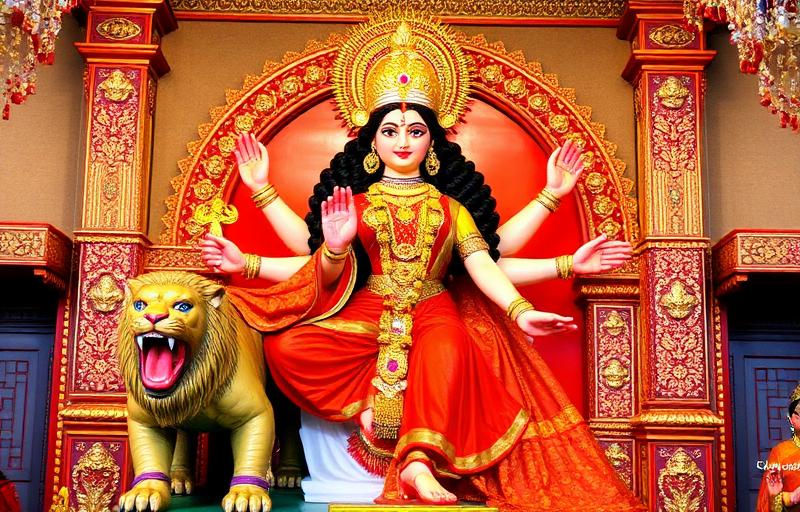
What Is Argala Stotram
Argala Stotram is one of the shorter hymns recited alongside the Durga Saptashati, also known as Devi Mahatmya, the central scripture of Goddess worship in the Shakta tradition. The word 'argala' means a bolt or bar that secures a door, and this hymn is a prayer asking the Divine Mother to draw back that bolt so her grace can flow freely to the devotee.
Traditionally chanted before the main text of the Saptashati is read, Argala Stotram consists of a series of short verses, each ending with a request for a specific blessing, such as victory, fame, wealth, courage, good health or freedom from fear. It is considered one of the essential 'anga' or limb texts that prepare the mind before approaching the Goddess through her seven hundred verses.
Its Place in the Durga Saptashati Tradition
Devotees consider Argala Stotram, along with the Devi Kavach and Kilak Stotram, to be companion texts traditionally recited before the seven hundred verses of the Saptashati. Together these hymns are understood to prepare the devotee, purify the mind and remove obstacles so that the deeper reading of the Devi Mahatmya can bear fruit.
According to tradition, sage Markandeya, to whom the Devi Mahatmya is attributed, is also associated with these accompanying prayers, though what matters most to devotees is not their exact origin but the sincerity with which they are recited before approaching the Goddess.
Meaning and Significance
Each verse of Argala Stotram addresses the Goddess with a beautiful name, praises an aspect of her form or power, and then repeats a refrain asking her to grant the devotee beauty, victory, fame, and to destroy his or her adversities. This refrain captures the heart of the hymn: an honest, direct request for the Goddess's protection and grace in ordinary life.
The hymn moves from external blessings like wealth and victory to inner qualities like courage and steadiness of mind, showing devotees that true blessings touch both outer circumstances and inner strength.
How It Is Recited
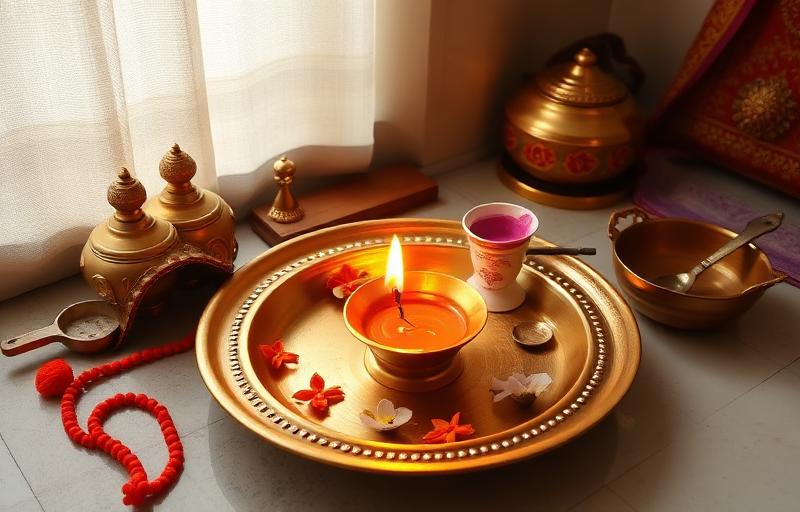
Argala Stotram is traditionally recited after the Devi Kavach and before the Kilak Stotram, just before beginning the main chapters of Durga Saptashati, especially during Navratri. Devotees sit facing an image of the Goddess, often with a lit diya, and recite the verses with folded hands, keeping the mind focused on the meaning of each request.
- It is usually chanted in a steady, unhurried rhythm
- Some devotees recite it daily as a short prayer even without doing the full Saptashati path
- It is considered auspicious to recite it at the start of any important undertaking
Benefits As Per Tradition
As per tradition, reciting Argala Stotram with faith before any important effort, whether an exam, a new venture, a journey or a difficult period in life, is believed to invite the Goddess's protection and remove hurdles. Devotees believe it particularly helps in building courage and clarity when facing uncertainty.
- Devotees believe it invites victory and success in righteous endeavours
- It is said to strengthen resolve and reduce fear
- Many recite it specifically during Navratri to seek the Goddess's blessings for the year ahead
A Daily Takeaway
Argala Stotram reminds devotees that it is natural and right to ask the Divine Mother for her grace, as long as the asking comes from a sincere heart. The image of a bolted door being opened by devotion is a gentle metaphor for how faith can open pathways that seemed closed.
Reciting even a few verses of this hymn before a challenging day can become a small daily ritual of courage, a reminder that worship is an act of faith and love, not a transaction.
Common Questions From Devotees
When is Argala Stotram recited?+
It is traditionally recited before the main chapters of Durga Saptashati, especially during Navratri, though devotees may also recite it independently as a short daily prayer.
What does the word 'argala' mean?+
Argala means a bolt or bar used to secure a door. The hymn is a prayer asking the Goddess to unbolt the door to her blessings.
Can Argala Stotram be recited on its own?+
Yes, many devotees recite it independently, especially before starting something important, even without performing the complete Durga Saptashati path.
About the author
Acharya Vinaya Kapoor · M.A. Sanskrit, Mantra & Stotra Studies
Acharya Vinaya holds an M.A. in Sanskrit from Banaras Hindu University and writes the mantra and stotra commentary on Vandnaa. Her focus is on accurate pronunciation, traditional context, and helping modern readers connect with classical texts.
Meet the Vandnaa editorial team →