What is Ashta Lakshmi?
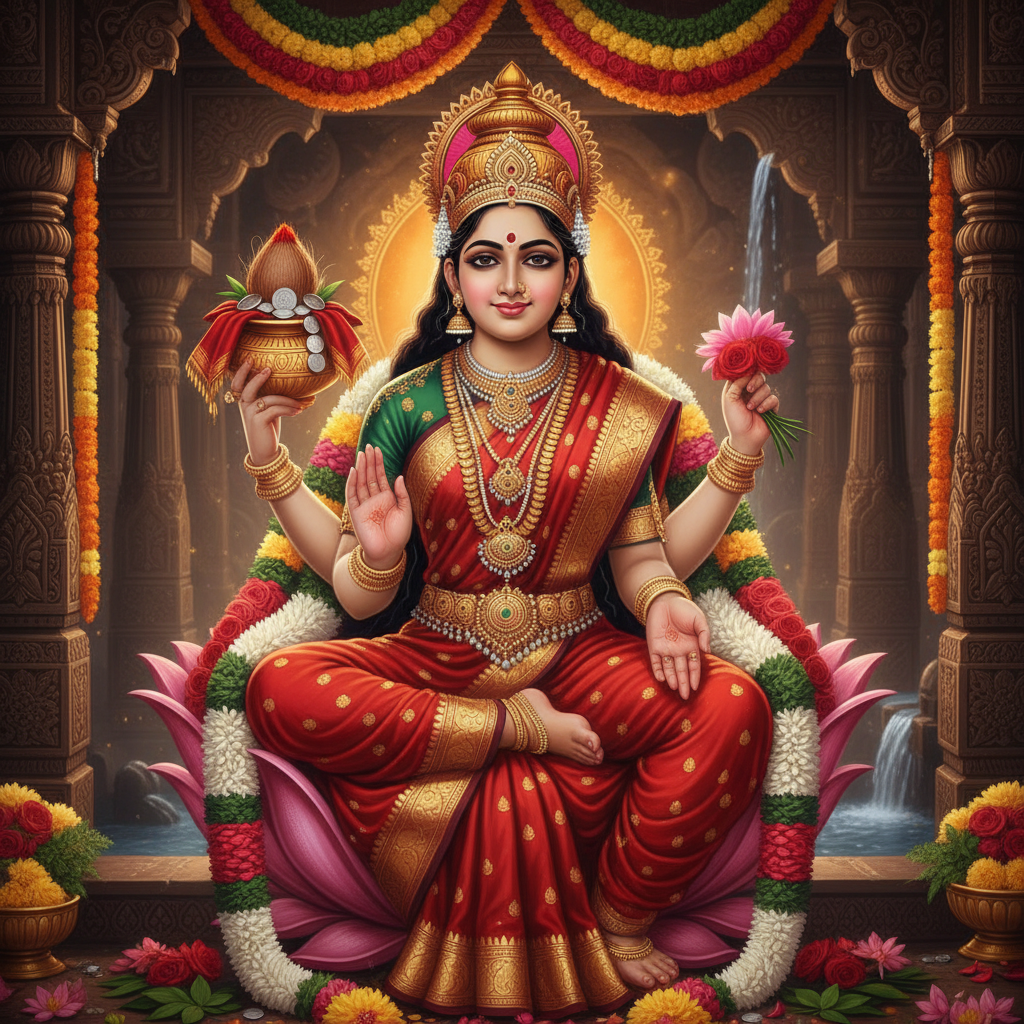
In Hindu devotional tradition, Ashta Lakshmi refers to eight forms of Goddess Lakshmi, the divine consort of Lord Vishnu and the mother goddess of prosperity. Each of the eight forms represents a different kind of wealth or blessing - not only money, but grain, courage, children, victory, knowledge and royal glory.
The idea behind Ashta Lakshmi is simple and deeply devotional: true abundance in life is not one thing. A family needs food on the table, health and courage to face hardship, wisdom to make good choices, and the joy of children and success. Devotees believe that worshipping the goddess in her eight forms together is a way of asking for a full, balanced life rather than wealth alone.
Origin and Scriptural Tradition
The worship of Ashta Lakshmi is closely tied to the Ashtalakshmi Stotram, a devotional hymn of eight verses recited widely across India, especially in South Indian temples. According to tradition, Goddess Lakshmi is not a single static form but manifests according to the needs of her devotees and the balance the universe requires at a given time.
This idea is rooted in the larger Puranic understanding of Devi as Shakti, the one divine energy that takes many forms - just as Durga is worshipped as Navadurga in nine forms during Navratri, Lakshmi is honoured as Ashta Lakshmi in eight forms. The most well known Ashta Lakshmi shrine is the Ashtalakshmi Temple on the Chennai coastline, where each of the eight goddesses has her own shrine within one temple complex.
The Eight Forms and What Each Represents
Each form of Ashta Lakshmi carries its own name and blessing:
- Adi Lakshmi - the original, primordial form of the mother goddess
- Dhana Lakshmi - wealth and material prosperity
- Dhanya Lakshmi - grain and agricultural abundance
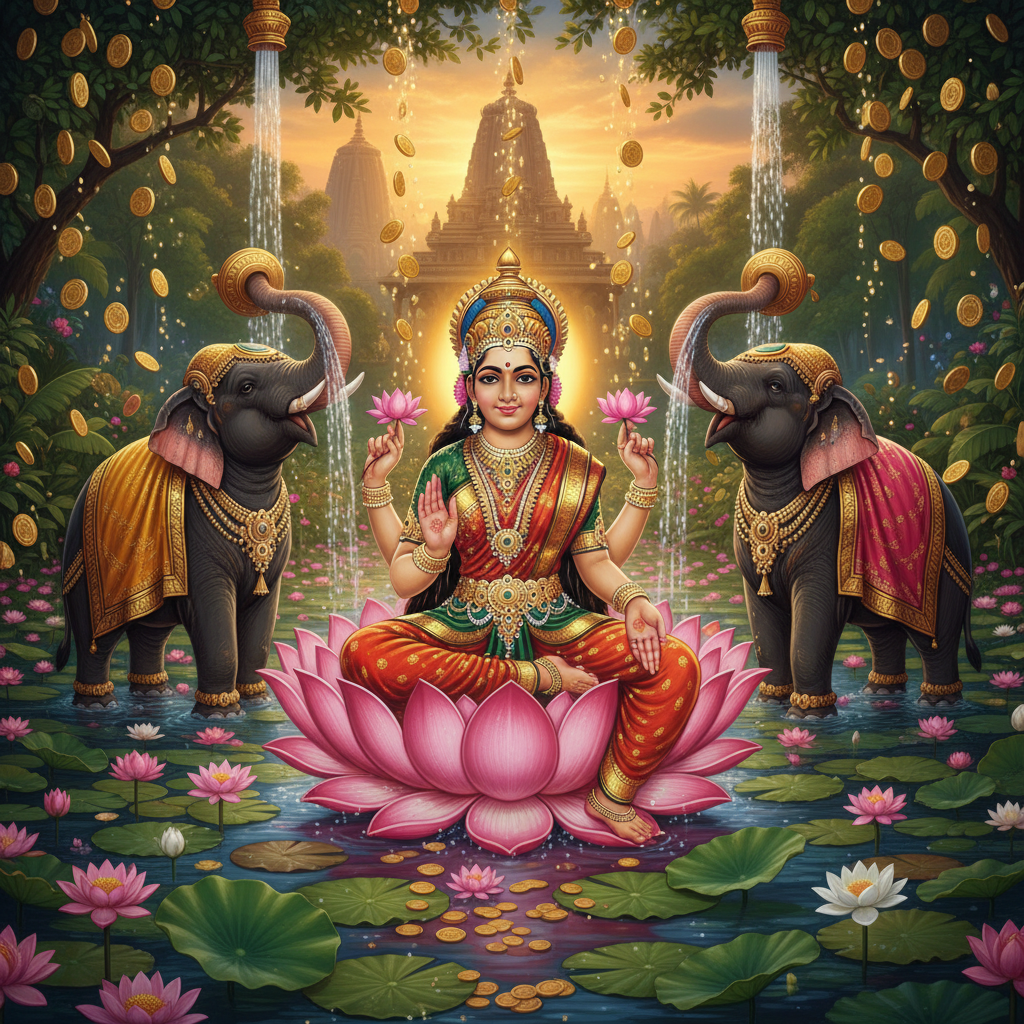
- Gaja Lakshmi - royal glory, power and fortune, shown flanked by elephants
- Santana Lakshmi - the blessing of children and family
- Dhairya Lakshmi (Veera Lakshmi) - courage and inner strength
- Vijaya Lakshmi - victory and success in effort
- Vidya Lakshmi - knowledge, learning and wisdom
Together, these eight forms cover nearly every hope a devotee brings before the goddess - from the food in the kitchen to the courage to begin again after failure.
How Devotees Worship Ashta Lakshmi
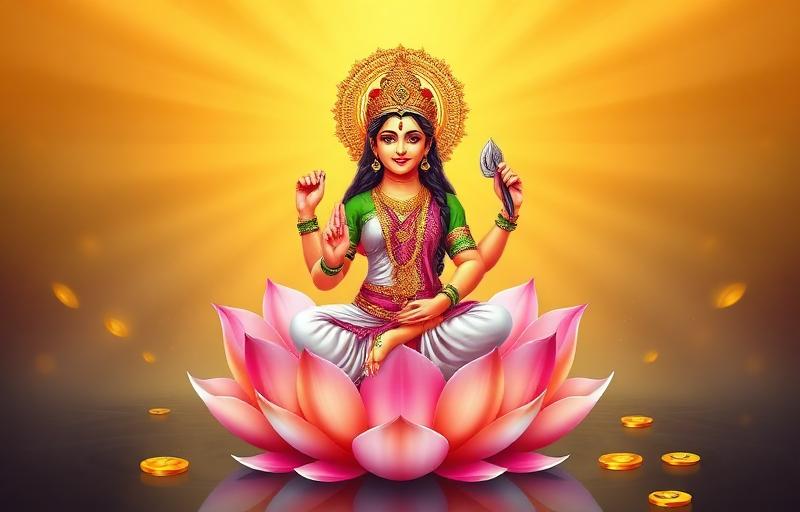
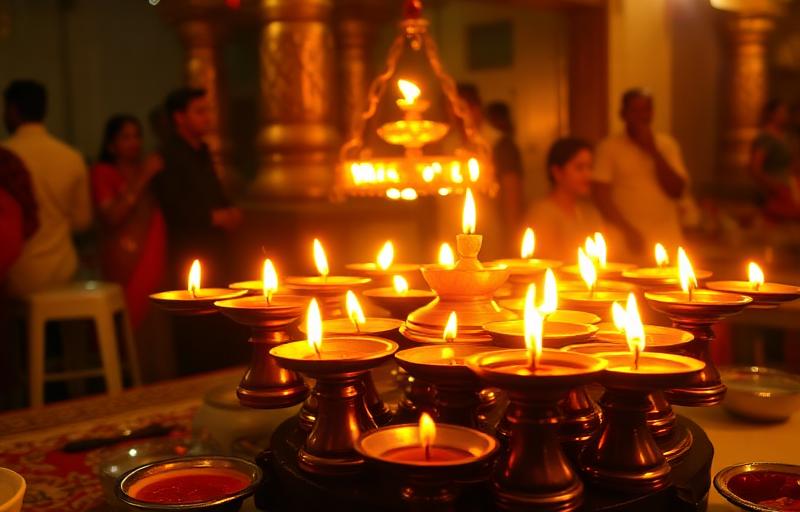
Friday is traditionally considered dear to Goddess Lakshmi, and many devotees choose this day to worship her eight forms together. A simple home puja involves lighting a diya, offering fresh flowers (especially lotus), kumkum and a sweet offering, while reciting the Ashtalakshmi Stotram or chanting Om Shreem Mahalakshmyai Namaha.
In temples dedicated to Ashta Lakshmi, devotees walk from shrine to shrine, pausing before each form to offer a prayer suited to that blessing - grain and provisions before Dhanya Lakshmi, courage before Dhairya Lakshmi, and so on. Many also keep a small image or print of the eight goddesses together in their home altar as a daily reminder of complete abundance.
Significance in Everyday Devotion
The lasting message of Ashta Lakshmi is that wealth, in its truest sense, is holistic. A devotee who prays only for money but neglects health, courage or family is missing the larger blessing the goddess offers. By honouring all eight forms, worshippers are reminded to seek balance - to be grateful for grain as much as gold, for courage as much as comfort.
As with all worship of the Divine Mother, devotees are encouraged to approach Ashta Lakshmi with sincerity and gratitude rather than as a transaction. Worship is an act of faith and love, and the eight forms together simply remind the devotee that the goddess's grace touches every corner of life.
Reader Questions Answered
How many forms does Ashta Lakshmi have and what are their names?+
Ashta Lakshmi has eight forms: Adi Lakshmi, Dhana Lakshmi, Dhanya Lakshmi, Gaja Lakshmi, Santana Lakshmi, Dhairya (Veera) Lakshmi, Vijaya Lakshmi and Vidya Lakshmi. Each represents a different kind of blessing, from wealth and grain to courage, victory and knowledge.
Which day is considered best for worshipping Ashta Lakshmi?+
Friday is traditionally considered dear to Goddess Lakshmi and is widely chosen for worshipping her in all eight forms. Devotees also observe special worship during Navratri and Diwali, when Lakshmi puja is especially significant.
Is there a specific temple dedicated to Ashta Lakshmi?+
Yes, the well known Ashtalakshmi Temple is located on the Chennai coastline in Tamil Nadu, where each of the eight forms has its own shrine within a single temple complex. Devotees visit to offer prayers to all eight aspects of the goddess in one place.
About the author
Pandit Mahesh Trivedi · Festival Traditions & Panchang
Pandit Mahesh leads the festival-date and Panchang content on Vandnaa. He cross-references multiple regional panchangs (Drik, Vaishnava, Bengali, Marathi) for every festival date published on the site.
Meet the Vandnaa editorial team →