The Famous Line in the Hanuman Chalisa
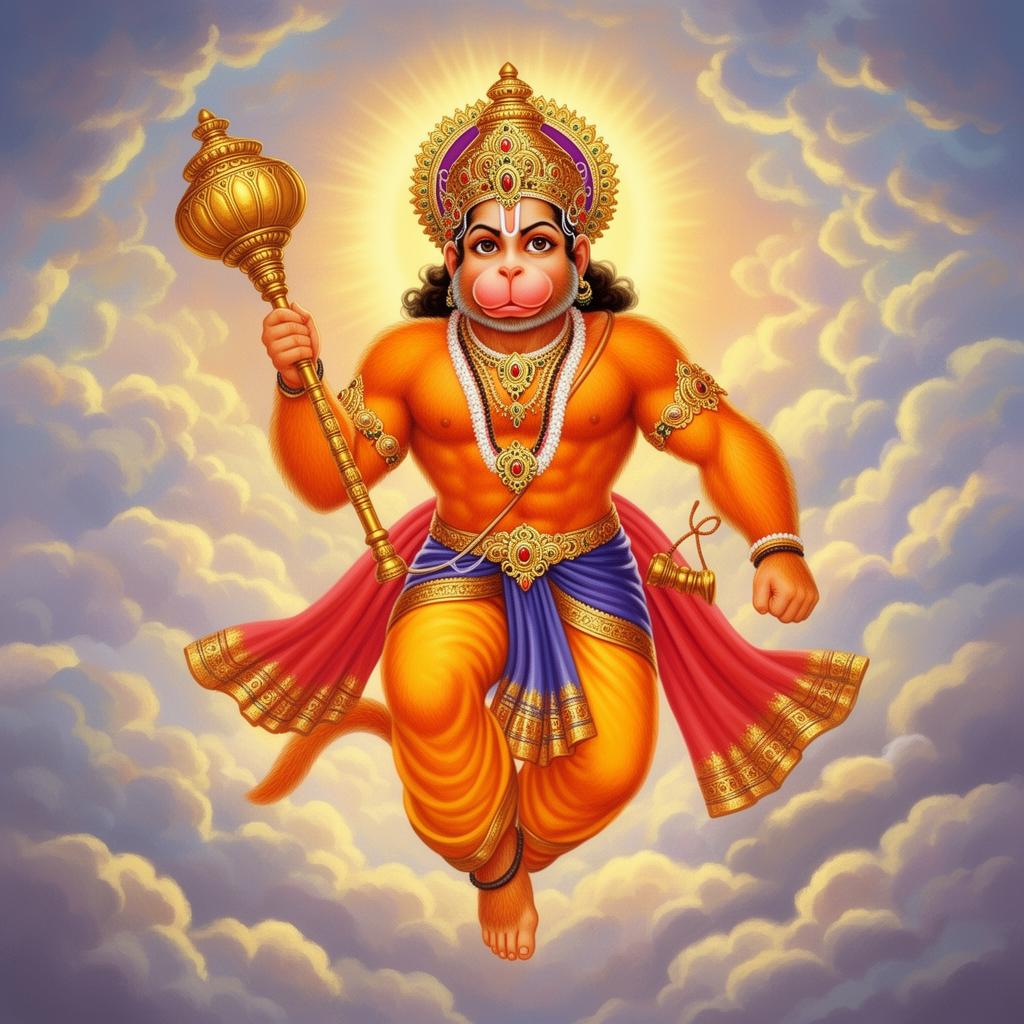
One of the most loved lines of the Hanuman Chalisa is 'Ashta siddhi nau nidhi ke data, As bar deen Janaki Mata' - meaning that Mother Janaki (Sita) blessed Hanuman with the power to bestow the eight siddhis and nine nidhis.
In other words, Hanuman is so dear to the Lord that he can grant these mystic powers and divine treasures to his devotees. But the true teaching is subtle: a real devotee does not chase these powers - they come unsought to one whose heart is fixed on God, and the greatest treasure of all is devotion itself.
The Ashta Siddhi - Eight Powers
The eight classical siddhis (mystic powers) are:
- Anima (अणिमा): the power to become as small as an atom.
- Mahima (महिमा): the power to grow infinitely large.
- Garima (गरिमा): the power to become immensely heavy.
- Laghima (लघिमा): the power to become weightless and light.
- Prapti (प्राप्ति): the power to reach or obtain anything anywhere.
- Prakamya (प्राकाम्य): the power to fulfil any wish or desire.
- Ishitva (ईशित्व): lordship and mastery over creation.
- Vashitva (वशित्व): the power to control or bring all under one's influence.
In the Ramayana, Hanuman shows several of these - shrinking to enter Lanka, growing huge to cross the ocean - yet he uses them only in the Lord's service, never for himself.
The Nav Nidhi - Nine Treasures
The Nav Nidhi are nine divine treasures, traditionally the treasures of Kubera, the lord of wealth:
- Padma (पद्म)
- Mahapadma (महापद्म)
- Neela (नील)
- Mukunda (मुकुंद)
- Nanda (नंद)
- Makara (मकर)
- Kachchhapa (कच्छप)
- Shankha (शंख)
- Kharva (खर्व)
These nine nidhis represent every form of abundance and prosperity. To say Hanuman can grant the nine nidhis is to say that, by his grace, no true devotee ever lacks what is genuinely needed - though the wise seek the wealth of devotion above worldly riches.
The Deeper Devotional Lesson
Why does the Hanuman Chalisa mention these powers and treasures? Not to tempt us into seeking them, but to show how supremely blessed Hanuman is - so beloved of Sita-Ram that even the highest siddhis and nidhis are his to give.
The true devotee turns this around. Hanuman himself owned every power, yet wanted only to serve Rama and keep his name in his heart. The real Ashta Siddhi and Nav Nidhi for a bhakta is unbroken devotion, humility and the Lord's grace. When we sing this line, we are not asking for magic powers; we are praising Hanuman and asking for his greatest gift - a heart that loves God like he does.
Frequently Asked Questions
What is the meaning of Ashta Siddhi Nav Nidhi?+
Ashta Siddhi means the eight mystic powers (like Anima and Mahima) and Nav Nidhi means the nine divine treasures of abundance. The Hanuman Chalisa says Hanuman, blessed by Mother Sita, can grant these to his devotees.
What are the eight siddhis?+
The eight siddhis are Anima (becoming tiny), Mahima (becoming huge), Garima (becoming heavy), Laghima (becoming light), Prapti (reaching anything), Prakamya (fulfilling wishes), Ishitva (lordship over creation) and Vashitva (control over all).
Which line of the Hanuman Chalisa mentions them?+
The line is 'Ashta siddhi nau nidhi ke data, As bar deen Janaki Mata', meaning Mother Janaki (Sita) gave Hanuman the boon of bestowing the eight siddhis and nine nidhis on devotees.
Should devotees seek these powers?+
Tradition teaches that a true devotee does not chase siddhis or worldly treasures. Hanuman himself owned them all yet wanted only to serve Rama. The greatest treasure for a bhakta is unbroken devotion and the Lord's grace.
About the author
Acharya Vinaya Kapoor · M.A. Sanskrit, Mantra & Stotra Studies
Acharya Vinaya holds an M.A. in Sanskrit from Banaras Hindu University and writes the mantra and stotra commentary on Vandnaa. Her focus is on accurate pronunciation, traditional context, and helping modern readers connect with classical texts.
Meet the Vandnaa editorial team →