What is the Ashtalakshmi Stotram?
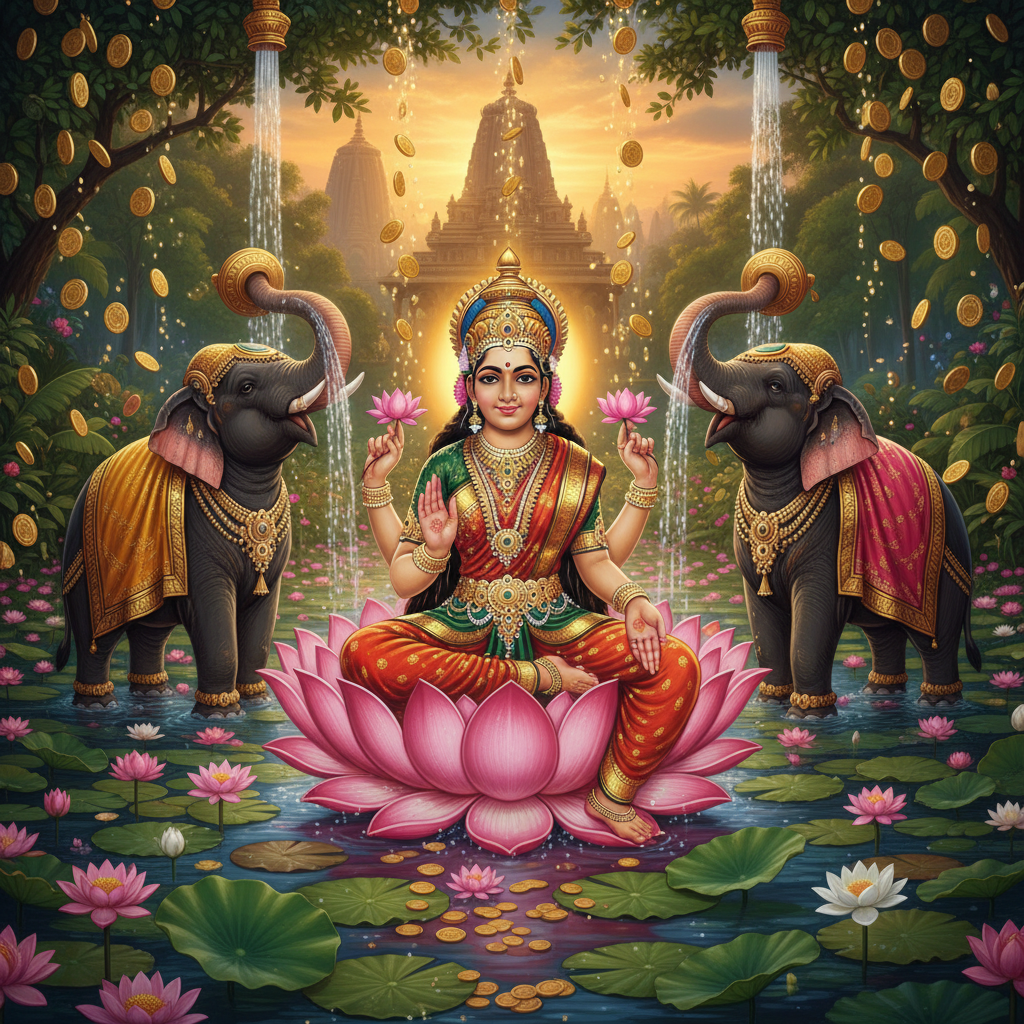
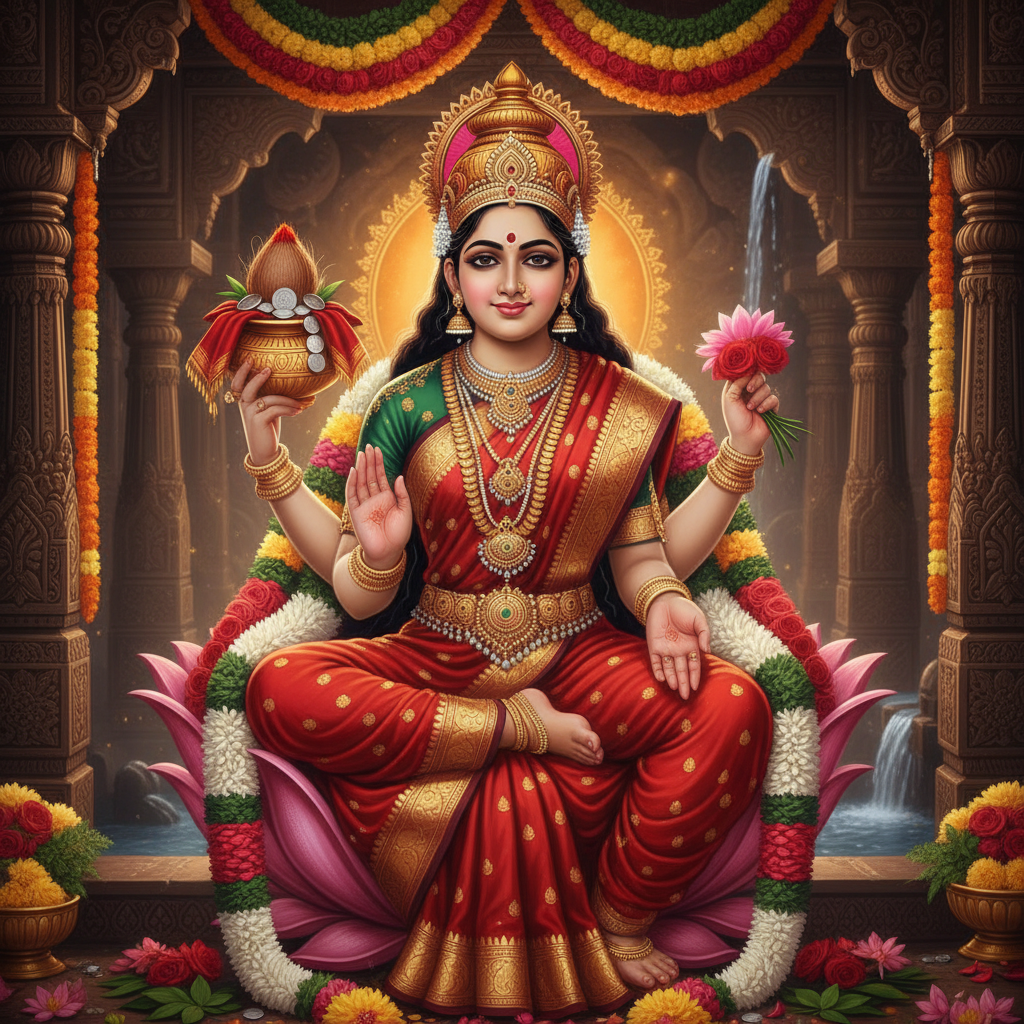
The Ashtalakshmi Stotram is a devotional hymn of eight verses, each dedicated to one of the eight forms of Goddess Lakshmi - Adi, Dhana, Dhanya, Gaja, Santana, Dhairya (Veera), Vijaya and Vidya Lakshmi. It is among the most widely recited Lakshmi stotrams in Hindu devotional practice, especially popular in South Indian temples and homes.
Unlike a single prayer asking for one blessing, the stotram is structured so that devotees address each form of the goddess in turn, seeking her specific grace before moving to the next verse. This structure itself reflects the Ashta Lakshmi philosophy - that true abundance requires many kinds of blessings, not just one.
Structure and the Closing Refrain
Each of the eight verses follows a similar pattern - praising the specific qualities and symbols of that form of Lakshmi, and closing with a refrain widely recognised across renditions of the stotram: sada palaya maam, meaning 'always protect me'. This repeated plea ties the eight verses together into one continuous prayer for protection and grace across every area of life.
The verses move through the forms in a traditional sequence, beginning with Adi Lakshmi as the primordial source and closing with forms tied to knowledge and victory, giving devotees a sense of moving from the origin of grace toward its fullest expression in daily life.
Meaning and Devotional Significance
The deeper meaning of the Ashtalakshmi Stotram lies in its refusal to reduce the goddess, or wealth itself, to a single idea. By praising eight distinct forms, the hymn teaches that a devotee's needs are varied - one day it may be courage that is needed, another day knowledge, another day simply a good harvest - and the goddess meets each need in her own form.
Reciting the stotram is also considered an act of surrender, acknowledging that all these blessings ultimately come from divine grace rather than human effort alone, while still honouring the importance of sincere work.
How Devotees Recite the Stotram
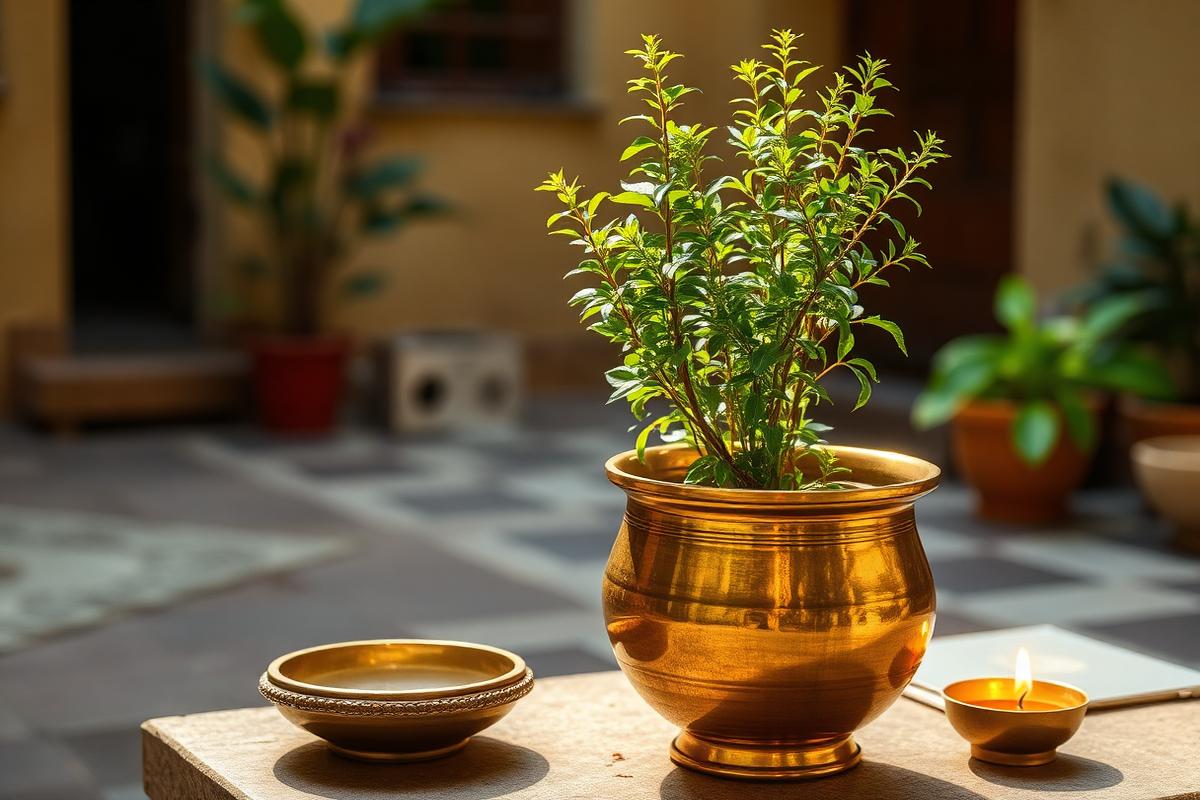
Devotees typically recite the Ashtalakshmi Stotram in the morning after bathing, or on Fridays which are dear to Goddess Lakshmi, standing or sitting before a lamp and an image of the goddess. Some recite all eight verses in one sitting, while others focus on the verse of the specific form whose blessing they seek that day.
It is commonly recited during Navratri, Diwali and Varalakshmi Vratam, as well as in daily worship by families who keep a devoted Lakshmi puja routine at home.
Benefits as per Tradition and a Daily Takeaway
As per tradition, devotees believe that reciting the Ashtalakshmi Stotram with sincerity invites balanced abundance into life - not just money, but health, courage, family harmony, knowledge and success woven together. It is considered a way of asking the goddess to watch over every dimension of one's life, not only the financial one.
The lasting takeaway of the stotram is its reminder that a meaningful life is built from many small forms of grace, not one grand blessing alone. As with all worship of the Divine Mother, reciting it is an act of faith and love, not a transaction, and its true benefit lies in the devotion and gratitude it cultivates.
Common Questions From Devotees
What is the Ashtalakshmi Stotram?+
The Ashtalakshmi Stotram is a devotional hymn of eight verses, each dedicated to one of the eight forms of Goddess Lakshmi, widely recited across Hindu tradition, especially in South India, to seek her complete and balanced blessing.
What does the closing refrain of the stotram mean?+
Each verse of the Ashtalakshmi Stotram traditionally closes with the refrain sada palaya maam, meaning 'always protect me'. This ties the eight verses together as one continuous prayer for the goddess's protection and grace.
When do devotees recite the Ashtalakshmi Stotram?+
Devotees commonly recite the Ashtalakshmi Stotram in the morning, on Fridays, and during festivals like Navratri, Diwali and Varalakshmi Vratam, either reciting all eight verses or focusing on the verse of the specific form whose blessing they seek.
About the author
Acharya Vinaya Kapoor · M.A. Sanskrit, Mantra & Stotra Studies
Acharya Vinaya holds an M.A. in Sanskrit from Banaras Hindu University and writes the mantra and stotra commentary on Vandnaa. Her focus is on accurate pronunciation, traditional context, and helping modern readers connect with classical texts.
Meet the Vandnaa editorial team →