The Rare Reclining Form of Hanuman
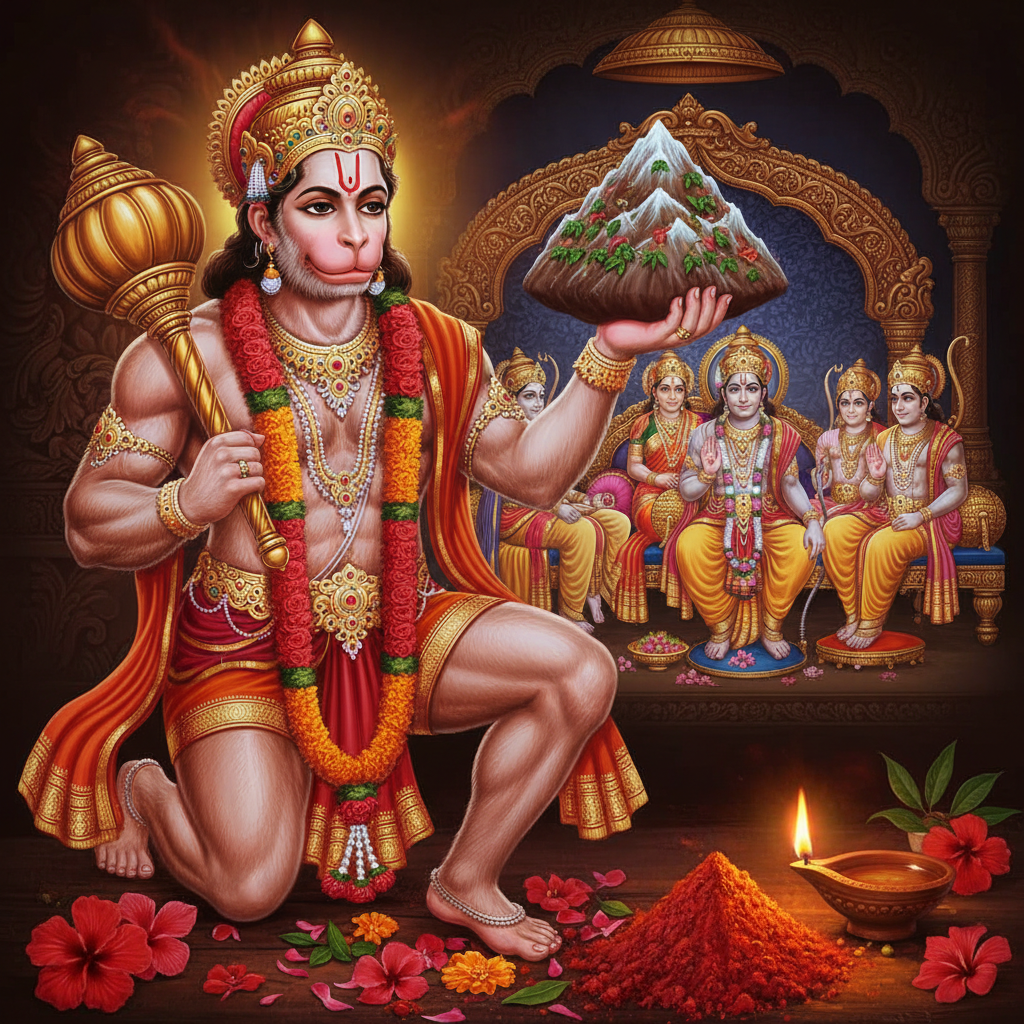
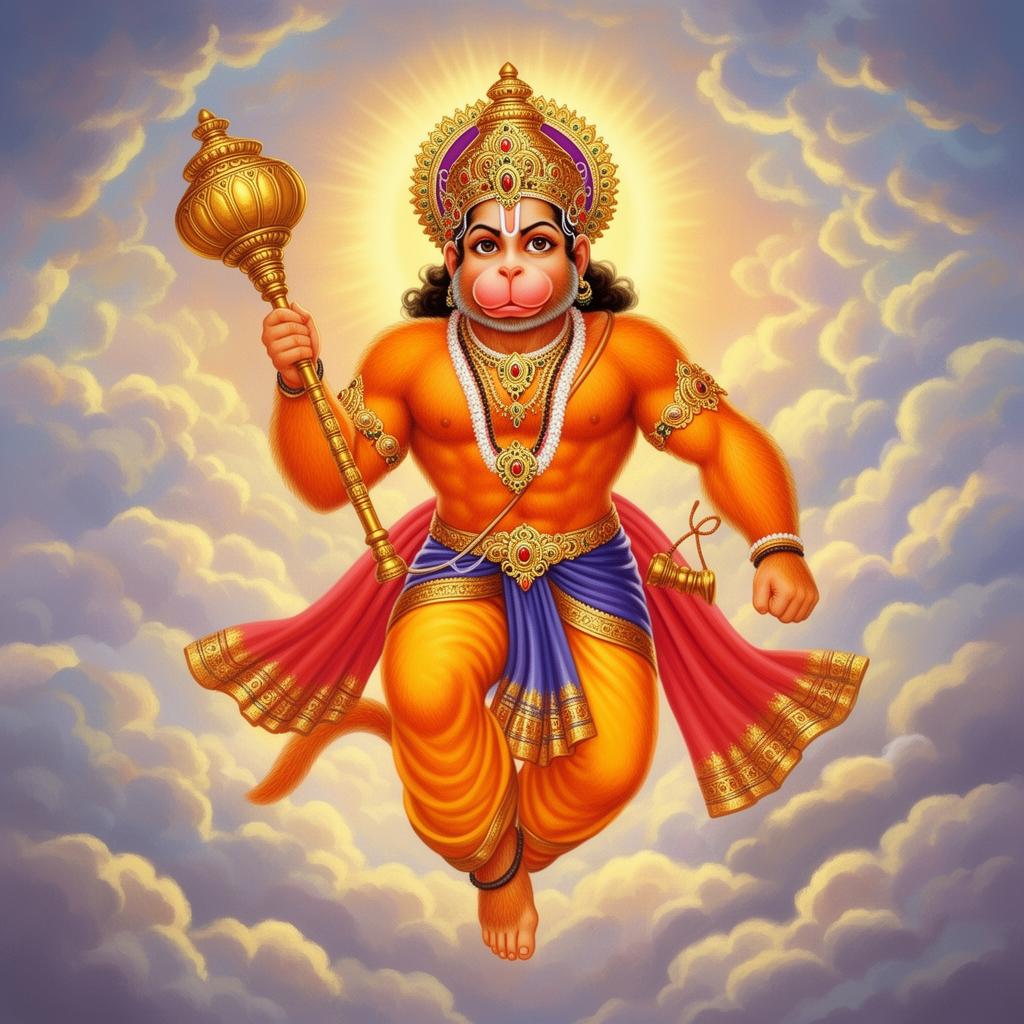
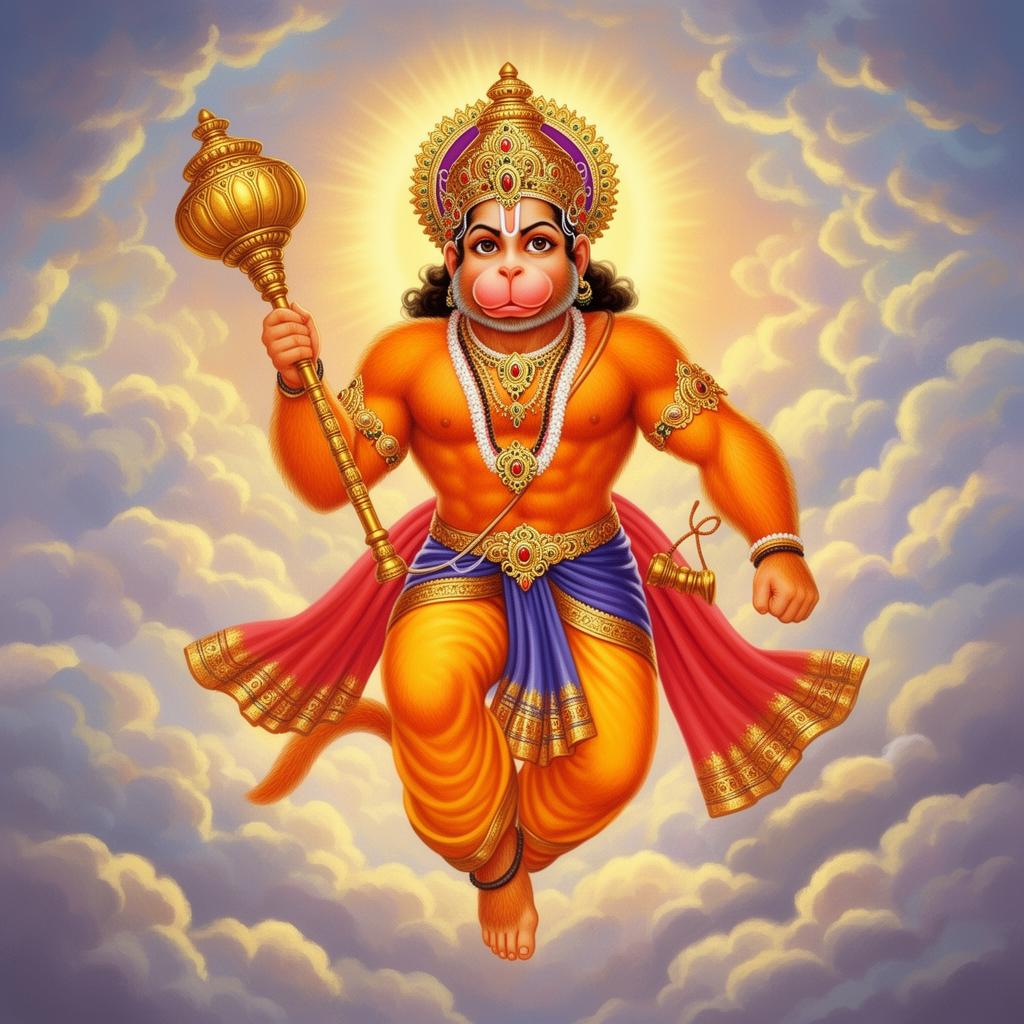
Bade Hanuman Mandir, located close to the Sangam in Prayagraj where the Ganga, Yamuna and the mythical Saraswati are believed to meet, is home to one of the very few idols of Hanuman shown in a reclining posture rather than standing or seated. This unusual depiction has made the temple one of the most distinctive Hanuman shrines in North India.
The temple is also known locally as Lete Hanuman Ji, and its low-lying sanctum, situated partly below ground level, adds to the unique character of the darshan experience here.
Legend Behind the Reclining Idol
Local tradition offers a gentle katha for the reclining form, telling of Hanuman lying down exhausted after his return from Lanka, having accomplished his mission, choosing to rest at this sacred confluence before continuing his journey. Devotees see this as a moment of humility and repose even for one of the mightiest devotees of Rama.
Another belief holds that the river Ganga herself rises each year during the monsoon to touch the feet of the reclining idol, a natural occurrence at the low-lying temple that devotees regard as the river's own act of reverence.
Significance and Devotee Traditions
As per tradition, no pilgrimage to the Sangam is considered complete without first seeking the blessings of Bade Hanuman Ji, and many devotees visit this temple before taking a holy dip at the confluence. This custom is especially strong during the Kumbh and Magh Mela periods, when the temple sees an enormous stream of devotees.
- Devotees traditionally visit before bathing at the Sangam
- The temple is closely tied to Kumbh and Magh Mela pilgrimage customs
- Many offer sindoor, flowers and chola to the reclining idol
- The annual rise of the Ganga to the idol's feet is viewed as deeply auspicious
Darshan Timings and Best Time to Visit
The temple observes daily darshan hours from early morning to late evening, with a brief midday closure typical of many North Indian temples. Tuesdays and Saturdays draw a larger number of devotees, in keeping with traditional Hanuman worship days.
The Magh Mela season and the periodic Kumbh Mela are considered especially significant times to visit, when the temple becomes a focal point for millions of pilgrims gathered at the Sangam.
How to Reach Bade Hanuman Mandir
The temple is located right at the Sangam area in Prayagraj, easily reached by road from anywhere in the city. Prayagraj Junction is the main railway station, well connected to all major Indian cities, and the city also has its own airport with regular domestic flights.
Local transport such as auto-rickshaws and taxis readily ply the route to the Sangam and the temple, especially during festival seasons.
Mantra and the Takeaway
Pilgrims at Bade Hanuman Mandir often chant Om Hanumate Namah and recite the Hanuman Chalisa before proceeding to the Sangam, seeking his blessing for a safe and spiritually fruitful pilgrimage. The line Jai Jai Jai Hanuman Gosain is commonly sung by devotees gathered here.
The reclining form of Hanuman, resting after service well done, reminds devotees that even devotion allows moments of peace. Worship here is an act of faith and love, not a transaction, best carried forward with humility to the Sangam itself.
Frequently Asked Questions
Why is the Hanuman idol at this temple shown reclining?+
Local tradition holds that Hanuman chose to rest at this sacred confluence after his return from Lanka, and this rare reclining form has become one of the most distinctive features of the temple.
Why do pilgrims visit this temple before bathing at the Sangam?+
As per tradition, a pilgrimage to the Sangam is considered incomplete without first seeking Bade Hanuman Ji's blessings, a custom especially observed during the Magh Mela and Kumbh Mela.
How close is the temple to the Sangam?+
The temple is located right at the Sangam area in Prayagraj, making it an easy and natural first stop for pilgrims heading to the confluence for a holy dip.
About the author
Pandit Ravindra Sharma · Vedic Rituals & Bhakti, 22+ years
Pandit Ravindra is the Vandnaa editorial team's resident specialist on aarti, chalisa, and daily devotion. He has performed home and temple pujas across Varanasi and Delhi for over two decades and contributes the bhakti-focused articles on this site.
Meet the Vandnaa editorial team →