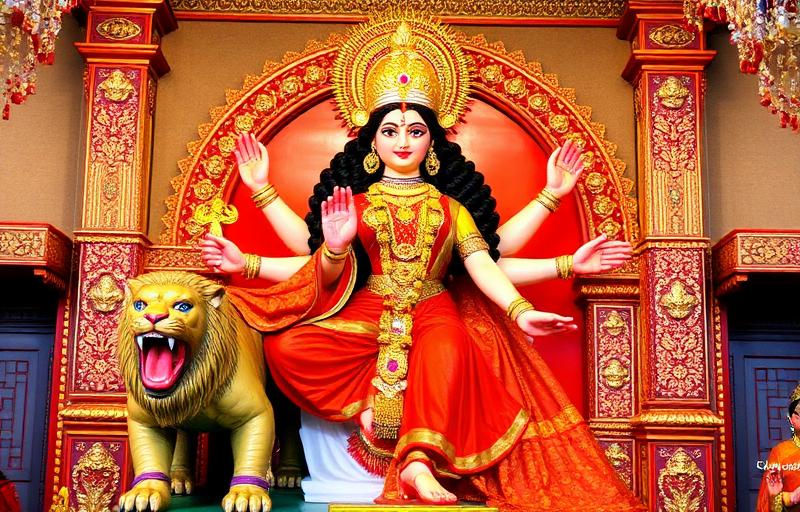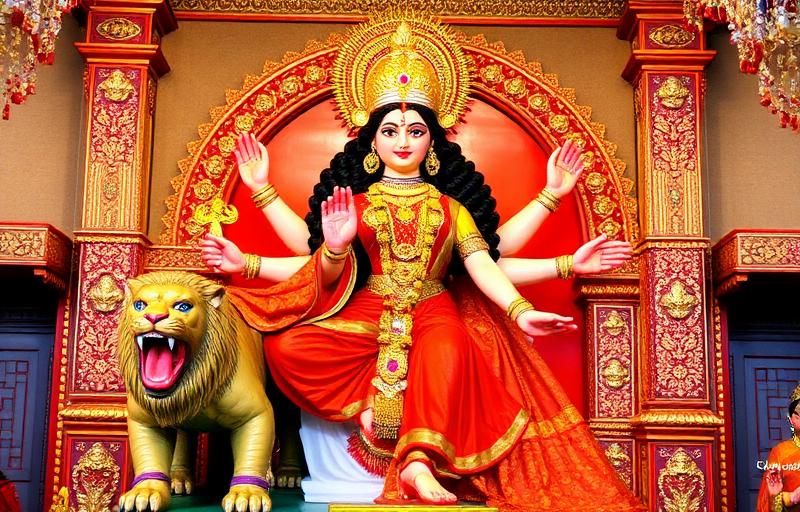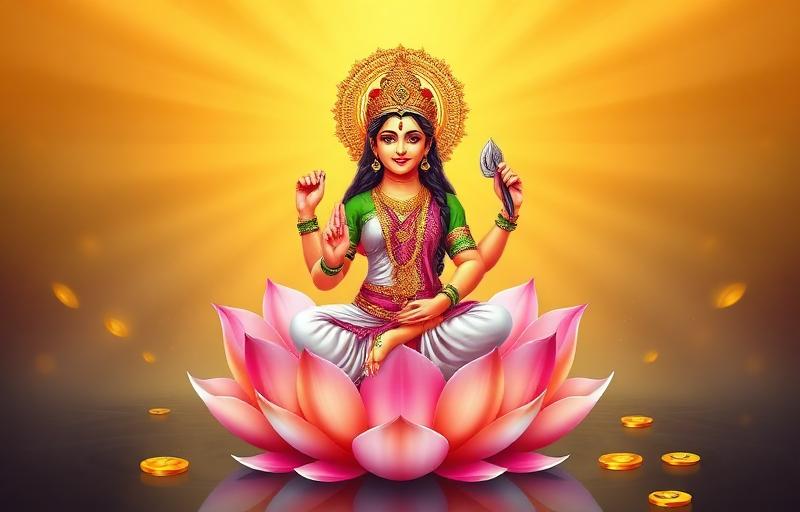
Who Is Maa Bagalamukhi?
Bagalamukhi is worshipped as the eighth of the Dus Mahavidyas, the ten great wisdom forms of Adi Shakti. She is known as the goddess of stambhan shakti, the power to still or paralyse negative forces, whether an enemy's ill intent, a false dispute, harmful gossip or one's own scattered thoughts. She is depicted seated in yellow, holding an opponent's tongue, symbolising control over speech and thought rather than harm to any being.
Because Bagalamukhi sadhana belongs to a deeper tantric tradition, serious practitioners undertake it only under the guidance of a qualified guru. What follows is the simple, respectful home worship ordinary devotees offer to seek her protection, not the elaborate sadhana reserved for the initiated.
Samagri for Simple Home Worship
For a simple, respectful worship at home, gather:
- A picture or small murti of Maa Bagalamukhi
- Yellow cloth or asana to sit on
- Yellow flowers, especially marigold
- Turmeric (haldi) and yellow chandan
- A diya with mustard or til oil
- Akshat (unbroken rice), incense and a bell
- Besan laddu or any yellow sweet as prasad
Everything can be modest. This worship does not need elaborate or costly items, only a clean space and a sincere heart.
Step-by-Step Puja Vidhi
1. Snan and asana: Bathe, wear clean clothes, and sit on the yellow asana facing east or north. 2. Ganesh vandana: Begin with a short prayer to Lord Ganesha for a smooth, obstacle-free worship. 3. Dhyana: Light the diya and incense, and spend a quiet moment visualising Maa Bagalamukhi with a calm, steady mind. 4. Offerings: Offer akshat, turmeric, yellow flowers and the sweet prasad with folded hands. 5. Mantra japa: Chant her name or a simple mantra such as Om Hleem Bagalamukhi Devyai Namah quietly, a comfortable number of times such as 11 or 21. 6. Aarti and prasad: Perform a short aarti, offer gratitude, and share the prasad with the family.
The worship is kept brief and calm, never rushed or done in agitation.
Best Time and Rules to Keep in Mind
Tuesdays are commonly considered favourable for Bagalamukhi worship, though a sincere devotee may pray to her whenever facing genuine distress from conflict or slander. Some families observe this worship during Navratri alongside the other Mahavidyas.
The most important rule is intention. This worship is meant for protection and peace of mind, not for wishing harm on anyone. Devotees are advised to keep the mind calm, avoid anger, and approach her as a mother who steadies a troubled situation rather than a power to be misused.
Common Mistakes to Avoid
- Attempting elaborate tantric sadhana from a book or video without a guru's guidance
- Approaching this worship out of anger or a wish for revenge rather than genuine distress
- Skipping the Ganesh vandana at the start
- Making the ritual complicated when a simple, sincere prayer is enough for home worship
If someone feels drawn to a deeper level of Bagalamukhi sadhana, tradition strongly recommends seeking a qualified guru rather than experimenting alone.
The Takeaway
Maa Bagalamukhi's worship, at its heart, is a prayer for steadiness when the world feels chaotic or unjust. A simple home puja, offered with a calm mind and honest intention, is enough for most devotees. For the deeper tantric path she represents, tradition asks for patience and a genuine guru, not shortcuts.
Quick Answers
Can Bagalamukhi puja be done at home without a priest?+
Yes, a simple worship with a picture, yellow flowers, turmeric and a short mantra can be done at home with sincerity. Deeper tantric sadhana, however, is traditionally undertaken only under a qualified guru's guidance.
Why is the colour yellow important in Bagalamukhi worship?+
Yellow is closely associated with Maa Bagalamukhi's form and is traditionally used in her flowers, cloth and offerings, believed to reflect her radiant, stabilising energy.
Is Bagalamukhi worship only for people facing disputes?+
No. While she is often approached for protection in conflicts or false accusations, devotees also pray to her for steadiness of mind, control over harmful speech, and general protection from ill intent.
About the author
Pandit Mahesh Trivedi · Festival Traditions & Panchang
Pandit Mahesh leads the festival-date and Panchang content on Vandnaa. He cross-references multiple regional panchangs (Drik, Vaishnava, Bengali, Marathi) for every festival date published on the site.
Meet the Vandnaa editorial team →