What is Besakih - Bali's Mother Temple
Besakih is the largest and holiest of all Hindu temple complexes on the island of Bali, Indonesia, and is affectionately known as Pura Besakih, the Mother Temple. Set on the slopes of Mount Agung, Bali's highest and most sacred volcano, the complex consists of more than twenty separate temples arranged across terraced courtyards climbing the mountainside.
At its heart is the central temple, Pura Penataran Agung, dedicated to the Balinese Hindu Trinity, reflecting the same Trimurti of Brahma, Vishnu and Shiva revered across the wider Hindu tradition. Besakih stands as the spiritual heart of Balinese Hinduism, drawing worshippers from across the island for major ceremonies.
History and Legend
Tradition holds that Besakih has been a sacred site for many centuries, its origins linked to ancient nature worship on the slopes of Mount Agung, which the Balinese regard as the abode of the gods, much as Kailash is revered in the wider Hindu tradition. Over time, as Hindu influence from the Indian subcontinent shaped Balinese religious life, the site grew into the vast temple complex seen today.
Besakih has endured through the centuries, including surviving a major volcanic eruption of Mount Agung, an event devotees have long regarded as a sign of divine protection over the temple. It remains today the most important site of worship for the millions of Hindus who call Bali home.
Significance and What Devotees Pray For
As the Mother Temple of Bali, Besakih holds a position comparable to a central place of pilgrimage in Indian Hindu tradition, a site every devout Balinese Hindu hopes to visit and honour. Ceremonies here are considered deeply auspicious for the entire island's spiritual wellbeing, not just for individual devotees.
Devotees at Besakih pray for:
- Harmony between humanity, nature and the divine, a core Balinese Hindu principle
- Blessings of the Trimurti for protection and prosperity
- Purification and spiritual renewal
- The wellbeing of family and community
As is true of all Hindu worship across the world, devotion at Besakih is offered with humility, in the understanding that faith itself is the offering, not any material show.
Darshan Guide - Timings and Ceremonies
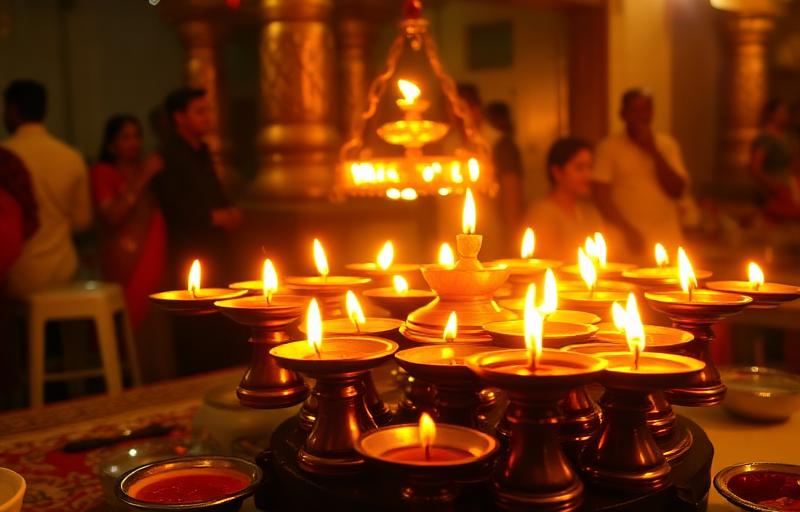
Besakih welcomes visitors through the day, though the complex is at its most spiritually vivid during major Balinese Hindu ceremonies, when priests and devotees in traditional dress fill the terraced courtyards with offerings, incense and prayer. Visitors are expected to dress respectfully, typically with a sarong, in keeping with temple custom.
The temple calendar follows the Balinese Hindu system of ceremonies, with odalan (temple anniversary festivals) held periodically at the various shrines within the complex, drawing large gatherings of devotees in full ceremonial dress.
How to Reach Besakih
Besakih is located in the Karangasem regency of eastern Bali, on the slopes of Mount Agung. The temple is generally reached by road from Bali's main tourist hubs such as Denpasar or Ubud, a scenic drive through the island's hills and rice terraces. Ngurah Rai International Airport in Denpasar is the main gateway to Bali for travellers arriving from India and elsewhere.
Many pilgrims and visitors combine a trip to Besakih with visits to other sacred sites across Bali as part of a broader spiritual journey through the island.
Prayer Tradition and the Takeaway
Balinese Hindu prayer at Besakih often includes the invocation Om Swastyastu, a greeting and blessing meaning "may you be in a divine state of being", along with offerings of flowers and incense placed with folded hands in prayer.
Besakih is a powerful reminder that Hindu devotion has flourished for a thousand years far beyond India's shores. For any devotee, its terraced courtyards on a sacred volcano stand as living proof that faith travels, adapts and endures wherever hearts remain devoted.
Frequently Asked Questions
Why is Besakih called the Mother Temple of Bali?+
Besakih is the largest and holiest of Bali's Hindu temple complexes, holding a central place in Balinese Hindu worship comparable to a nation's most important pilgrimage site, which is why it is affectionately called the Mother Temple.
Is Besakih connected to Hindu traditions from India?+
Yes. Besakih's central temple honours the Trimurti of Brahma, Vishnu and Shiva, the same trinity revered across the broader Hindu tradition, reflecting the deep and centuries-old link between Balinese Hinduism and its Indian roots.
What should visitors know before visiting Besakih?+
Visitors are expected to dress respectfully, typically wearing a sarong, in keeping with temple custom. The complex is especially vivid during major ceremonies, when devotees gather in traditional dress with offerings and prayer.
About the author
Pandit Ravindra Sharma · Vedic Rituals & Bhakti, 22+ years
Pandit Ravindra is the Vandnaa editorial team's resident specialist on aarti, chalisa, and daily devotion. He has performed home and temple pujas across Varanasi and Delhi for over two decades and contributes the bhakti-focused articles on this site.
Meet the Vandnaa editorial team →