What Is the Bhagavata Purana
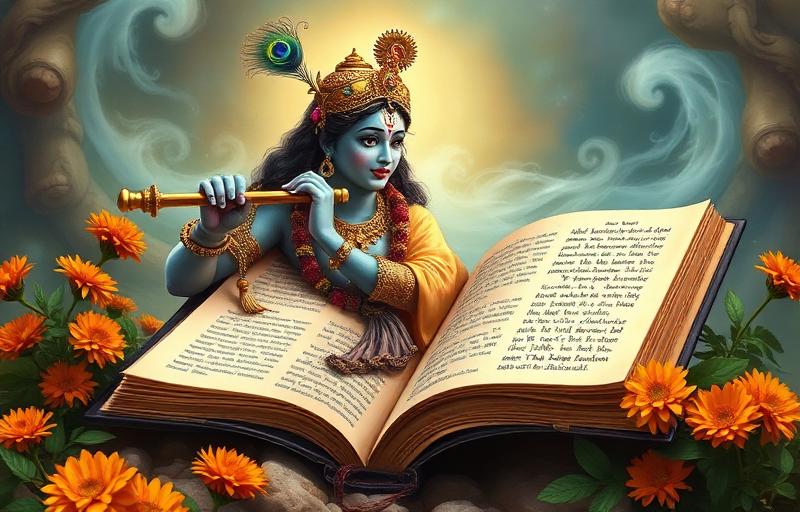
The Bhagavata Purana, also known as Srimad Bhagavatam, holds a place of unmatched reverence among the eighteen Maha Puranas. Traditionally attributed to Ved Vyasa, it is often described as the ripened fruit of the Vedic tree of knowledge, the culmination of everything the scriptures teach, expressed through devotion.
While many Puranas span a wide range of subjects, the Bhagavata Purana is remembered above all for one thing, its telling of the life and glory of Lord Krishna. Devotees across India, and increasingly around the world through the Vaishnava tradition, treat it as one of the most cherished texts in Hindu devotional literature.
The Story Behind Its Telling
Tradition frames the Bhagavata Purana within a moving narrative of its own. King Parikshit, cursed to die within seven days, renounces his throne and sits on the bank of the Ganga to prepare for death. The young sage Shukadeva, son of Vyasa, arrives and narrates the Bhagavata Purana to him over those seven days, addressing the one question that matters most to a soul facing death, how to find liberation through devotion.
This frame story is why the recitation of the Bhagavata Purana over seven days, known as Bhagavata Saptah, remains a cherished tradition, believed to bring the same peace and clarity to listeners that it is said to have brought Parikshit.
Its Structure and the Story of Krishna
The Bhagavata Purana is organised into twelve skandhas, or books, moving from cosmology and philosophy in its early sections toward its heart in the tenth skandha, which narrates the complete life of Krishna, from his birth in a Mathura prison to his childhood in Vrindavan, his youth among the gopis, and his later years in Dwarka.
This tenth skandha is by far the most recited and best loved portion of the text, forming the basis for countless retellings, Krishna Janmashtami readings, and devotional performances across India. The final skandhas turn toward Krishna's parting teachings and reflections on the nature of time itself.
Its Central Teaching: The Path of Bhakti
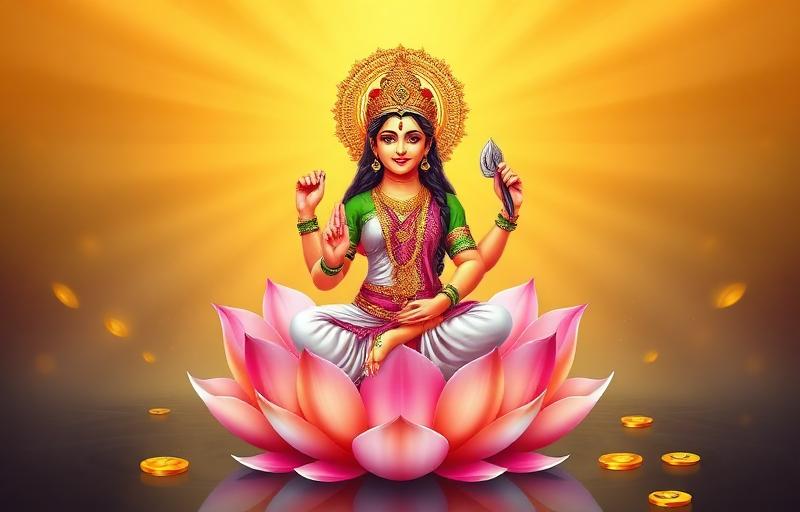
More than any other Purana, the Bhagavata places bhakti, loving devotion to God, at the very centre of spiritual life. It teaches that devotion is open to everyone regardless of learning, birth or worldly position, and that sincere love for God can achieve what elaborate ritual or abstract philosophy alone cannot.
This emphasis is why the Bhagavata Purana became the foundation for later bhakti movements across India, inspiring saints and traditions from Chaitanya Mahaprabhu's Gaudiya Vaishnavism to countless regional devotional schools, all of whom found in it a scripture that spoke directly to the heart.
How the Bhagavata Is Read and Honoured Today
The Bhagavata Purana continues to be recited in homes, temples and public gatherings, often over the traditional seven-day Bhagavata Saptah format, with skilled kathavachaks narrating its stories to gathered listeners. Krishna Janmashtami, Radha Ashtami and the Rasa Leela performances of Vrindavan all draw directly from its tenth skandha.
For a devotee today, engaging with the Bhagavata Purana need not mean reading all twelve skandhas at once. Even hearing the story of Krishna's childhood, or a single verse on surrender to God, carries the same spirit the text was composed to share. As tradition holds, its purpose was never to be studied from a distance, but to be loved into the heart.
Reader Questions Answered
Why is the Bhagavata Purana considered the greatest among the eighteen Puranas?+
Tradition holds it in the highest regard because of its focus on bhakti and its complete telling of Krishna's life, considered by devotees to be the essence of all Vedic teaching expressed in devotional form.
What is Bhagavata Saptah?+
Bhagavata Saptah is the traditional recitation of the Bhagavata Purana across seven days, following the pattern in which Shukadeva is said to have narrated it to King Parikshit.
Which part of the Bhagavata Purana tells the story of Krishna?+
The tenth skandha, or book, contains the complete story of Krishna's life and is the most widely recited and celebrated portion of the entire text.
About the author
Pandit Ravindra Sharma · Vedic Rituals & Bhakti, 22+ years
Pandit Ravindra is the Vandnaa editorial team's resident specialist on aarti, chalisa, and daily devotion. He has performed home and temple pujas across Varanasi and Delhi for over two decades and contributes the bhakti-focused articles on this site.
Meet the Vandnaa editorial team →