The Day Yamraj Granted His Sister Three Wishes
There is no other festival in Sanatan Dharma where the god of death Himself is the central character. Bhai Dooj (also called Yama Dwitiya, Bhau Beej, Bhratri Dwitiya) commemorates a single act - Yamraj visiting his sister Yamuna's home for tilak.
Bhai Dooj 2026 falls on Thursday, 12 November 2026 - Kartik Shukla Dwitiya, the second day after Diwali. (It is also the same day as Devuthani Ekadashi, when Lord Vishnu wakes from his 4-month yoga nidra, ending Chaturmas.) The Bhai Dooj - Devuthani combination in 2026 is exceptionally auspicious - once-in-19-years.
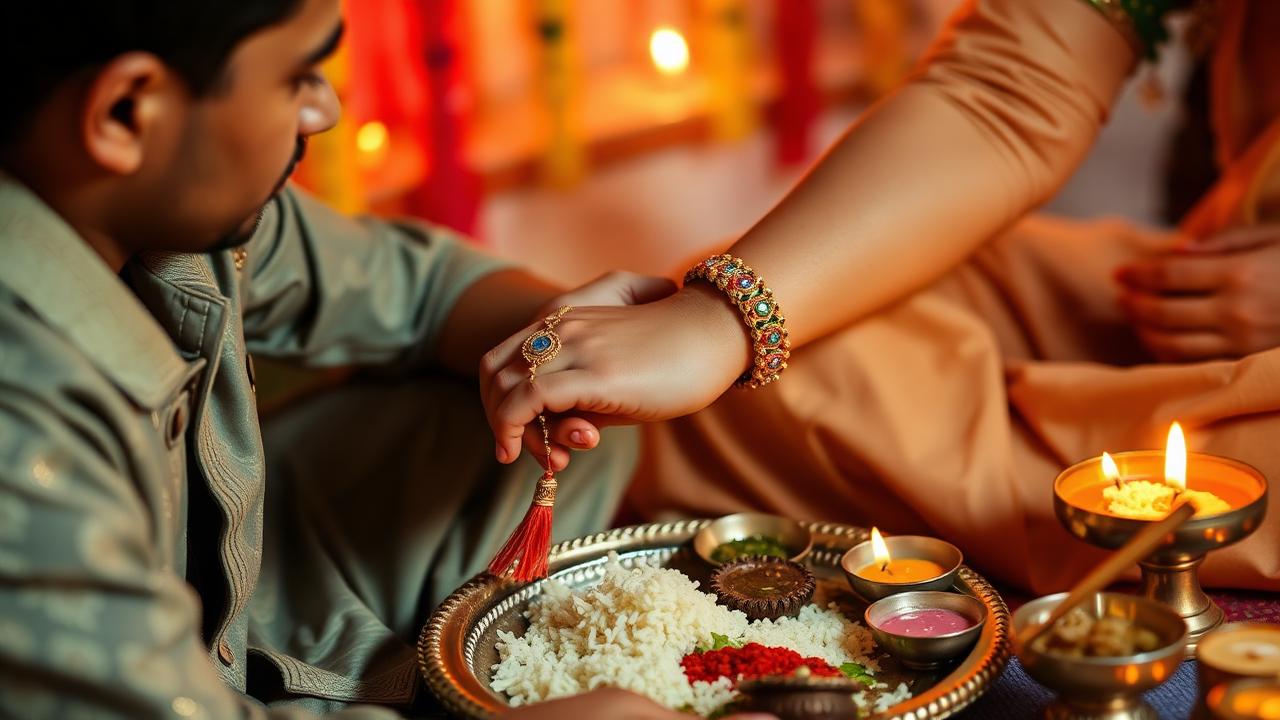
The story (next section) is about Yamraj's tender love for his sister. The festival turns this into a universal celebration: every Hindu brother visits his sister's home (or the sister visits the brother's), receives tilak from her, eats a meal she has cooked, gives her a gift, and promises to protect her always. In return, the sister prays for her brother's long life.
Why Bhai Dooj is unique:
- It is one of only TWO festivals (the other being Raksha Bandhan) explicitly celebrating sibling bonds
- Unlike Raksha Bandhan (which is sister-protects-brother in spirit), Bhai Dooj is brother-protects-sister + sister-blesses-brother - fully reciprocal
- It marks the formal END of the Diwali festival period - Diwali is 5 days, ending on Bhai Dooj
- Yamraj's blessing means: every brother who comes home to his sister on this day is freed from untimely death for the year
This is why Bhai Dooj is taken so seriously in Hindu families. Brothers travel cross-country to be with their sisters. Sisters wait for them with prepared meals. Even married sisters who have moved far from their parental home receive their brothers' annual visit - re-establishing the bond.
🙏 The Vandnaa App's Bhai Dooj module includes the full Yama-Yami katha audio, the perfect tilak vidhi step-by-step, traditional gift suggestions for sisters, and a Yama-Stotram for praying for a brother's safety.
The Yama-Yamuna Katha - Why a God Crossed Worlds for His Sister
Yamraj (the god of death) and Yamuna (the sacred river) are twin children of Surya (the Sun) and Sanjana (cloud-goddess). They were born together. Yamraj was given the duty of governing the realm of departed souls; Yamuna chose to flow on Earth as a holy river, blessing all who bathed in her.
For centuries the twins lived apart - Yamraj in the underworld of departed souls, Yamuna on Earth in her river-form. Yamuna missed her brother terribly. Every full moon she would think of him.
Finally, on Kartik Shukla Dwitiya, Yamuna sent a heartfelt invitation: 'Brother, please visit my home. It has been so long. Come share a meal with your sister.'
Yamraj, despite his stern duties, could not refuse. He left Yama Loka and traveled to Earth, to Yamuna's celestial home (in the heavens, where she has a sister-aspect). Yamuna welcomed him with the warmest tilak ceremony ever recorded:
- She bathed his feet and wiped them with her hair
- She applied a sacred tilak of roli, kumkum, and akshat on his forehead
- She circled a ghee diya around his face 7 times (the original aarti)
- She fed him 7 different dishes she had cooked herself, from rice to kheer
- She gave him a clean, pristine cloth as gift
Yamraj was deeply moved. 'Sister,' he said, 'in my entire existence, no one has welcomed me with such love. I am the god of death - feared by all, loved by none. Today my own twin sister has shown me what familial love means. I am forever in your debt.'
Yamuna replied, 'Brother, I do not want a debt repaid. I want only one gift - let every Hindu brother visit his sister on this day, and let her have the privilege of giving him tilak. In return, may you protect every such brother from untimely death.'
Yamraj smiled. 'Granted. From this day, every Kartik Shukla Dwitiya, any brother who comes to his sister's home - visits her, takes tilak, eats her meal, gives her a gift - is freed from untimely death for the year. And if a sister has no brother, let her receive blessings from any Hindu brother who is willing to play that role.'
He then granted Yamuna two more boons:
- Anyone who bathes in the Yamuna river on this day is freed from sins of 7 lifetimes
- Bhai Dooj will be celebrated in every Hindu home for as long as the universe exists
And so it has been. This is why Bhai Dooj is also called Yama Dwitiya - the second day of Kartik that Yamraj himself sanctified.
The deeper meaning: Hindu festivals are often about humans praying to gods. Bhai Dooj is about a god learning what love looks like from his own sister. It is the only festival where Yamraj is shown not as a stern judge but as a beloved brother - homesick, tender, vulnerable. The lesson: even the strongest among us need our siblings.
Bhai Dooj 2026 - Tithi, Muhurat & Step-by-Step Tilak Vidhi
📅 Date: Thursday, 12 November 2026 🕒 Dwitiya Tithi Begins: 6:14 AM, 12 November 2026 🕒 Dwitiya Tithi Ends: 8:21 AM, 13 November 2026
🌅 Best Tilak Muhurat: 1:08 PM – 3:25 PM, 12 November 2026 (the most auspicious, called Aparahna Kaal - exactly when Yamuna gave Yamraj tilak) 🌅 Alternate Muhurat: 11:43 AM – 12:27 PM (Madhyahna for working professionals who cannot do afternoon) Avoid: Rahu Kaal (1:36 PM – 2:58 PM is overlap with main muhurat - strictly do tilak BEFORE 1:36 PM if possible. Otherwise wait till after 2:58 PM. Most ideal start: exactly 1:08 PM, complete by 1:36 PM).
Items Needed for Tilak (Sister prepares):
- A clean wooden chowki for the brother to sit on
- A thali (decorated plate) containing:
- Roli, kumkum, akshat (rice grains)
- White chandan paste
- Pure ghee diya (or 5-wick diya for special occasions)
- Cotton wick, matchbox/lighter
- Sweets - boondi, peda, or whatever brother likes
- Small fruits (apple slices, banana)
- Coconut
- Red kalawa thread
- A handkerchief or small clean cloth (for brother to wipe with after tilak)
- A flower (preferably marigold)
Items the Brother Brings:
- A gift for the sister (traditional: clothes, jewellery, money in odd amounts like ₹501, ₹1101, ₹2101)
- Sweets to share with sister's family
Step 1 - Pre-Tilak Preparation (Sister, 11:00 AM onwards):
- Bathe and wear new/clean clothes (red, yellow, green saree most auspicious)
- Cook a special meal - at least 7 dishes (echoing Yamuna's 7 dishes for Yamraj). Traditional: rice, dal, sabzi, roti, kheer, chutney, raita
- Decorate the puja area with rangoli
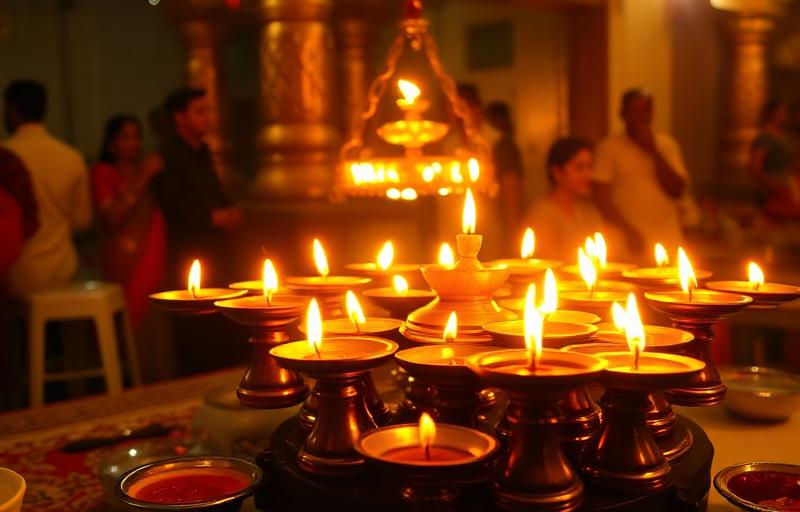
- Light a single ghee diya in the puja room (representing Yamraj's blessing)
Step 2 - Brother's Arrival:
- Greet brother at the door with ghee diya - circle the diya around his face once (symbolic welcome arati)
- Offer water for hand-washing
- Lead him to the prepared chowki
Step 3 - The Tilak Ceremony (1:08 PM):
- Brother sits on the chowki facing east or north (NOT south - south is Yama's direction; brother is being welcomed by Yamuna who is in the heavens)
- Sister stands or sits facing him
Sister applies tilak in this order: 1. Roli + Akshat tilak on brother's forehead (using right hand ring finger) 2. White chandan tilak below the roli (creating a vertical mark) 3. Akshat (a few rice grains) pressed gently into the wet tilak - they should stick. As they do, sister chants: 'Yama-puja-pratham-abhyaagamya, bhratus-tilakam pradadati. Ayushyam tasya bhraatuh, sahasra-jeevitam.' (As Yamraj himself was tilak'd, I tilak my brother - may he live for a thousand years.) 4. Aarti - sister picks up the diya thali, circles it 7 times around brother's face clockwise, while singing: 'Bhaiya mere, raakhi ke bandhan ko nibhaana, bhaiya mere, choti behan ko na bhulaana.' (Or any traditional bhai-aarti tune.) 5. Akshat-Phool offering - sister places akshat and a flower on brother's head 6. Sweet feeding - sister places a small piece of sweet in brother's mouth herself (boondi or peda) 7. Coconut-water blessing - sister sprinkles a few drops of coconut water on brother's head, blessing him for prosperity
Step 4 - Brother's Reciprocation:
- Brother gives sister a gift - directly hands it to her with both hands
- Brother applies a SMALL roli tilak on sister's forehead too (this is a recent tradition - many do this, some don't)
- Brother places a small sweet in sister's mouth
- Brother makes a verbal promise: 'Sister, I will protect you always - in good times and bad. May Yamraj protect me from untimely death so I can continue protecting you.'
Step 5 - The Meal Together:
- Brother sits at the head of the dining area
- Sister serves him personally (no servants/cook today; sister herself serves)
- Family eats together; brother is served first
- After meal: sister does NOT take payment for any sweets/gifts she has given (this is sacred - sisters never take money for Bhai Dooj sweets)
Step 6 - Departure Blessings:
- Before brother leaves, sister gives one final aarti at the doorway
- Brother promises to return next year
- If sister has children, they touch their uncle's feet and receive his blessing
Special Situations - When You Cannot Be Together, Have No Sibling, etc.
Bhai Dooj is the most flexible Hindu festival in terms of accommodating modern realities. Here are the established protocols for special situations.
1. Brother and Sister live in different cities:
- Brother travels to sister (preferred) OR sister travels to brother
- If neither can travel: the FULL ritual can be done over video call. The sister applies tilak on a photo of the brother + a small image of Yamraj (since the brother represents Yamraj symbolically), prays the same mantras, and 'feeds' him via a sweet sent in advance via courier
- Many NRI Hindus do this - full effectiveness if sincerely done
2. Sister has no biological brother:
- Religious tradition: any 'cousin brother' (bhua's son, mama's son) can come for tilak
- Or: a 'mooh-bola bhai' (declared brother) - a male friend who has been formally accepted as a brother in a previous year. Once declared, the relationship is sacred
- Or: ANY hindu brother. If none of the above is available, the sister can apply tilak to a small Krishna idol or a Hanuman idol - the deity becomes her symbolic brother for the day, and Yamraj's blessing transfers via the deity
3. Brother has no biological sister:
- Visit a cousin sister, sister-in-law, or any sister-figure (a female friend/colleague who has been a sister-figure)
- Or: visit a deity - Goddess Yamuna (river) is the universal sister-deity. Many brothers visit a Yamuna ghat on this day, offer flowers, and receive Her blessings as a sister's tilak
4. Brother is in the military / police / abroad and cannot come:
- Sister does the full ritual at home with brother's photo
- Brother sends a video greeting + a gift courier
- On a future Bhai Dooj when reunion happens, the missed years are 'covered' through extra prayers and an extended ceremony
5. Brother is deceased:
- Sister can do Yama-Tarpan on Bhai Dooj - a special ritual where she offers water + til + flowers + til-gud-ladoo to her deceased brother's photo, praying for his soul's peace in the next world
- Cannot apply tilak (tilak is for living persons only)
- But the deep prayer reaches the brother's soul. Many sisters report dreams of their departed brothers in the days after Yama-Tarpan
6. Sister has multiple brothers:
- Tilak ceremony is repeated for EACH brother - each gets the full ritual
- If they cannot all visit together, sister can do tilak across multiple days within the Bhai Dooj week (Nov 12 + Nov 13 + Nov 14 - the spiritual energy continues for 3 days)
- If only one comes physically and others on video: do all rituals together, the energy multiplies
7. Estranged siblings:
- Bhai Dooj is the universal day for sibling reconciliation
- Even if the sibling will not accept your call, send a card, gift, or message expressing your desire to restore the relationship
- The festival's energy itself works on the recipient's heart over the day. Many estrangements end with a brother showing up unannounced on Bhai Dooj after years of silence - moved by Yamraj's invisible push.
Bhai Dooj Celebrations Across India: Regional Names and Unique Customs
Bhai Dooj is not celebrated identically across India - it takes different forms, bears different names, and carries unique regional customs that reveal the rich diversity within Hindu tradition. Understanding these variations shows how a single spiritual occasion expresses itself through thousands of local cultures.
Bhai Phota (West Bengal): In Bengal, this festival is called Bhai Phota - "phota" referring to the tilak (dot) applied to the brother's forehead. The ritual is elaborate: the sister fasts until she can see her brother, prepares a special thali with sandesh (Bengali sweet), durgha (a grass), durba (sacred grass), and mustard seeds along with the tilak materials. The Bhai Phota mantras in Bengali are distinct from the Hindi versions, invoking Yama and Yamuna in the regional poetic tradition.
Bhai Tika (Nepal): In Nepal, this is called Bhai Tika and is one of the most important festivals of the Diwali period. Sisters apply a seven-colored tika (tilak) made from mustard oil, yogurt, and various powders - each color representing a different blessing. Brothers receive garlands of marigold and pay their respects by touching their sister's feet (a reversal of the usual hierarchy). The day carries a distinctly reciprocal quality: both siblings honor and are honored.
Bhav Bij (Maharashtra): In Maharashtra, this is Bhav Bij (also called Yama Dwitiya). The tilak ceremony is similar, but Maharashtra adds the practice of sharing a meal cooked by the sister - the brother must eat at his sister's home on this day. If distance prevents this, a symbolic meal is shared virtually or through sending food.
Yamadvitiya (Karnataka and Andhra Pradesh): The southern states celebrate it as Yama Dwitiya, with special prayers to the sun and Yama. In some communities, this is when new clothes gifted during Diwali are first worn - the brother receives his Diwali gift on this day specifically.
Chitragupta Puja (business communities): In some Marwari and Bania communities, Bhai Dooj coincides with Chitragupta Puja - worship of Chitragupta, the divine accountant who records all karmas. Merchants open new account books, perform calculations, and seek blessing for the new business year. This practice connects the fraternal bond to cosmic justice.
The diaspora adaptation: Indian communities abroad have adapted Bhai Dooj to modern contexts - video calls replacing in-person tilak ceremonies, sending sweets by courier, WhatsApp voice messages in which sisters recite the Bhai Dooj mantra. These adaptations keep the emotional heart of the tradition alive across geographic separation.
The Vandnaa app provides Bhai Dooj mantras in regional versions - Bengali, Marathi, Gujarati, Rajasthani - so sisters can use the tradition of their own family lineage.
The Sacred Bond of Yamuna and Yamraj: Mythology Behind Bhai Dooj
The story of Yamuna and Yamraj is one of the most moving in Hindu mythology - a tale of love transcending the boundaries of death itself. Understanding it fully reveals why Bhai Dooj is not merely a cultural custom but a cosmic affirmation.
The birth of Yamuna and Yamraj: Yamuna (the river) and Yamraj (the lord of death) are twins, born to Surya (the sun god) and Sanjna (his wife). They are siblings not just in this story but in cosmic function - Yamuna is the river of life and love, associated with Krishna and his divine play; Yamraj is the river of time and death, associated with karmic justice. Their twinship represents the inseparability of life and death.
The long separation: Yamraj is the god of death - busy receiving the souls of all who die, administering karma, maintaining cosmic order. His work never ends. Yamuna, though living on earth as a sacred river, longed to see her brother. She invited him many times, but Yamraj, overwhelmed by duty, kept postponing the visit.
The auspicious day: On the second day of the bright fortnight of Kartik month (Kartik Shukla Dwitiya - the day that became Bhai Dooj), Yamuna prepared for her brother's arrival with deep love. She cooked an elaborate meal, decorated her home, and waited. When Yamraj finally arrived, she applied the tilak with joy, fed him the meal she had prepared, and the two siblings spent the entire day in each other's company - talking, laughing, remembering their shared childhood in the celestial realms.
Yamraj's boon: Moved beyond words by his sister's love and devotion, Yamraj declared: "This day shall be sacred. Any brother who receives a tilak from his sister on this day with love, and any sister who performs this ritual with sincere affection, shall be freed from the fear of untimely death. I, Yamraj, give my word - I will not take such a brother before his time." This is why the Bhai Dooj mantra explicitly invokes Yamraj and Yamuna, requesting the god of death to bless and protect the brother.
The deeper teaching: The story teaches that even death cannot resist the power of love between siblings. The brother who receives his sister's blessings on this day is spiritually protected - not because of magic, but because the sincere love in that moment aligns the human heart with the cosmic heart. Yamuna's longing for her brother, expressed as a festival rather than as grief, is itself a teaching: love that seeks connection rather than control is the highest love.
The symbolism of Yamuna: Yamuna's dark blue waters and her association with joy, play, and beauty contrast with Yamraj's stern duty. Together, they represent the two forces every human must integrate: the pull of life's beauty and the reality of death. Bhai Dooj honors both - by bringing the god of death into a moment of pure domestic joy, the festival transforms the fear of mortality into a celebration of love.
The Vandnaa app includes the complete Bhai Dooj katha in both English and Hindi, with audio narration - ideal for families to listen to together on the festival day, keeping the story alive across generations.
Bhai Dooj Gift Ideas and Modern Ways to Celebrate the Bond
Bhai Dooj is fundamentally about the expression of love between siblings - and while the tilak ceremony remains the sacred core, the celebration naturally adapts to contemporary contexts, geographies, and relationships. Here is how to make Bhai Dooj meaningful in 2026.
Traditional gifts with renewed meaning:
- Gold coin or jewelry: The most traditional gift from brother to sister - gold represents prosperity and protection. Even a small gold coin is deeply meaningful.
- Silk saree or fabric: Traditional and appreciated across generations. Choose the sister's preferred color; in many communities, red or yellow fabric is auspicious.
- Silver items: Silver represents the moon, associated with nurturing and emotional wellbeing.
Contemporary gift ideas that preserve meaning:
- Experiences over objects: Gift an experience - a cooking class, pottery workshop, yoga retreat, or spa day. The shared memory outlasts any object.
- Subscription to Vandnaa app: For sisters who are spiritual seekers, gifting a premium app subscription with access to all festival guides, meditation, and mantra libraries is both practical and meaningful.
- Books: A beautiful edition of the Bhagavad Gita or Ramayana, or a book on Indian art, cooking, or philosophy.
- Homemade food: Nothing signals care like cooking for someone. Brothers can gift a hamper of homemade sweets; sisters traditionally prepare a home-cooked meal.
- Plants: A tulsi plant or other sacred plant gifted to a sister carries ongoing spiritual meaning beyond the festival day.
Long-distance Bhai Dooj: With families separated by cities and countries, adapting the ritual matters. A meaningful long-distance Bhai Dooj: 1. Schedule a video call and perform the tilak ceremony virtually - sister shows the thali on camera, applies tilak to a photo of the brother, recites the mantra aloud. 2. Send a handwritten letter (not an email) describing what your sibling means to you - the rarity of handwriting makes it precious. 3. Order sweets from a quality Indian mithai shop in your brother's city for delivery on the festival day. 4. Share the Yamuna-Yamraj katha on the call together.
When siblings are estranged: Bhai Dooj carries particular power in difficult family situations. The festival's invitation is to step beyond everyday grievances and recognize the cosmic bond. Many families use Bhai Dooj as the occasion for reconciliation after distance or conflict. The ritual creates a safe container: the focus on the festival reduces the awkwardness of direct emotional conversation.
The sister's role: more than just the tilak: Bhai Dooj explicitly empowers the sister as a protector figure - her tilak carries the power of Yamuna's love. Modern sisters can reclaim this meaning by taking their Bhai Dooj blessing seriously: light a lamp, recite the mantra properly, apply the tilak with full presence, and genuinely pray for your brother's wellbeing. The protection is real because the love is real.
The Vandnaa app provides Bhai Dooj countdown reminders, the complete vidhi in audio format, and a digital tilak ceremony guide for families celebrating long-distance.
Common Questions From Devotees
Why is Bhai Dooj different from Raksha Bandhan?+
Both celebrate sibling bonds but with different emphasis and stories. Raksha Bandhan (Aug, Shravan Purnima) - sister ties a rakhi on brother's wrist; brother promises protection. The relationship goes from sister TO brother (asking for protection), then brother TO sister (giving protection). Origin: Indra's wife Sachi tied a thread on Indra during a battle. Bhai Dooj (Oct/Nov, Kartik Shukla Dwitiya) - sister applies tilak; brother is blessed by Yamraj for long life through her prayers; brother gives sister a gift. The flow goes from sister TO brother (giving blessing) and brother TO sister (giving gratitude/gift). Origin: Yamraj-Yamuna story. Both are needed in a complete year - Raksha Bandhan is the protection promise, Bhai Dooj is the long-life blessing. Most Hindu families observe both.
What if I cannot afford a big gift for my sister?+
The gift is symbolic, not monetary. Yamraj himself gave Yamuna only a pristine cloth - modest, but offered with full love. What matters is: (1) The gift is given with both hands and full attention (not casually thrown), (2) The gift is wrapped or presented respectfully, (3) The gift is something useful or meaningful - not random. Even a single fresh flower, a hand-written letter expressing love and apology for past mistakes, or a homemade sweet you made yourself is fully sufficient. Many sisters say the most touching Bhai Dooj gifts they ever received were small tokens with deep meaning - not expensive items. If you genuinely cannot afford anything material, give your time - promise to spend an hour with sister talking about her life, listening to her concerns, and offering brotherly support. That is the greatest gift.
Can a brother visit his sister's house multiple times in the same year for blessings?+
Yes - but Bhai Dooj specifically refers to the Kartik Shukla Dwitiya tilak. Brothers can visit sisters anytime; that is normal sibling love. The Yamraj blessing is specifically tied to the Bhai Dooj day ritual. However, many traditional families also observe secondary tilak ceremonies on Phulera Dooj (in Phalgun, Feb-March), Holi (Phalgun Purnima), and on the sister's birthday. These are not Bhai Dooj but mini-celebrations of the bond. The core Yamraj blessing for the year is granted on Bhai Dooj specifically. Visiting on other days adds to general sibling-bond strength but does not replace Bhai Dooj.
Is the connection between Bhai Dooj and Devuthani Ekadashi in 2026 really significant?+
Extremely significant. Devuthani Ekadashi (when Vishnu wakes from 4-month sleep) and Bhai Dooj normally fall on different days. In 2026, they coincide - a once-in-19-years event. Spiritually this means: (1) the cosmic gates of auspicious activity reopen on Devuthani; (2) Yamraj grants Bhai Dooj blessings; (3) BOTH happen on the same day. The double cosmic energy makes 2026's Bhai Dooj uniquely powerful. Brothers who do tilak on this day are said to receive 7 years of protection (versus the usual 1 year). Sisters' prayers carry exponentially more weight. Many traditional families treat 2026 Bhai Dooj as a 'mega' celebration - extra elaborate rituals, more guests invited, and special offerings to both Yamraj and Vishnu.
What if my sister-in-law (bhabhi) lives with me - does she need a separate tilak ceremony?+
Yes, ideally. Bhabhi is your brother's wife and acts as a sister-figure in your home. Many North Indian families specifically include the 'Devar-Bhabhi' tilak ceremony on Bhai Dooj - the bhabhi gives tilak to her brother-in-law (devar) AFTER giving it to her own husband. This is becoming common in extended joint families. The bhabhi prays for the devar's long life as she would for her own brother. The relationship is sacred and equally protected by Yamraj's blessing. If you have multiple devars, bhabhi gives tilak to each. The same applies to 'Jeth-Bhabhi' (elder brother-in-law) and similar relationships in extended families. Bhai Dooj is fundamentally about ALL brotherly bonds, biological or in-law, in the family.
About the author
Pandit Mahesh Trivedi · Festival Traditions & Panchang
Pandit Mahesh leads the festival-date and Panchang content on Vandnaa. He cross-references multiple regional panchangs (Drik, Vaishnava, Bengali, Marathi) for every festival date published on the site.
Meet the Vandnaa editorial team →Explore on Vandnaa
Related Articles
Raksha Bandhan 2026: Date, Shubh Muhurat, Puja Vidhi, Rakhi Mantras & Bhadra Timing
9 min read
Diwali 2026: Lakshmi Puja Vidhi, Exact Muhurat, Mantras & 11 Things Every Home Must Do
11 min read
Govardhan Puja 2026: Date, Annakut Bhog Vidhi, Krishna's Mountain-Lifting Katha & Mantras
11 min read
Devshayani Ekadashi 2026: Date, Vrat Vidhi & Why Vishnu Sleeps for 4 Months (Chaturmas)
11 min read