
Bhajans for Stress Relief (तनाव दूर करने वाले भजन)
Music therapy scientifically proven है। और जब music devotional हो, तो उसकी healing power और भी बढ़ जाती है। Bhajans सुनने से stress hormones (cortisol) कम होते हैं और happy hormones (serotonin, dopamine) बढ़ते हैं।
यहां हम share कर रहे हैं top 10 bhajans जो stress instantly कम करते हैं।
🎧 सभी आरती, मंत्र और भजन एक ही जगह सुनें – Vandnaa App डाउनलोड करें।
Top 10 Bhajans List
1. 'Achyutam Keshavam' – Krishna bhajan, instantly calming 2. 'Hari Om Tatsat' – Om chanting with music 3. 'Ram Bhajan' – Raghupati Raghav Raja Ram 4. 'Shiv Dhun' – Om Namah Shivaya dhun 5. 'Hanuman Chalisa' – Protection और peace 6. 'Govind Bolo Hari Gopal Bolo' – Simple, repetitive, meditative 7. 'Hey Ram Hey Ram' – Gandhi ji ka favourite bhajan 8. 'Om Jai Jagdish Hare' – Universal evening aarti 9. 'Payoji Maine Ram Ratan Dhan Payo' – Meera bai bhajan 10. 'Aigiri Nandini' – Shakti bhajan for courage
In सभी bhajans को Vandnaa App पर सुन सकते हैं!
Science Behind Bhajan Therapy
Research shows:
- Devotional music reduces cortisol (stress hormone) by 25%
- Heart rate और blood pressure normal होती है
- Brain के alpha waves increase होती हैं (relaxation state)
- Serotonin (happy hormone) release होता है
- Group singing से oxytocin (bonding hormone) release
- Pain perception कम होती है
Bhajan therapy modern music therapy से और effective है क्योंकि इसमें faith और devotion भी जुड़ी होती है।
🎧 Listen all aartis, mantras & bhajans in one place. Download Vandnaa App.
How to Use Bhajans for Stress Relief
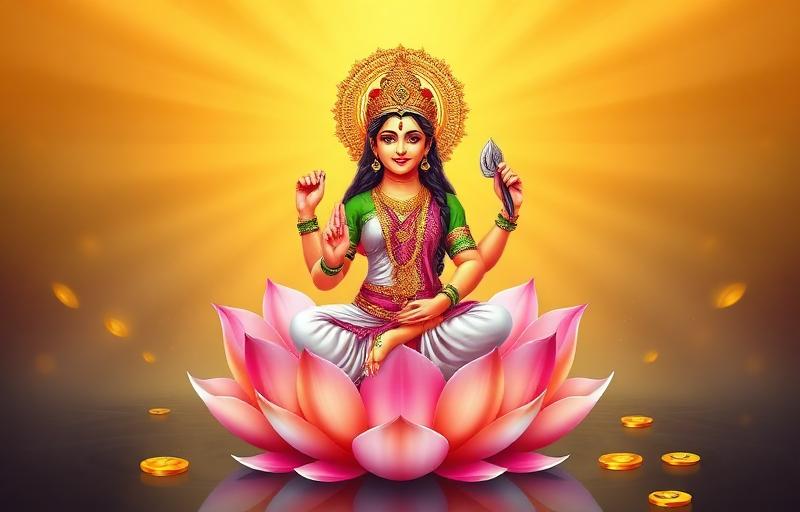
Effective bhajan listening tips:
1. शांत जगह बैठें या लेटें 2. Headphones use करें – better experience 3. आंखें बंद करें 4. Deep breathing करें 5. Lyrics पर focus करें, meaning समझें 6. Along with गाएं – singing therapy double effective 7. रोज़ 15-20 min सुनें
Best times: सुबह उठकर, शाम को, या सोने से पहले।
Indian Classical Ragas for Specific Emotional States
India's classical music system - spanning 72 parent ragas and hundreds of derived ragas - is one of humanity's most sophisticated systems of sound-based emotional medicine. The ancient texts describe this as 'Raga Chikitsa' (raga therapy), used for centuries in royal courts, temples, and healing ashrams.
Each raga is associated with specific times of day, seasons, emotional states, and healing properties:
For Anxiety and Racing Mind:
- Raga Bhairav (dawn raga): Calms anxiety, creates serene clarity. Best heard at sunrise.
- Raga Yaman (evening raga): Deeply soothing, reduces mental agitation, creates space for reflection.
For Depression and Low Mood:
- Raga Bhairavi (late morning): Associated with devotion and gentle joy. Famous for creating emotional release - it is not uncommon to weep while listening.
- Raga Kafi (midnight raga): Deep, introspective, but ultimately uplifting - guides the listener through darkness into light.
For Grief and Loss:
- Raga Todi (morning): Associated with profound longing and searching - ideal for processing grief without suppressing it.
- Raga Marwa (late evening): Evokes yearning and separation - allows grief to move through rather than stagnate.
For Energy and Motivation:
- Raga Bhupali (early evening): Bright, joyful, expansive. Lifts mood and energy.
- Raga Durga (night): Associated with courage, strength, and the warrior spirit.
For Sleep:
- Raga Yaman Kalyan (late night): Deeply hypnotic, guides the listener into restful states.
- Raga Nand (late night): Gentle, rhythmic, sleep-inducing.
Many bhajans are set to these classical ragas - which is why a well-composed bhajan affects you at a level deeper than the words alone. The raga carries the emotional medicine; the devotional lyric provides the direction for that medicine to travel.
🎧 The Vandnaa App curates bhajans by mood and time of day - drawing on this raga wisdom.
The Science of Sacred Sound: Why Sanskrit Bhajans Heal
The healing power of bhajans is not just psychological - it has measurable physical dimensions:
Cymatics - The Physics of Sound: In 1967, scientist Hans Jenny demonstrated through cymatics (the study of visible sound vibration) that different sound frequencies create different geometric patterns in physical matter. Sanskrit mantras and bhajan ragas consistently produce harmonious, symmetrical patterns - while discordant sounds create chaotic, asymmetrical ones. This provides a physical model for why certain sounds feel healing and others feel disturbing.
The 432 Hz Phenomenon: Many traditional bhajans, when measured, vibrate at or near 432 Hz - a frequency that modern acoustic research associates with calm, clarity, and cellular coherence. This is different from the modern standard of 440 Hz (used for most Western pop music). The ancient tuning system of Indian classical music - Sa Re Ga Ma Pa Dha Ni - was calibrated relative to natural resonances rather than arbitrary standards.
Sanskrit: A Phonetically Precise Language: Sanskrit is the only language where the script is an exact phonetic map of the sound - every letter corresponds to a specific position in the mouth and throat, creating a specific vibration in the skull, chest, or abdomen. Ancient linguists called Sanskrit 'devanagari' - the script of the gods - because its sounds were believed to be the actual names of cosmic forces, not arbitrary symbols for them.
This is why a Sanskrit bhajan chanted with correct pronunciation produces effects on the nervous system even when the singer does not understand the meaning - the sound itself carries the information.
Brain Wave Research: Multiple Indian and international studies have measured brain waves during bhajan listening and singing:
- Within 2–3 minutes of listening to classical bhajans, alpha waves increase measurably (alpha = relaxed alertness)
- Singing along activates the vagus nerve, directly calming the fight-or-flight response
- Group bhajan singing (kirtan) creates synchronized brain wave patterns across participants - explaining the profound community feeling of group devotional music
🎧 Experience these effects directly - open the Vandnaa App and listen to a curated bhajan playlist for your current mood.
Bhajans for Grief, Loss, and Loneliness
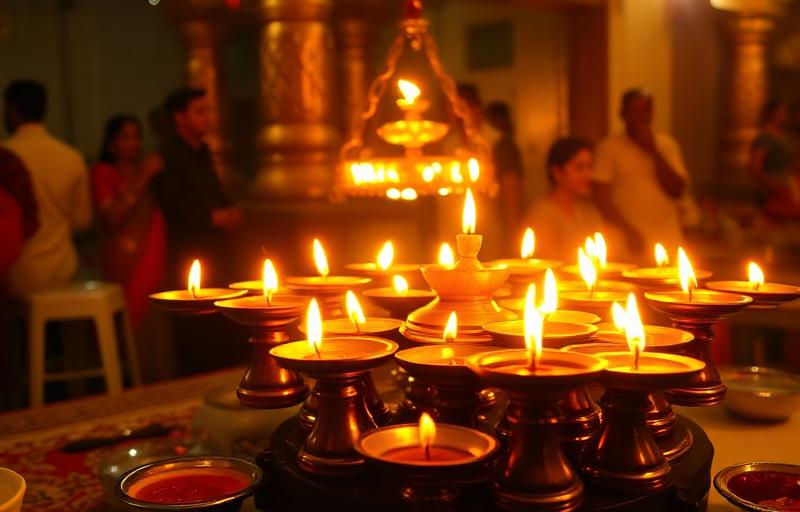
Grief is one of the emotions that popular culture encourages us to 'get over' quickly - but the spiritual traditions of India have always understood that grief must be honoured, not suppressed. Certain bhajans are specifically designed to accompany the grieving process:
Bhajans for After a Loss (Death, Separation):
1. 'Jab Koi Baat Bigad Jaaye' - while this is a prayer for divine help, its melody creates a safe container for unexpressed emotion
2. Meera Bai Bhajans - Meera's poetry is the literature of divine longing after human separation. Her bhajans ('Payo Ji Maine Ram Ratan Dhan Payo', 'Hari Tum Haro Jan Ki Pir') are used across India for grief rituals because they transform personal loss into divine yearning
3. 'Ram Naam Satya Hai' - traditionally chanted at cremations, this phrase has a specific quality of absolute acceptance that no other prayer achieves as precisely
4. Kabir Dohas - the 15th-century mystic poet's couplets are medicine for existential loneliness. 'Bura Jo Dekhan Main Chala, Bura Na Milya Koy' - I went searching for the bad; I found none. (Meaning: when I turned inward, the world looked different.)
For Loneliness:
5. 'Tere Bin Meri Kaun Khabar' - a prayer of dependence on the divine when human connection feels absent
6. 'Hey Govind Hey Gopal' - a simple, repetitive bhajan that carries the feeling of being personally known and cared for by God
How to grieve with bhajans:
- Do not rush to 'uplifting' bhajans too quickly - sit with the grief-appropriate ones first
- Allow tears - bhajans in the grief space are specifically designed to create emotional release
- After 15–20 minutes of grief-bhajans, move gradually toward more devotional and then uplifting ones
- This emotional arc - entering grief, processing it, and being carried toward peace - is what an experienced kirtan leader does in a full session
🎧 The Vandnaa App has a 'Grief Healing' playlist that follows this emotional arc.
How to Build Bhajans into Your Daily Routine
The most effective stress-relief through bhajans comes not from occasional listening but from consistent daily integration. Here is a practical framework for different types of people:
For Busy Professionals (30 minutes/day total):
- Morning commute (10 min): Hanuman Chalisa or Om Namah Shivaya dhun as background while getting ready or travelling
- Work break (5 min): Headphones, eyes closed, one slow bhajan. No email during this window.
- Evening transition (10 min): Between work and home - shift modes with a devotional playlist in the car or on the walk
- Before sleep (5 min): Quiet bhajan while winding down - lights dim
For Homemakers and Elderly (30–60 minutes/day):
- Morning puja (20 min): Aarti + bhajans as the background soundscape of the puja ritual
- While cooking (15 min): Bhajan playlist on speaker - this is one of the most traditional uses; the kitchen is a sacred space
- Afternoon rest (15 min): Quiet bhajans before a rest period
- Evening: Group or family bhajan session if possible - even 10 minutes of collective singing is profoundly bonding
For Students (Minimal time, maximum impact):
- Gayatri Mantra × 11 before every study session (5 min)
- During breaks: 5 min of calming bhajans (not stimulating, not pop music)
- Before sleep: Maha Mrityunjaya or Ram Naam chant × 11 (2–3 min)
Building the habit: Attach bhajan listening to an existing anchor - a moment you already do daily (morning tea, cooking, evening walk). This 'habit stacking' is the most reliable method for making any practice stick.
At 21 days of daily bhajan listening, most people report that they feel distinctly 'off' on days they miss it - the same way you feel when you miss a shower. This is the signal that the practice has integrated into your nervous system's baseline expectations.
🎧 Set a daily reminder on the Vandnaa App - morning bhajan notification at your chosen time.
Frequently Asked Questions
तनाव दूर करने के लिए कौन सा भजन सुनें?+
'Achyutam Keshavam', 'Om Namah Shivaya Dhun', और 'Hanuman Chalisa' सबसे effective हैं stress relief के लिए।
Can bhajans really reduce stress?+
Yes! Scientific studies prove that devotional music reduces cortisol by 25% and increases relaxation brain waves.
भजन कितनी देर सुनना चाहिए?+
15-20 minutes daily काफी है। ज़्यादा सुनना और भी अच्छा। कम से कम 5 min तो ज़रूर सुनें।
Which is the most calming bhajan?+
'Om Namah Shivaya Dhun' और 'Achyutam Keshavam' सबसे calming bhajans माने जाते हैं।
Can I listen to bhajans while working?+
हाँ! Soft bhajans background में सुनने से work productivity बढ़ती है और stress कम रहता है।
About the author
Acharya Vinaya Kapoor · M.A. Sanskrit, Mantra & Stotra Studies
Acharya Vinaya holds an M.A. in Sanskrit from Banaras Hindu University and writes the mantra and stotra commentary on Vandnaa. Her focus is on accurate pronunciation, traditional context, and helping modern readers connect with classical texts.
Meet the Vandnaa editorial team →