What Is Bhakti Yoga?
Bhakti Yoga is the path of loving devotion - the way of reaching the divine through pure, surrendered love for God. The word bhakti comes from the root bhaj, meaning to share, to serve, to belong to. Yoga means union. So Bhakti Yoga is union with the divine through love.
Unlike paths that rely on rigorous discipline or sharp intellect, bhakti asks only for a sincere, longing heart. The devotee loves God not for any reward, but for the sake of love itself. This is why bhakti is often called the simplest and most natural path - open to everyone, regardless of learning, caste or background.
The bhakta sees the chosen deity (Ishta Devata) - Rama, Krishna, Shiva, Devi, Hanuman or any beloved form - as the dearest of all relationships, and slowly the whole of life becomes an offering of love.
The Nine Forms of Bhakti (Navadha Bhakti)
The Bhagavata Purana describes nine ways of expressing devotion, known as navadha bhakti. Any one of them, done with a pure heart, can lead to the divine:
- Shravana - hearing the names, glories and stories of God.
- Kirtana - singing and chanting his praises and bhajans.
- Smarana - constant remembrance of the Lord.
- Pada-sevana - serving at the feet of the Lord (and his devotees).
- Archana - worship and ritual offering (puja).
- Vandana - bowing, prostration and prayer.
- Dasya - serving God in the mood of a faithful servant.
- Sakhya - loving God as one's dearest friend.
- Atma-nivedana - complete self-surrender, offering one's whole self.
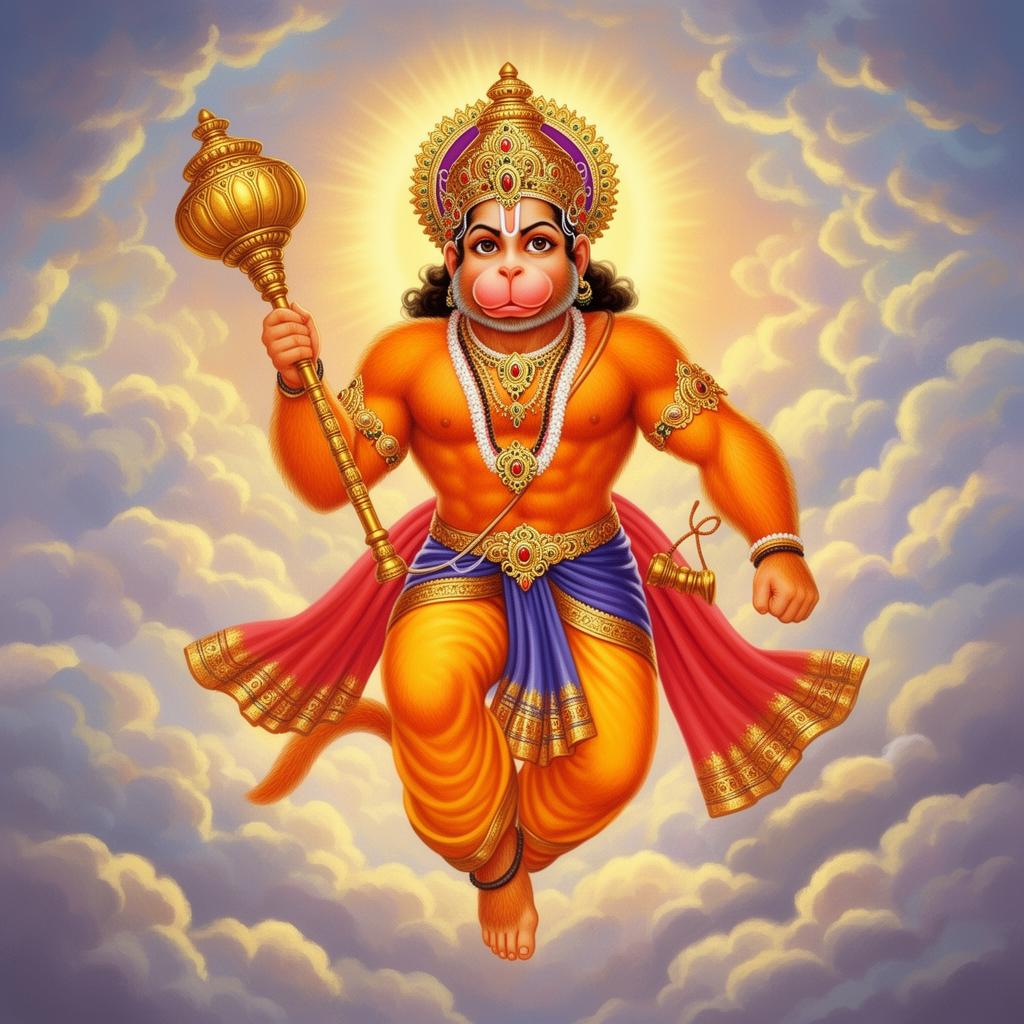
A devotee may follow one form or many. Prahlada is the great example of shravana, Narada of kirtana, and Hanuman of dasya - the servant who finds joy in serving Lord Rama.
Scriptural Basis of Bhakti Yoga
Bhakti Yoga rests on some of the most beloved texts of the tradition:
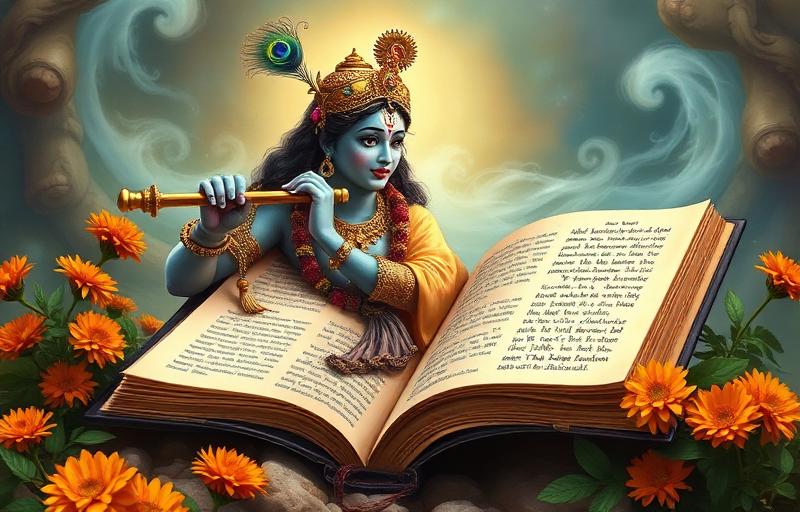
- Bhagavad Gita: In chapters 9 to 12, Lord Krishna praises the bhakta as dear to him and assures, 'Whoever offers me a leaf, a flower, a fruit or water with devotion, I accept it.' Chapter 12 (Bhakti Yoga) declares devotion to the personal God a sure and gentle path.
- Bhagavata Purana: The great scripture of bhakti, full of the lilas of Lord Krishna and the navadha bhakti.
- Narada Bhakti Sutra: Sage Narada's aphorisms define bhakti as supreme love for God, sweeter than all else.
- Ramcharitmanas and the songs of the saints: Tulsidas, Mirabai, Surdas, Kabir, Tukaram and the Alvars and Nayanars carried bhakti to every home.
These texts agree on one point: God responds to love above all. Where the heart is sincere, the Lord himself draws near.
How to Practise Bhakti Yoga Daily
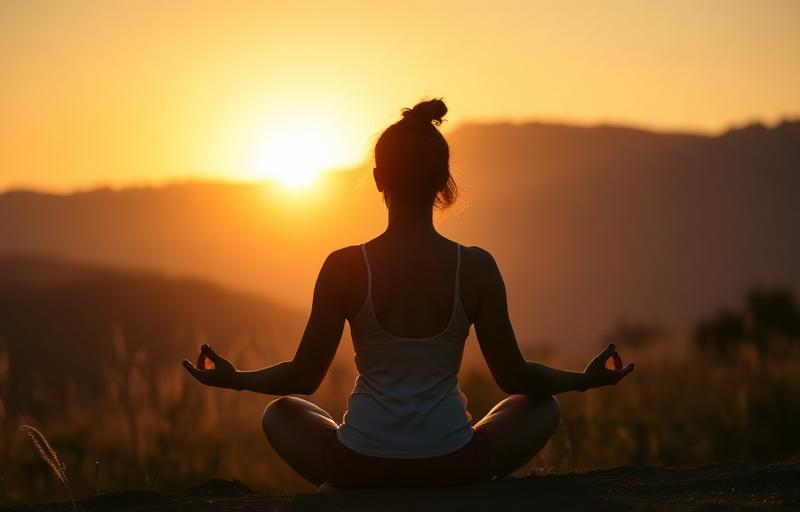
Bhakti can be woven into ordinary life, gently and joyfully:
- Choose an Ishta Devata - a form of God you feel drawn to - and let your love rest there.
- Japa: Repeat the divine name daily on a mala, even a few minutes, with feeling.
- Kirtan and bhajan: Sing the Lord's praises; let the heart soften and open.
- Daily puja: Offer a lamp, flower or simple bhog with love, not as duty alone.
- Read and hear: Spend time with the Gita, Ramayana, Bhagavata or the saints' songs.
- Satsang: Keep the company of devotees; love grows in good company.
- Offer your work: Do every action as a gift to God, releasing the fruit.
The goal is not perfection of ritual but a heart that remembers and loves. Begin where you are, with whatever love you have, and bhakti will grow on its own.
Reader Questions Answered
What is Bhakti Yoga in simple words?+
Bhakti Yoga is the path of reaching God through pure, loving devotion. Instead of relying on hard discipline or sharp intellect, it asks only for a sincere, loving heart that remembers and surrenders to the divine.
What are the nine forms of bhakti?+
The navadha bhakti are shravana (hearing), kirtana (chanting), smarana (remembrance), pada-sevana (service), archana (worship), vandana (prayer), dasya (servitude), sakhya (friendship) and atma-nivedana (self-surrender). Any one, done sincerely, leads to God.
Is Bhakti Yoga only about rituals?+
No. Rituals like puja and japa help, but the heart of bhakti is love and surrender, not the outer form. A simple lamp offered with deep love is greater than an elaborate ritual done without feeling.
Who can practise Bhakti Yoga?+
Anyone. Bhakti is open to all, regardless of learning, age or background, which is why it is called the simplest path. Saints like Mirabai, Tulsidas, Kabir and the Alvars showed that a loving heart is the only true qualification.
About the author
Pandit Ravindra Sharma · Vedic Rituals & Bhakti, 22+ years
Pandit Ravindra is the Vandnaa editorial team's resident specialist on aarti, chalisa, and daily devotion. He has performed home and temple pujas across Varanasi and Delhi for over two decades and contributes the bhakti-focused articles on this site.
Meet the Vandnaa editorial team →