Bhramaramba Devi of Srisailam
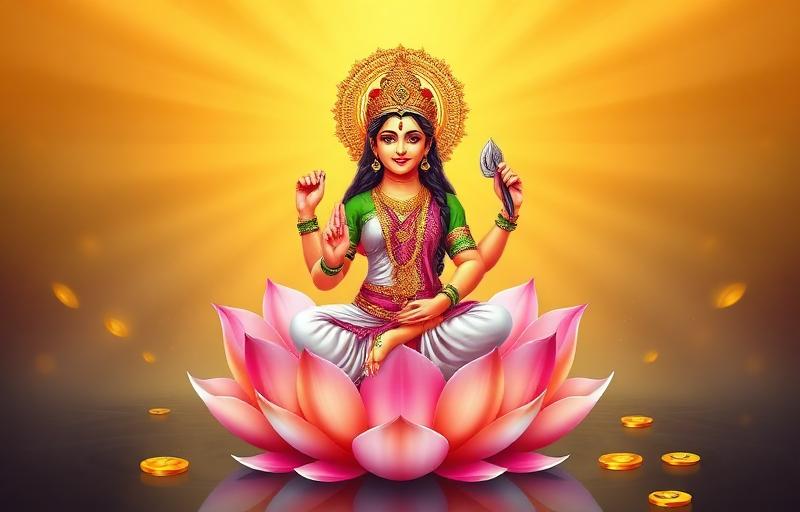
In the Nallamala hills of Andhra Pradesh, on the banks of the Krishna river, stands the sacred town of Srisailam, home to one of the rare sites in India where a Jyotirlinga and a Shakti Peeth are worshipped together within the same temple complex. Here, alongside the Mallikarjuna Jyotirlinga, the Devi is honoured as Bhramaramba.
The name Bhramaramba means the mother in the form of a bhramara, a black bee, a name that comes from one of the most beloved katha of the Devi's valour, in which she took the form of countless bees to protect her devotees and the balance of dharma.
The Katha of the Bee Goddess
According to tradition, a powerful asura named Arunasura performed severe penance and received a boon that he could not be slain by any being with two legs or four legs, believing this would make him invincible. Emboldened, he began to oppress the devas and disturb the sacred order of the world.
To defeat him without breaking the terms of his boon, the Devi took a form outside these limits altogether, transforming herself, along with a vast swarm of bees, into the form of Bhramara. In this form, neither two legged nor four legged, she overwhelmed and slew Arunasura, restoring peace to the three worlds. In gratitude and reverence, she came to be worshipped at Srisailam as Bhramaramba, the mother who protects her children by whatever form necessary.
Significance and What Devotees Pray For
Tradition holds that the neck of Sati fell at Srisailam, making Bhramaramba Devi one of the significant Shakti Peethas of India, uniquely paired here with a Jyotirlinga of Lord Shiva. Devotees believe this rare combination makes Srisailam an especially powerful place of pilgrimage.
Devotees pray to Bhramaramba for protection from unseen dangers, victory over difficulties that seem impossible to overcome, and for the Devi's fierce, protective love in moments of helplessness, echoing her own katha of transforming into an unexpected form to save her devotees.
Darshan Guide: Timings and Festivals
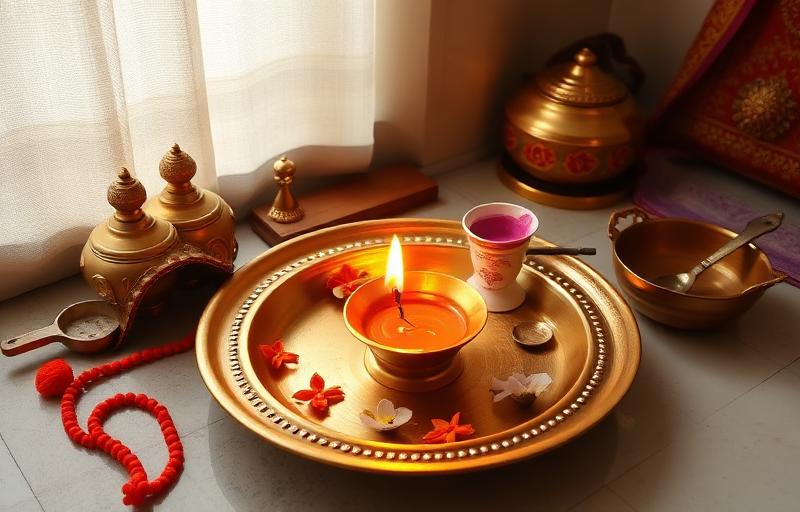
The temple complex follows a full daily schedule of aartis beginning early in the morning, with darshan continuing through the day and special rituals in the evening. As Srisailam is a major pilgrimage centre, it is best to confirm exact timings locally, especially during peak season.
Maha Shivratri is the grandest festival here, drawing enormous crowds due to the presence of the Jyotirlinga, while Navratri is celebrated with equal devotion in honour of Bhramaramba Devi.
How to Reach Srisailam
Srisailam is located in the Nallamala hills of the Kurnool district in Andhra Pradesh. The nearest railway stations are at Markapur Road and Kurnool, from where the temple is reached by road through scenic hill routes.
The nearest major airport is Hyderabad, from where devotees can travel by road to Srisailam, a journey that takes them through forested hill terrain.
Mantra to Chant and Takeaway
Devotees chant Om Bhramarambayai Namah (salutations to Devi Bhramaramba) while offering prayers here, invoking her protective grace alongside the eternal presence of Mallikarjuna.
The katha of Bhramaramba teaches that the Devi's love can take any form necessary, even the smallest and most unexpected, to protect what is right. A pilgrimage to Srisailam, honouring both Shiva and Shakti together, is an act of faith and love, not a transaction.
Frequently Asked Questions
Why is Bhramaramba Devi called the bee goddess?+
According to tradition, the Devi took the form of a bhramara, a bee, along with a vast swarm of bees, to defeat the asura Arunasura, who could not be slain by any two legged or four legged being. This katha gave her the name Bhramaramba.
Is Srisailam both a Jyotirlinga and a Shakti Peeth?+
Yes, Srisailam is one of the rare sites in India where the Mallikarjuna Jyotirlinga and the Bhramaramba Devi Shakti Peeth are worshipped together within the same temple complex.
What do devotees pray for at Bhramaramba Devi Temple?+
Devotees pray for protection from unseen dangers, victory over difficult obstacles, and the Devi's fierce protective grace, inspired by her katha of taking an unexpected form to protect the world.
About the author
Pandit Ravindra Sharma · Vedic Rituals & Bhakti, 22+ years
Pandit Ravindra is the Vandnaa editorial team's resident specialist on aarti, chalisa, and daily devotion. He has performed home and temple pujas across Varanasi and Delhi for over two decades and contributes the bhakti-focused articles on this site.
Meet the Vandnaa editorial team →