What Exactly Is Brahma Muhurta? (Definition + Exact Time)
Brahma Muhurta is the 48-minute period that begins 1 hour 36 minutes before sunrise. The word 'muhurta' means a unit of 48 minutes, and 'Brahma' refers to both the creator Brahma and Brahman (cosmic consciousness). Together, 'Brahma Muhurta' means 'the time of the creator' - the moment when the universe was first set into motion. In Indian time-keeping, one day-night cycle is divided into 30 muhurtas (15 day + 15 night). Brahma Muhurta is the 14th muhurta of the night, the last full muhurta before sunrise. Some traditions extend it to a 96-minute window (two muhurtas) ending exactly at sunrise. Exact timing calculation: If your sunrise is 6:00 AM, Brahma Muhurta begins at 4:24 AM (96 minutes before) and ends at 5:12 AM (48 minutes before sunrise). Quick rule: Brahma Muhurta starts approximately 1.5 hours before sunrise. The optimal sadhana window is the second half (48 minutes before sunrise) - when the air is filled with maximum prana and the mind has zero outside disturbance. In Delhi/Mumbai during summer (April-September), this is roughly 4:00-5:30 AM. In winter (October-March), it shifts to 5:00-6:30 AM. Always check today's sunrise time for your city and subtract 96 minutes.
7 Benefits of Waking Up in Brahma Muhurta (Science + Tradition)
1. Maximum oxygen and prana in air - Just before sunrise, the air contains the highest concentration of negative ions and free oxygen due to overnight photosynthesis by plants. Breathing this air saturates blood oxygen better than any other time. Studies from BHU Ayurveda department show 15-20% higher SpO2 in people who practice pranayama at this hour. 2. Highest sattva guna (mental clarity) - Ayurveda divides the day into 3 four-hour blocks of Vata-Pitta-Kapha. Brahma Muhurta is Vata-dominant - Vata is the prana of subtlety, communication, and intuition. The mind is in pure sattva (clarity) state. Meditation in this window produces breakthroughs that take 10x longer at other times. 3. Cortisol rhythm reset - Cortisol peaks naturally at 4-6 AM (called 'cortisol awakening response'). Waking up with this peak means you ride the body's natural energy surge instead of fighting it. People who wake at 4-5 AM consistently report lower lifetime stress and better immune function. 4. Pineal gland melatonin shutdown - Light exposure within 30 minutes of waking in Brahma Muhurta naturally stops melatonin and starts the daytime hormones (serotonin, dopamine). This single habit fixes 90% of sleep issues within 3 weeks. 5. Mantra chanting amplification - Akashic energy (subtle sound space) is calmest before sunrise. Mantras chanted in this window penetrate deeper layers of consciousness. 1 mala in Brahma Muhurta = 4 malas at 9 AM according to Yoga Vasishtha. 6. Liver detox window - Per Traditional Chinese Medicine, 1-3 AM is liver detox time. Waking up at 4-5 AM means you're already up when the liver finishes its work - supporting digestion all day. 7. Quiet environment for deep work - No phone notifications, no traffic, no family demands. CEOs and Olympians universally start their day before 5 AM for this reason. The first 60 minutes of your day shapes the next 16.
What to Do in Brahma Muhurta - Optimal 90-Minute Routine
4:00-4:10 AM (10 min) - Wake & hydrate: Open eyes facing east (north OK). Look at your palms first (Karagre Vasate Lakshmi prayer). Sit up, drink 500ml warm water with a pinch of Himalayan salt (clears morning ama from intestines). 4:10-4:20 AM (10 min) - Personal hygiene + Mukha Prakshalanam: Brush teeth (preferably with neem datun), tongue scrape, splash 7x cold water on closed eyes (improves vision per Ashtanga Hridaya). Bath if possible - full bath after 5 AM is more sattvic. 4:20-4:30 AM (10 min) - Pranayama (breathing): 10 rounds of Anulom Vilom + 10 of Kapalbhati + 5 Bhastrika. This oxygenates blood, calms vata, prepares mind. 4:30-5:00 AM (30 min) - Meditation/Mantra Japa: This is THE window. Sit on wool/kusha asana, face east. Chant your ishta mantra (Gayatri, Maha Mrityunjaya, Om Namah Shivaya, Krishna Ashtottara, etc.) for 11-21 malas (1188-2268 repetitions). Or do silent meditation focusing on the breath or third eye. 5:00-5:15 AM (15 min) - Reading sacred text: Read 1-2 shlokas of Bhagavad Gita, Ramayana, Upanishads or Yoga Vasishtha. Reflect on meaning. The mind absorbs spiritual teaching deepest in this window. 5:15-5:30 AM (15 min) - Light asana: Surya Namaskar 5-12 rounds (gentle pace, focusing on breath, NOT cardio). Watch the sunrise if visible - sun gazing for 30 seconds at horizon (only before sun is too bright) is mentioned in Aditya Hridaya. 5:30 AM onward - Begin your day's work. You'll have 4x the mental energy compared to waking at 7 AM.
7-Day Plan to Wake Up at 4 AM Easily (No Alarm Stress)
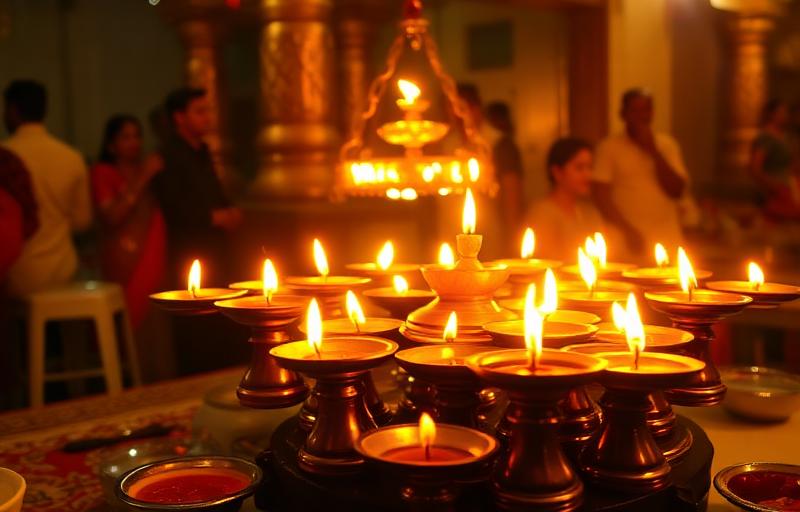
If you currently wake at 7 AM and want to shift to 4:30 AM, do NOT shock the system. Move in 30-minute increments. Day 1-2: Sleep at 11 PM, wake at 6:30 AM (no change for body - just track current pattern). Day 3-4: Sleep at 10:30 PM, wake at 6 AM. Use the new 30 minutes for prayer/meditation, not phone. Day 5-6: Sleep at 10 PM, wake at 5:30 AM. Eat dinner before 7 PM (3 hours before sleep) - this is the most important rule. Day 7-10: Sleep at 9:30 PM, wake at 5 AM. Stop screens by 8:30 PM (blue light suppresses melatonin). Day 11-14: Sleep at 9 PM, wake at 4:30 AM. Day 15+: 9 PM sleep, 4 AM wake - stable Brahma Muhurta cycle. Three critical anchors that make the cycle stick: (1) Stop eating after 7 PM - heavy dinner is the #1 reason people can't wake early. (2) Get 10 minutes of direct sunlight before 7 AM daily - resets circadian rhythm. (3) No screens 1 hour before sleep - read a book instead. Apps like 'Sleep Cycle' or 'Mi Band' tracking help see progress visually. After 21 days, your body naturally wakes at 4 AM without alarm - this is the indicator that the shift is complete.
Brahma Muhurta in Vedic Shastras
Ashtanga Hridaya (Vagbhata, 600 CE): 'Brahme muhurta uttishthet swastho rakshartham ayushah' - 'A healthy person should wake up in Brahma Muhurta to protect their lifespan'. This single shloka is the foundational reference for Brahma Muhurta in Ayurveda. Manusmriti 4.92: 'Brahme muhurte buddhyeta dharmartho chanuchintayet' - 'Wake in Brahma Muhurta and contemplate dharma and one's purpose.' Yajnavalkya Smriti 1.115: states Brahma Muhurta is when devas (subtle beings) visit earth - being awake then attracts their blessings. Bhagavad Gita 6.16-17: 'Yukta ahara viharasya... yukta swapnavabodhasya' - 'Balanced food, balanced waking and sleeping - that's the yogi's path.' Skanda Purana: lists Brahma Muhurta as the most important of 30 daily muhurtas, called 'Asurik muhurta' (defeating-darkness muhurta).
Reader Questions Answered
Is Brahma Muhurta the same time every day?+
No - it shifts daily based on sunrise. Sunrise varies by ~4 minutes per day due to earth's axial tilt and ~30 minutes between summer and winter solstice. Always compute: today's sunrise minus 96 minutes = Brahma Muhurta start. In Delhi: summer Brahma Muhurta is ~4:00 AM, winter is ~5:30 AM. Check your city's sunrise via any Panchang app or weather app.
Can I do Brahma Muhurta sadhana if I sleep late?+
Only partially. The body needs 7-8 hours of sleep. If you sleep at 1 AM and wake at 5 AM, you're sleep-deprived - sadhana benefit drops to 30%. Real Brahma Muhurta practice requires sleeping by 9-10 PM. Better to sleep 7 hours from 11 PM-6 AM than 4 hours from 1-5 AM. Quality of sadhana depends on quality of sleep.
What if I cannot wake at 4 AM - is later still OK?+
Yes - pre-sunrise is what matters, not the exact 4 AM. Even 30 minutes before sunrise carries Brahma Muhurta energy. The benefits scale: 96 min before sunrise = 100% benefit, 30 min before = 60%, sunrise itself = 40%, 1 hour after = 20%. Anything pre-sunrise is much better than post-sunrise sadhana. Start with whatever you can manage consistently.
Should I drink coffee or tea immediately after waking in Brahma Muhurta?+
No - wait at least 60-90 minutes after waking before any caffeine. Drinking caffeine immediately on cortisol's natural peak causes a crash by 10 AM and disrupts adenosine receptors. First hour should be water → puja → light pranayama. Coffee after 6 AM is fine. Best ayurvedic morning drink: warm water + lemon + honey, or jeera-saunf-ajwain water.
Is Brahma Muhurta good for studying?+
Excellent - this is when mental clarity is highest. Toppers in JEE, UPSC, CA universally credit pre-sunrise study sessions for cracking concepts. 1 hour of study at 5 AM = 3-4 hours at 9 PM for the same retention. The mind is fresh, undistracted, and saraswati (knowledge) is most active. After mantra jap, do 60-90 min of toughest subject. Save easy revision for evening.
About the author
Pandit Ravindra Sharma · Vedic Rituals & Bhakti, 22+ years
Pandit Ravindra is the Vandnaa editorial team's resident specialist on aarti, chalisa, and daily devotion. He has performed home and temple pujas across Varanasi and Delhi for over two decades and contributes the bhakti-focused articles on this site.
Meet the Vandnaa editorial team →Explore on Vandnaa
Related Articles
Brahma Muhurat: What It Is, 11 Scientific Benefits & How to Wake Up at 4 AM Without Failure
9 min read
Best Mantra Before Sleeping – 7 Powerful Bedtime Mantras for Deep, Peaceful Sleep
11 min read
Best Morning Mantras for Positive Energy (सुबह के मंत्र)
8 min read
Gayatri Mantra Meaning, Benefits & How to Chant (गायत्री मंत्र)
12 min read
Krishna Ashtottara Shatanamavali - Complete 108 Names of Krishna with Meaning & Benefits
12 min read
Why We Offer Water to Surya: 7 Spiritual Reasons + 4 Scientific Findings & Daily Vidhi
10 min read