What Is Brahmi
Brahmi (Bacopa monnieri) is a small, creeping herb traditionally found near water bodies and marshy ground across India. It has long held a special place in Ayurveda, where its leaves are used to prepare oils, powders and tonics passed down through generations of households.
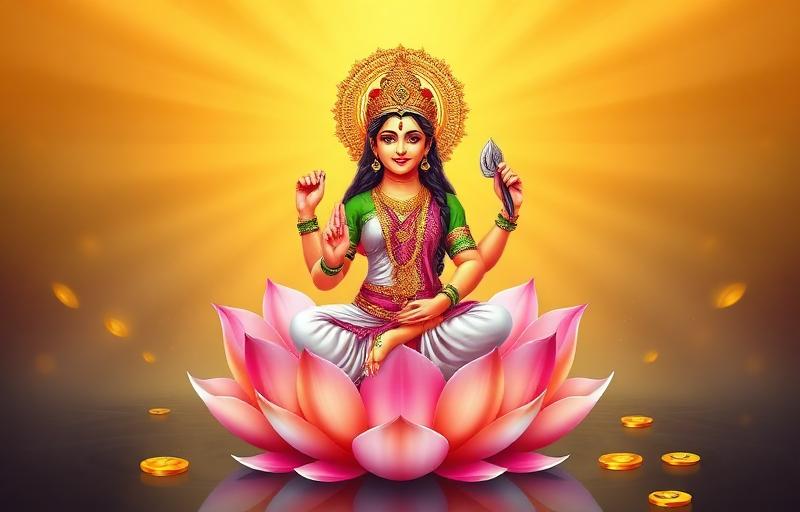
Its name itself carries meaning. In Hindu tradition, Brahmi is understood to be named after Brahma, the creator, and by extension is closely linked with wisdom, memory and the powers of the mind that Brahma's own consort Saraswati is believed to govern.
Its Connection to Brahma and Saraswati
Tradition holds that a herb capable of supporting clarity of thought and memory could only be named after the deity associated with creation and knowledge itself. Devotees often see Brahmi as a small, living reminder of Saraswati's blessings, since both are inseparably tied to learning, speech and the sharpness of the mind.
In some households, students preparing for exams or beginning formal study are given Brahmi in traditional preparations, alongside prayers to Saraswati, treating the herb almost as a physical extension of the goddess's grace rather than a separate remedy.
Traditional Use in Ayurveda
In classical Ayurveda, Brahmi is traditionally classified as a medhya rasayana, a category of herbs understood to support the mind's clarity, memory and calm over time rather than instantly. It is commonly prepared as an oil for the scalp, a powder mixed with milk or ghee, or brewed lightly as part of a herbal routine.
This is traditional usage framing rather than a medical claim. Families that use Brahmi generally do so as part of an inherited daily or weekly habit, trusting the accumulated experience of generations rather than treating it as a cure for any specific condition.
How Brahmi Is Used in Daily Life

- Brahmi oil is traditionally massaged into the scalp, often on a fixed day of the week as part of family routine
- A small measure of Brahmi powder is mixed with warm milk or ghee, particularly during periods of study or mental strain
- Some households keep a Brahmi plant near the tulsi or other sacred plants in the home garden
- Elders often share a quiet prayer of gratitude to Saraswati and Brahma when introducing the herb to children beginning school
These small rituals show how tradition treats the herb not as a mechanical remedy but as something to be received with humility and respect.
Benefits as Understood in Tradition
As per tradition, Brahmi is believed to support calm thinking, steady focus and a peaceful mind, especially valuable during times of study, stress or overstimulation. Devotees see this as fitting, given the herb's name and its long association with Saraswati's domain of learning and clear speech.
As with any traditional herb, these are understood as gentle, long-term supports rather than guaranteed or immediate cures, and are best approached with the same patience tradition asks of all rasayana practices.
A Simple Takeaway for Daily Life
Brahmi's story is a gentle reminder that Hindu tradition sees knowledge itself as sacred, worthy of a plant named after the creator. Caring for the mind with patience, the same way one cares for the body, is part of a well-rounded devotional life.
Using Brahmi with awareness of its traditional roots, and perhaps a quiet thought of gratitude to Saraswati, is an act of faith and love, not a transaction. A clear, calm mind is itself a form of grace worth tending daily.
Frequently Asked Questions
Why is Brahmi named after Brahma?+
Tradition holds that a herb valued for supporting clarity of mind and memory was fittingly named after Brahma, the deity associated with creation and knowledge, and by extension linked to Saraswati's blessings of wisdom.
How is Brahmi traditionally used in Hindu households?+
It is commonly used as an oil massaged into the scalp, a powder mixed with warm milk, or grown near other sacred plants at home, often accompanied by a quiet prayer of gratitude to Saraswati and Brahma.
Is Brahmi's traditional use backed by medical evidence?+
This article describes traditional Ayurvedic and devotional usage framing, not medical claims. Brahmi has been used in households for generations as part of inherited wellness practice alongside whatever care a family already trusts.
About the author
Pandit Ravindra Sharma · Vedic Rituals & Bhakti, 22+ years
Pandit Ravindra is the Vandnaa editorial team's resident specialist on aarti, chalisa, and daily devotion. He has performed home and temple pujas across Varanasi and Delhi for over two decades and contributes the bhakti-focused articles on this site.
Meet the Vandnaa editorial team →