Why Buddha Purnima Is the Most Spiritually Charged Full Moon of the Year
There is only one full moon in the entire year when three cosmic events of a single soul coincide: birth, enlightenment, and final liberation.
That is Buddha Purnima - also called Vaishakh Purnima or Buddha Jayanti.
On this one Purnima 2,500 years ago, Prince Siddhartha was born in Lumbini. On the same tithi, years later, he attained enlightenment under the Bodhi tree in Bodh Gaya. And on this very tithi again, at age 80, he entered Mahaparinirvana in Kushinagar.
Buddha Purnima 2026 falls on Monday, 11 May 2026. Purnima tithi begins at 8:01 PM on May 10 and ends at 10:47 PM on May 11. The most auspicious puja muhurat is between 4:10 AM and 5:30 AM on May 11 (Brahma Muhurat).
What most Hindus don't know: Lord Buddha is counted as the 9th avatar of Lord Vishnu in the Dashavatara - alongside Ram, Krishna and Narasimha. The Srimad Bhagavatam, Vishnu Purana and Gita Govinda all describe him as a Vishnu avatar who came to restore dharma through non-violence.
In this guide you'll learn the exact puja vidhi, the 3 most powerful Buddha mantras, the 5 things you must do on this day, and why chanting on Buddha Purnima gives 1,000x more punya than any other day.
🙏 Don't miss the muhurat - set a free Buddha Purnima reminder in the Vandnaa App so your puja begins at Brahma Muhurat itself.
Buddha Purnima 2026 - Exact Date, Tithi & Shubh Muhurat
Note these timings carefully - Purnima energy peaks only for a specific window.
📅 Date: Monday, 11 May 2026 🕒 Purnima Tithi Begins: 8:01 PM, 10 May 2026 🕒 Purnima Tithi Ends: 10:47 PM, 11 May 2026
Best Puja Muhurat (Brahma Muhurat): 4:10 AM – 5:30 AM (May 11) Abhijit Muhurat: 11:51 AM – 12:45 PM Chandra Darshan Time: After 6:58 PM (moonrise) Satyanarayan Katha Muhurat: 9:00 AM – 11:00 AM
Why this year is especially powerful: Buddha Purnima 2026 coincides with Monday (Somavar) - Lord Shiva's day. This creates a rare Vishnu (through Buddha avatar) + Shiva alignment that Buddhist and Hindu scriptures both call auspicious. Any dharma, daan or meditation done today yields multiplied results.
Avoid during Rahu Kaal (7:30 AM – 9:00 AM): Do not start new ventures or chant mantras in Rahu Kaal - begin puja after 9:00 AM if you miss Brahma Muhurat.
Step-by-Step Buddha Purnima Puja Vidhi at Home
No pandit needed. This complete vidhi takes 20–25 minutes and can be done by anyone at home.
Items needed (Samagri):
- Idol/photo of Lord Buddha (or Vishnu, since Buddha is his avatar)
- White cloth, white flowers (jasmine, lotus preferred)
- Akshat (rice), chandan, kumkum
- Panchamrit (milk, curd, ghee, honey, sugar) + clean water
- Diya with pure ghee, agarbatti (sandalwood preferred)
- Naivedya - kheer, fruits, white sweets
- A small peepal leaf (Buddha attained enlightenment under peepal/Bodhi tree)
Step 1 - Snan & Sankalp (Brahma Muhurat): Wake at 4 AM. Bathe with water mixed with a drop of Ganga jal. Wear white or saffron clothes. Sit facing east and take sankalp: 'On this Buddha Purnima, I worship Bhagwan Buddha, the 9th avatar of Vishnu, for peace, wisdom and liberation of my family.'
Step 2 - Place the Idol: Spread a white cloth on a wooden chowki. Place Buddha idol/photo on it. Place a peepal leaf in front.
Step 3 - Panchamrit Abhishek: Bathe the idol with panchamrit, then clean water. Wipe with a soft white cloth.
Step 4 - Shringaar: Apply chandan tilak. Offer akshat, white flowers and fresh tulsi leaves.
Step 5 - Mantra Jaap: Light the ghee diya and sandalwood agarbatti. Chant the three Buddha mantras given below - at least 108 times on a rudraksha or crystal mala.
Step 6 - Read/Listen to Satyanarayan Katha: Purnima is Satyanarayan (Vishnu) day. On Buddha Purnima it becomes doubly auspicious. Read the 5 chapters with family.
Step 7 - Aarti: Perform 'Om Jai Jagdish Hare' aarti. Offer naivedya (kheer is ideal).
Step 8 - Daan & Seva: Feed a hungry person, donate white clothes or milk, or serve water to passersby. On Buddha Purnima this is the highest punya. Many devotees also donate to Bodh Gaya temple or Buddhist monasteries.
Evening - Moon Puja: After moonrise (~7 PM), offer water (arghya) to the moon while chanting 'Om Chandraya Namah'. Fasting ends after moon darshan.
3 Most Powerful Buddha Mantras to Chant on Buddha Purnima

Chanting on Buddha Purnima multiplies mantra power by 1,000 times as per Vishnu Purana. Pick one mantra and complete 108 jap during Brahma Muhurat.
1. Buddha Moola Mantra (Most Powerful) बुद्धं शरणं गच्छामि। धर्मं शरणं गच्छामि। संघं शरणं गच्छामि॥ Buddham Sharanam Gacchami. Dhammam Sharanam Gacchami. Sangham Sharanam Gacchami.
This is the Triple Jewel mantra (Tri-Ratna) - I take refuge in Buddha, in Dharma, in Sangha. Chanting 108 times removes ego, anger and confusion. The most recommended mantra for householders.
2. Om Mani Padme Hum (Compassion Mantra) ॐ मणि पद्मे हूँ॥ Om Mani Padme Hum
The 6-syllable mantra of Avalokiteshvara Buddha. Each syllable purifies one poison of the mind: pride, jealousy, attachment, ignorance, greed, aggression. Chant 108 times facing east. Said to liberate the chanter from rebirth cycles.
3. Vishnu Mantra (for Hindus worshipping Buddha as Vishnu avatar) ॐ नमो भगवते वासुदेवाय॥ Om Namo Bhagavate Vasudevaya
The 12-letter Vishnu mantra. Since Buddha is Vishnu's 9th avatar, this mantra honours both on Buddha Purnima. Chant 108 times for moksha.
Bonus - Medicine Buddha Mantra (for health): तद्यथा ॐ भैषज्ये भैषज्ये महाभैषज्ये राजा समुद्गते स्वाहा॥ Chant 108 times for healing of any chronic illness. Tibetan Buddhists consider this the strongest healing mantra.
Tip: Use a bodhi seed mala on Buddha Purnima - it is made from the same peepal seeds as the tree under which Buddha got enlightened. Its vibrations are said to be 100x higher on this day.
5 Things You MUST Do on Buddha Purnima for Maximum Punya
1. Observe a Satvik Fast - No onion, garlic, meat, alcohol or grains from sunrise to moonrise. Only fruits, milk, kheer. This is called Phalahar vrat and gives the punya of 100 normal fasts on Buddha Purnima.
2. Feed Birds, Animals & Poor - Ahimsa (non-violence) is Buddha's core teaching. Feed ants (sugar+flour), birds (grains), a stray cow (chapati+jaggery) and at least one hungry person. This generates 1,000x daan-punya.
3. Water a Peepal (Bodhi) Tree - Pour water mixed with milk at the root of a peepal tree, circumambulate 7 times. Peepal is the tree under which Buddha got enlightenment. Doing this on Buddha Purnima removes pitru dosh instantly.
4. Meditate for 30 minutes - Anapanasati (breath meditation) is the method Buddha used. Sit cross-legged facing east, eyes half-closed, watch each breath for 30 minutes. Scriptures say 30 minutes of meditation on Buddha Purnima equals 300 hours on any other day.
5. Give up one negative habit forever - Buddha Purnima is the day of sankalp. Pick one habit (anger, gossip, late sleeping, junk food) and formally give it up as a vow to Buddha. The day's cosmic energy is strong enough to break even 20-year-old patterns.
Bonus - Visit a Vishnu or Buddha temple after sunset and offer a ghee diya. The shubh phal (beneficial effect) lasts for one full year until next Buddha Purnima.
Buddha's Life Teachings and the Deep Connection Between Buddhism and Hinduism
The relationship between Buddhism and Hinduism is one of the most fascinating and often misunderstood in the history of religion. Buddha was not rejecting Hinduism when he began his teaching - he was reforming certain practices he found inadequate, while working entirely within the Indian philosophical framework. Understanding this relationship enriches both traditions.
Siddhartha Gautama's Hindu origins: The historical Buddha (Siddhartha Gautama, born approximately 563 BCE) was a Kshatriya prince from the Shakya clan in what is now Nepal. He was educated in the Vedic tradition, practiced yoga under multiple teachers (Alara Kalama and Uddaka Ramaputta), and his early spiritual education was entirely within Hindu philosophy. The Vedas, Upanishads, and yoga methods were his starting point.
What Buddha retained from Hindu tradition:
- Karma and rebirth: The Buddhist understanding of karma is nearly identical to the Vedic - actions have consequences that extend across lifetimes. Buddha retained this framework completely.
- Meditation: The core practices of dhyana (meditation), samadhi (absorption), and pranayama were inherited from yoga tradition. The eight stages of the Noble Eightfold Path parallel the eight limbs of Patanjali's Ashtanga Yoga.
- Non-violence (Ahimsa): This principle, central to Buddhist ethics, was also a core Vedic value, particularly in the Jain and Upanishadic tradition.
- The goal of liberation: Nirvana (Buddhism) and Moksha (Hinduism) describe the same destination - liberation from the cycle of birth and death - through different philosophical frameworks.
What Buddha explicitly rejected:
- Animal sacrifice in yagna: The Buddha was vocally critical of animal sacrifice in ritual. This critique eventually influenced the Vedic tradition itself - bhakti replaced yagna as the dominant mode of worship.
- Caste-based discrimination: Buddha's sangha (community) explicitly welcomed members of all castes, an egalitarian position that challenged prevailing social structures.
- The permanent Self (Atman): Buddhism's "anatta" (non-self) doctrine differs from Vedanta's assertion of a permanent Atman. This remains the primary philosophical divergence.
The Vishnu avatar connection: Hindu tradition absorbed the historical Buddha by designating him the ninth avatar of Vishnu - a theological move that both honored and reframed Buddhism. This integration reflects Hinduism's characteristic capacity to absorb and recontextualize spiritual movements within its own framework.
Buddhist temples and puja in India: Many Buddhist sites in India - Bodh Gaya, Sarnath, Kushinagar - are also pilgrimage sites for Hindus. The syncretic nature of Indian devotion often transcends sectarian boundaries.
The Vandnaa app includes Buddha Purnima puja guides that honor both the Hindu and Buddhist dimensions of the festival, with meditations drawn from both traditions.
Buddha Purnima Meditation Practices: Metta Bhavana and Mindfulness for Hindu Devotees
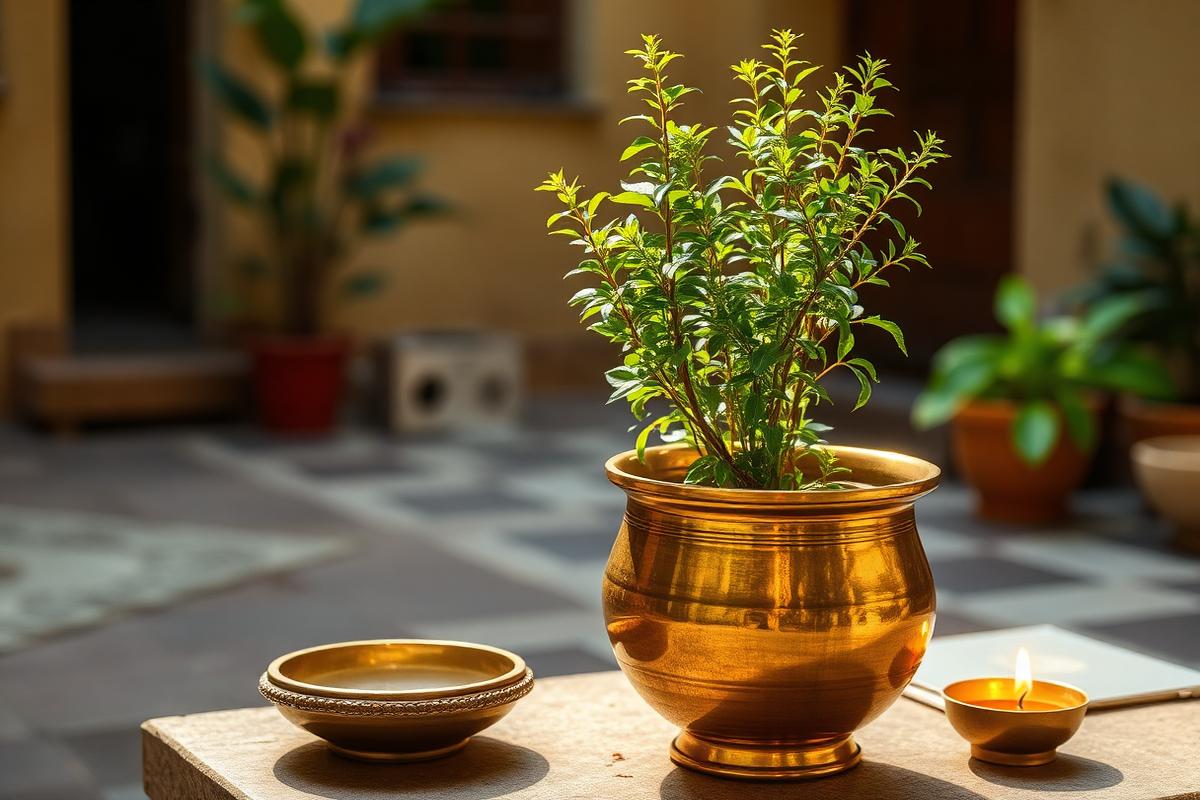
Buddha Purnima is the ideal day to incorporate meditation into your spiritual practice - drawing on both the Buddhist mindfulness tradition and the Hindu dhyana (meditation) tradition, which share deep roots. Here is a complete meditation practice appropriate for Buddha Purnima.
Morning metta bhavana (loving-kindness meditation): Begin with 15-20 minutes of metta - the classical Buddhist practice of cultivating unconditional goodwill toward all beings. Sit comfortably, spine straight. Close your eyes and begin:
Phase 1 - Self compassion (5 minutes): Silently wish: "May I be happy. May I be peaceful. May I be free from suffering. May I live with ease." Feel genuine warmth toward yourself.
Phase 2 - A beloved person (3 minutes): Bring to mind someone you love easily. Direct the same wishes toward them. Feel the warmth expand.
Phase 3 - A neutral person (3 minutes): Think of someone you neither like nor dislike. Direct the same wishes.
Phase 4 - A difficult person (3 minutes): Think of someone with whom you have conflict. Direct the same wishes without forcing feeling - simply the sincere wish for their freedom from suffering.
Phase 5 - All beings (3 minutes): Expand the radius infinitely - all beings in all directions. "May all beings be happy. May all beings be free."
Vipassana-style breath awareness (20 minutes): Following metta, shift to simple breath awareness. Observe the sensation of breath at the nostrils - the slight coolness of the inhale, the slight warmth of the exhale. When the mind wanders (it will), gently, without judgment, return to the sensation. This is vipassana - insight through direct observation. The insight that arises is that the mind constantly moves; beneath the movement, awareness itself is still.
Hindu dhyana on the full moon (5-10 minutes): Close the session by shifting to Hindu moon contemplation. Full moon (Purnima) is considered the time when the lunar energy (associated with the mind) is at its peak. Visualize the full moon as a symbol of the enlightened mind - luminous, cool, perfect. Chant "Om Som Somaya Namaha" 11 times while holding this visualization.
The Vandnaa app's Buddha Purnima special: The app provides a guided 45-minute Buddha Purnima meditation session combining metta, breath awareness, and a closing Hindu mantra - available on the festival day with reminders.
Daily life application of Buddha's core teachings:
- Anicca (impermanence): Notice 3 things each day that have changed. This contemplation reduces attachment.
- Dukkha (suffering exists): Acknowledge difficulty without dramatizing it or denying it.
- Anatta (non-self): When you feel hurt by criticism, ask: "Who exactly is being hurt?" Investigate.
- The middle path: Between excessive indulgence and excessive asceticism - find the sustainable, balanced path in all areas.
These Buddhist teachings, practiced within the context of Hindu devotion, create a rich, complete spiritual life that honors both traditions from which they spring.
Frequently Asked Questions
Is Buddha Purnima a Hindu or Buddhist festival?+
Both. Buddhists celebrate it as Vesak - marking Buddha's birth, enlightenment and mahaparinirvana. Hindus celebrate it as the birthday of Vishnu's 9th avatar (mentioned in Srimad Bhagavatam and Vishnu Purana). In India it is a government holiday and is celebrated by both communities together - especially at Bodh Gaya, Sarnath and Kushinagar.
Can I keep the Buddha Purnima fast if I am not a Buddhist?+
Yes, absolutely. Buddha Purnima is also Vaishakh Purnima - one of the most auspicious Hindu purnimas. Observing a satvik fruit-only fast, chanting Om Namo Bhagavate Vasudevaya 108 times, and performing Satyanarayan Katha is a complete Hindu vrat on this day. Fasting till moonrise is the tradition.
What should I NOT do on Buddha Purnima?+
Avoid eating onion, garlic, meat, eggs, alcohol or tobacco. Do not cut hair, nails or shave. Do not speak harsh words or lie. Do not kill any insect or animal - even accidentally. Do not buy or wear black clothes. Do not start legal battles or take any violent action. Buddha Purnima is about ahimsa and sankalp.
About the author
Acharya Vinaya Kapoor · M.A. Sanskrit, Mantra & Stotra Studies
Acharya Vinaya holds an M.A. in Sanskrit from Banaras Hindu University and writes the mantra and stotra commentary on Vandnaa. Her focus is on accurate pronunciation, traditional context, and helping modern readers connect with classical texts.
Meet the Vandnaa editorial team →