Chandrabadni: An Ancient Seat of Shakti
On a hilltop in Tehri Garhwal district, offering views across the surrounding ranges, stands the ancient Chandrabadni Devi Temple, revered as one of the important Siddha Shakti Peeths of the Himalayas.
Unlike many temples, the Devi here is worshipped in an aniconic form, without an elaborate idol, in keeping with a very old tradition of temple worship where the sacred power itself, rather than any single image, is the focus of devotion.
The Legend of Sati at Chandrabadni
Local tradition holds Chandrabadni to be one of the sites connected with the ancient legend of Devi Sati, who ended her own life at her father Daksha's yagna after he insulted Lord Shiva.
Her form, as Shiva carried it across the heavens in grief, is believed to have touched this hill and sanctified it forever as a seat of the Devi. Pilgrims regard the site's remote, windswept setting as fitting for a legend of such sorrow and devotion.
Significance and How Devotees Worship
Devotees travel to Chandrabadni to seek the Divine Mother's protection, strength in difficult times and blessings for their families, considering the aniconic worship here a reminder that the Devi's power transcends any single form.
The climb to the temple, whether on foot from the base or by a shorter walk from the nearest motorable point, is itself treated by many pilgrims as an offering. Navratri is the most significant time to visit, when the hill sees a steady stream of devotees.
Darshan Timings and How to Reach
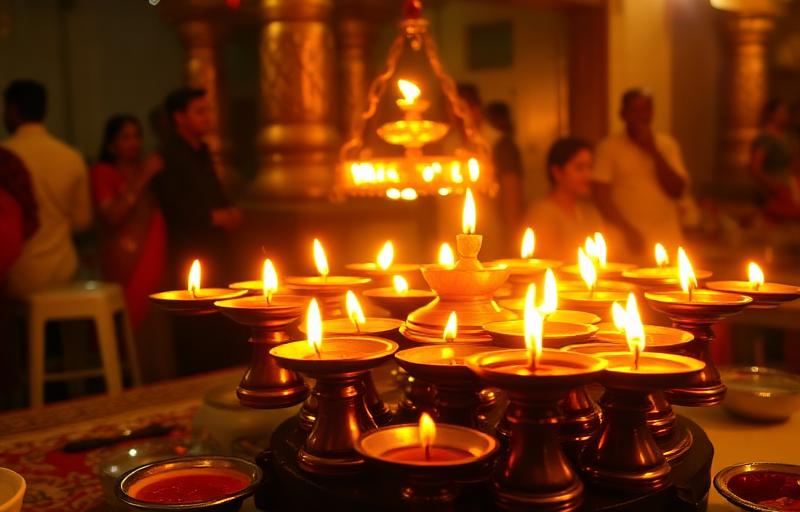
The temple is open through daylight hours for darshan, and pilgrims are advised to plan the climb with enough time to descend before dark given its hilltop, forested setting.
Chandrabadni Devi Temple lies in Tehri Garhwal district, reachable by road from Tehri town or via Kandisaur, followed by a walk of the final stretch to the summit. The nearest railway station is Rishikesh, and the nearest airport is Dehradun (Jolly Grant), from where the journey continues into the Tehri hills.
Mantra and a Devotee's Takeaway
Pilgrims chant Om Aim Hreem Kleem Chamundaye Vichche or simply Jai Chandrabadni Mata Ki as they climb toward the sanctum.
Chandrabadni teaches its visitors a gentle truth, that the Divine Mother needs no grand form to be felt, only a sincere heart willing to make the climb. Worship here is an act of faith and love, not a transaction.
What People Ask Most
Why is the deity at Chandrabadni worshipped without an idol?+
The temple follows an ancient aniconic tradition where the Devi's power is worshipped directly rather than through a conventional image, a practice devotees see as a reminder that her presence transcends form.
Is Chandrabadni considered a Shakti Peeth?+
Yes, local tradition regards it as one of the Siddha Shakti Peeths of the Himalayas, connected with the legend of Devi Sati.
When should I visit Chandrabadni Devi Temple?+
Navratri is especially auspicious, though pilgrims visit through the year outside heavy monsoon and winter snow, planning the climb to descend before dark.
About the author
Pandit Ravindra Sharma · Vedic Rituals & Bhakti, 22+ years
Pandit Ravindra is the Vandnaa editorial team's resident specialist on aarti, chalisa, and daily devotion. He has performed home and temple pujas across Varanasi and Delhi for over two decades and contributes the bhakti-focused articles on this site.
Meet the Vandnaa editorial team →