What is Chappan Bhog
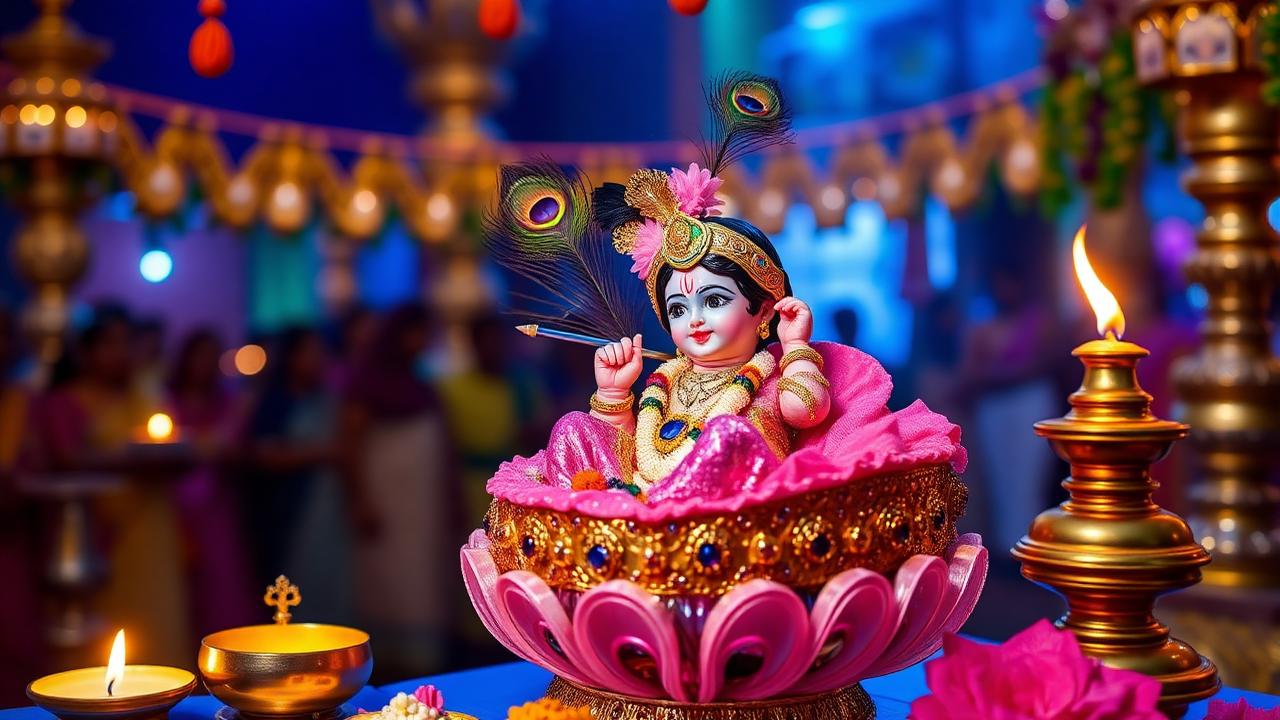
Chappan Bhog literally means an offering of fifty-six items, chappan being the Hindi word for 56. It is the grandest food offering made to Lord Krishna, an overflowing thali of grains, sweets, fruits, drinks and savouries arranged lovingly before the deity. The tradition treats food offered to the Lord not as mere cooking but as naivedya, a gift of love that the Lord accepts and returns as prasad, blessed food that sanctifies everyone who receives it. In a Chappan Bhog, every category of taste finds a place, sweet, salty, tangy, mild and rich, because devotion offers the Lord the fullness of life, not a single flavour. Temples in Mathura, Vrindavan, Nathdwara and Jagannath Puri are famed for their elaborate chappan bhog darshans, where the food is stacked in beautiful tiers, often arranged in the form of Govardhan hill itself.
The Story Behind 56 - Krishna's Seven Days Under Govardhan
The number 56 carries a tender story. In Braj, mother Yashoda lovingly fed young Krishna eight meals a day, ashta prahar bhog, one for each watch of the day. When Indra, angered that the Brajwasis worshipped Govardhan hill instead of him, sent torrential rains upon Braj, young Krishna lifted Govardhan parvat on the little finger of His left hand and sheltered the entire village beneath it for seven days and seven nights. Through all seven days the Lord stood without eating a single meal, fully absorbed in protecting His devotees. When the rains ceased and Indra's pride dissolved, the grateful Brajwasis counted the meals their beloved Kanha had missed, eight meals for seven days, fifty-six in all, and prepared every one of them in a single overflowing offering. That first offering of love became the tradition of Chappan Bhog, repeated ever since wherever Krishna is worshipped.
What the 56 Items Typically Include
Lists vary by region and temple, but the 56 items traditionally span five loving groups. 1. Grains and cooked food (anna) - rice, khichdi, dal, kadhi, puri, paratha, baati and seasonal sabzis. 2. Sweets (mishthan) - makhan mishri, kheer, rasgulla, jalebi, ladoo, ghewar, peda, barfi, malpua, rabri and mohan bhog, with makhan mishri holding the place of honour as Kanha's favourite. 3. Fruits and dry fruits (phal and meva) - banana, apple, pomegranate, seasonal fruits, almonds, cashews and raisins. 4. Drinks (peya) - cow's milk, chhachh (buttermilk), sweet lassi, sikanji and fragrant kesar doodh. 5. Savouries and accompaniments - namkeen, pakora, papad, chila, pickles, chutneys, til-gud preparations and saunf as mouth freshener. The arrangement also follows taste order in many temples, milk items nearest the Lord, then sweets, grains, savouries and last the tangy items, mirroring the courses of a royal feast.
When is Chappan Bhog Offered - Annakut, Janmashtami and More
The grandest Chappan Bhog of the year is offered on Govardhan Puja, the day after Diwali, when the offering is heaped into the form of a mountain and called Annakut, literally a mountain of food. This directly commemorates the Govardhan story, and temples across Braj and the world recreate it with hundreds of dishes. Janmashtami, the Lord's birthday, is the other great occasion, when devotees celebrate the midnight birth of Kanha with chappan bhog after the abhishek. Many families also offer it on Nand Utsav, the joyous day after Janmashtami, on special occasions like a child's first birthday in Krishna-devoted homes, or simply as a vow of gratitude (manauti) fulfilled. There is no restriction of date for love, but offering it on Annakut or Janmashtami, after checking the festival dates on the Vandnaa Panchang, connects your home directly to the living rhythm of Braj.
The Nathdwara Tradition of Chappan Bhog
At Shrinathji temple in Nathdwara, Rajasthan, the chappan bhog reaches its most refined form. Shrinathji is worshipped as the seven-year-old Krishna who lifted Govardhan, and the Pushtimarg tradition founded by Shri Vallabhacharya serves Him as a living child, with ashta prahar seva through the day. On special occasions the temple arranges a magnificent Chappan Bhog Manorath, where the 56 items are laid out in prescribed order before the Lord, accompanied by kirtan in the haveli style. Devotees often sponsor this manorath as an act of lifetime devotion. The Nathdwara kitchens are legendary, and their preparations like thor, magas and mathri travel home with pilgrims as prized prasad. This tradition reminds home devotees that bhog is not about scale but about seva bhav, treating the Lord as the most beloved member of the family.
How to Offer a Simplified Chappan Bhog at Home
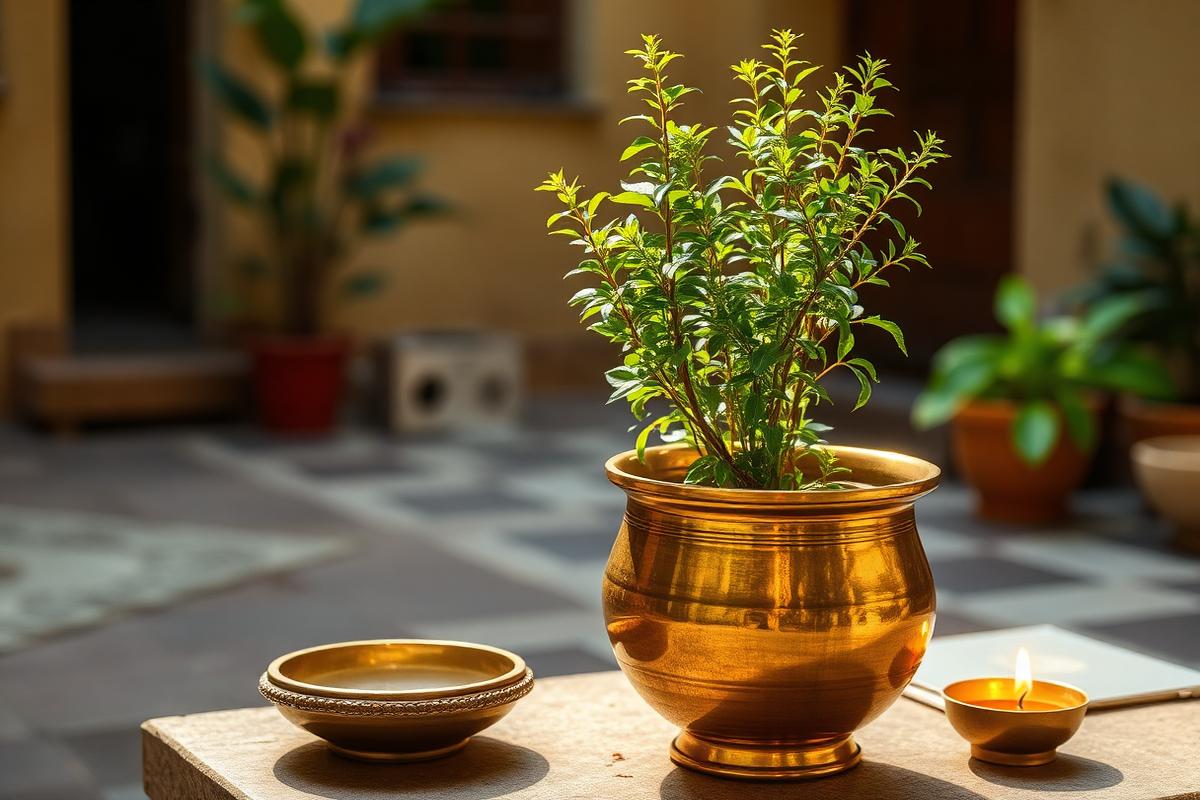
A home devotee need not prepare 56 elaborate dishes. The tradition warmly accepts a representative offering made with a pure heart. 1. Clean and prepare - Clean the kitchen and mandir, bathe, and cook in clean clothes without tasting anything while cooking. 2. Choose items from each group - Prepare a few items from each of the five groups, perhaps kheer, makhan mishri, a sabzi-puri, fruits, dry fruits and a glass of milk. Many homes make up the count of 56 with mishri pieces, fruits, nuts and tulsi-touched water. 3. Always add tulsi - Place a fresh tulsi leaf on the offering, as Krishna accepts no bhog without it. 4. Offer with the mantra - Place the thali before the deity and pray: त्वदीयं वस्तु गोविन्द तुभ्यमेव समर्पये (Tvadiyam vastu Govinda tubhyameva samarpaye), O Govinda, what is Yours I offer back to You. 5. Allow the Lord to accept - Cover the thali and wait a few minutes with a curtain drawn or eyes closed in prayer. 6. Distribute as prasad - Share the bhog among family, neighbours and the needy without wasting any portion.
Bhog Etiquette - The Loving Rules of Offering
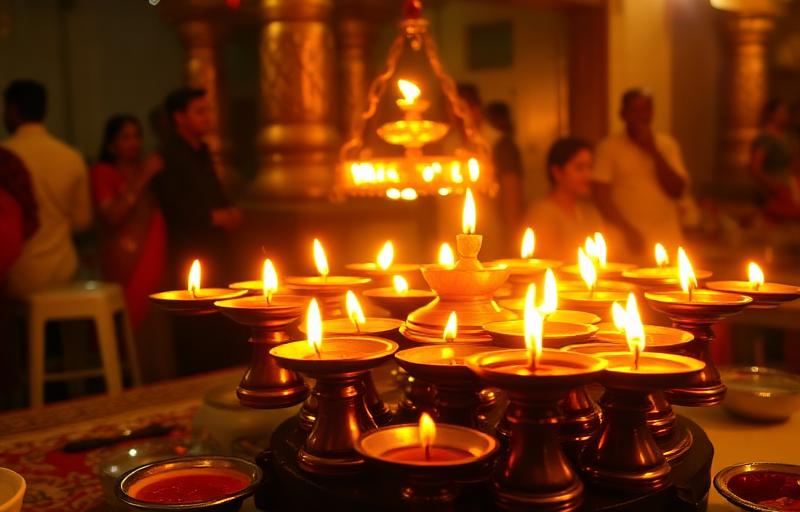
Certain timeless courtesies govern every bhog, whether one dish or fifty-six. The food must be sattvik, prepared without onion and garlic, and never tasted before it is offered, for the first taste belongs to the Lord. Cook with a calm, devotional mind, many traditions encourage chanting Krishna's name while cooking. Use clean utensils kept apart for bhog where possible, and serve on a fresh thali or banana leaf rather than directly from cooking vessels. Offer water alongside the food, and place tulsi on each preparation or at least on the main item. Never offer food during an eclipse period or food that is stale, leftover or brought from impure circumstances. After the offering, the food becomes mahaprasad and must be received with respect, accepted in the right hand, never refused, and never thrown away. These small disciplines transform a meal into seva and the kitchen itself into a temple.
What People Ask Most
Why are exactly 56 items offered in Chappan Bhog?+
Mother Yashoda fed young Krishna eight meals a day. When He lifted Govardhan hill for seven days and nights to protect Braj from Indra's rains, He ate nothing. The grateful Brajwasis offered all the missed meals together, eight meals for seven days, which makes fifty-six. That first offering of gratitude became the Chappan Bhog tradition.
What is the difference between Chappan Bhog and Annakut?+
Chappan Bhog refers to the offering of 56 items to Krishna on any occasion. Annakut, meaning mountain of food, is the special form of this offering made on Govardhan Puja, the day after Diwali, when the food is heaped like a hill to commemorate Govardhan parvat. Every Annakut is a chappan bhog or larger, but chappan bhog can be offered on other days too.
Can I offer Chappan Bhog at home with fewer items?+
Yes, wholeheartedly. The tradition values bhav over scale. Prepare a few sattvik items from each group, sweets, grains, fruits, a drink and a savoury, and complete the count symbolically with mishri pieces, fruits and dry fruits if you wish. Place tulsi on the offering and present it with love. Krishna accepted Vidura's simple greens and Sudama's poha with equal joy.
Why is tulsi necessary in bhog offered to Krishna?+
Tulsi is supremely dear to Lord Vishnu and Krishna, honoured as a goddess and a beloved devotee. The tradition holds that the Lord does not accept naivedya without a tulsi leaf upon it, and that a single fresh tulsi leaf sanctifies the entire offering. Place one leaf on the main dish or on each item, plucked respectfully before sunset and never on Ekadashi or Sundays in many family traditions.
Which sweets are considered Krishna's favourites in the bhog?+
Makhan mishri, fresh white butter with rock sugar, holds the first place, beloved of the makhan chor of Braj. Kheer, peda, malpua, rabri, mohan bhog and laddoo follow closely. Milk-based preparations are especially cherished because of Krishna's bond with the cows of Braj. Whatever you offer, a small bowl of makhan mishri completes the bhog beautifully.
What should be done with the Chappan Bhog after the offering?+
After the Lord has accepted the offering, the food becomes mahaprasad. Distribute it generously among family members, neighbours, guests and the needy. Nothing should be wasted or thrown away. Receiving prasad in the right hand with a bowed head, and sharing it rather than keeping it all, completes the circle of the offering and spreads the Lord's blessing to many.
About the author
Pandit Mahesh Trivedi · Festival Traditions & Panchang
Pandit Mahesh leads the festival-date and Panchang content on Vandnaa. He cross-references multiple regional panchangs (Drik, Vaishnava, Bengali, Marathi) for every festival date published on the site.
Meet the Vandnaa editorial team →