What is Adi Shankara's Char Dham? The Original 4
Adi Shankaracharya (788-820 CE) was the greatest unifier of Hindu philosophy. Born in Kerala, he traveled the entire Indian subcontinent in his short 32-year life, establishing 4 'Mathas' (monasteries) at 4 cardinal corners of India. Each matha is built next to a major existing temple - together these 4 corner-temples form the 'Char Dham' (4 abodes). The 4 dhams of Adi Shankara: 1. Puri (East) - Jagannath Temple, Odisha. Deity: Lord Jagannath (Krishna form). 2. Rameshwaram (South) - Ramanathaswamy Temple, Tamil Nadu. Deity: Lord Shiva (Ramanatheshwar). 3. Dwaraka (West) - Dwarakadhish Temple, Gujarat. Deity: Lord Krishna (Dwarakadhish). 4. Badrinath (North) - Badrinarayan Temple, Uttarakhand. Deity: Lord Vishnu (Badrinarayan). Why Adi Shankara established these specifically: 1. Geographic unification - by setting up dhams at the 4 corners (East-West-North-South), he created a 'spiritual map' of India. Visiting all 4 means traversing the entire subcontinent. 2. Philosophical unification - at each matha, he established a school of Advaita Vedanta teaching, ensuring his non-dual philosophy reached every corner. 3. Cultural integration - South Indians visiting Badrinath, North Indians visiting Rameshwaram broke down regional Hindu sub-cultural barriers. The yatra creates pan-Indian Hindu identity. The 4 mathas (monasteries) still active today: 1. Govardhan Matha at Puri - current Shankaracharya: Nischalananda Saraswati. 2. Sringeri Sharada Peetham (near Rameshwaram) - current: Bharati Tirtha. 3. Sharada Matha at Dwaraka - current: Swami Sadanand Saraswati. 4. Jyotir Matha at Badrinath - current: Swami Avimukteshwaranand. Each matha has unbroken lineage from Adi Shankara - about 1200 years of continuous Shankaracharya succession. Visiting all 4 Char Dhams in one lifetime is considered the supreme Hindu spiritual achievement - more karmic merit than any single grand yajna. Many devotees plan it as a lifetime project (one dham every few years) due to the geographic distance.
Deep Dive into Each Dham
1. PURI - Jagannath Temple (East, Odisha): One of the most powerful Vishnu temples in India. Unique features: Lord Jagannath's idol is made of WOOD (not stone/metal) and is REPLACED every 12-19 years in the Nabakalebara ceremony - symbolic of cosmic regeneration. The idol's eyes are large, round, and unmistakable. Famous for the annual Rath Yatra (June-July) where the deity 'travels' in a giant chariot - millions of pilgrims attend. Best darshan: 5-6 AM (mangala aarti) or 10-11 PM (badi sringar). Mahaprasad (the temple food) is considered the most powerful prasad in India - never spoils, scientifically defies normal food chemistry. Cost from major cities: Rs.15,000-25,000 for 3-4 day trip. 2. RAMESHWARAM - Ramanathaswamy Temple (South, Tamil Nadu): One of 12 Jyotirlingas, also a Char Dham. Located on Rameshwaram island, accessible via Pamban Bridge. The temple was established by Lord Rama himself - after killing Ravana, Rama wanted to atone for killing a Brahmin (Ravana was Brahmin by birth). He installed a shivling here. Famous feature: 22 sacred wells (Theertham) inside the temple, each with different healing properties. Pilgrims bathe in all 22 in sequence - purifying ritual. The temple has the world's longest corridor (1,212 meters long). Cost: Rs.20,000-35,000 for 4-day trip from major cities. 3. DWARAKA - Dwarakadhish Temple (West, Gujarat): Krishna's kingdom on the Arabian Sea coast. The original Dwaraka (Krishna's actual capital) was submerged underwater (archaeologically verified by ASI in 1980s). The current temple stands where Krishna's grandson Vajranabha originally built it. Spectacular sunset views over the Arabian Sea make Dwaraka uniquely beautiful. Best time: October-February. Don't miss: Nageshwar Jyotirlinga (one of 12 Jyotirlingas, 15km away), Bet Dwaraka (another island, Krishna's residential palace area). Cost: Rs.20,000-35,000 for 4-day trip. 4. BADRINATH - covered in Uttarakhand Char Dham guide. Same temple, dual significance - included in both Char Dham circuits. Combined cost for all 4 Adi Shankara Char Dham: Approximately Rs.1,50,000-3,00,000 if done in 4 separate trips over 1-2 years (most realistic). Doing all 4 in one 30-45 day trip = Rs.2,50,000-5,00,000 but emotionally and physically exhausting.
Ideal Lifetime Pilgrimage Plan
Realistic approach: One dham per year over 4 years. This allows preparation, savings, and full immersion at each dham. Suggested order: Year 1 - Puri (easiest logistics, no altitude, family-friendly). Year 2 - Dwaraka (combined with Somnath Jyotirlinga). Year 3 - Rameshwaram (combined with Madurai Meenakshi temple, Tirupati). Year 4 - Badrinath (with Uttarakhand Char Dham). Cumulative experience builds: each dham deepens your spiritual understanding before the next. Best months per dham: Puri - June-August (Rath Yatra) or November-February (pleasant weather). Rameshwaram - October-March (avoid monsoon and intense summer). Dwaraka - November-February (best weather). Badrinath - May-October (only open period). Pre-trip preparation (1 month before each yatra): 1. Read about the specific deity and temple history. 2. Daily mantra of that deity (Jagannath/Krishna mantras for Puri, Shiva mantras for Rameshwaram, Krishna for Dwaraka, Vishnu/Narayan for Badrinath). 3. Vegetarian diet 7 days before travel. 4. Light fast on day before darshan. 5. Take sankalpa: 'I, [name], on this [tithi], undertake yatra to [dham] for [purpose] and to seek blessings of [deity]'. What to bring back from each: 1. Puri - Nirmala (dried Mahaprasad rice from Jagannath temple, lasts years). 2. Rameshwaram - sacred water (rich in healing minerals from the 22 wells). 3. Dwaraka - small Shaligram stone (Krishna's footprint stone). 4. Badrinath - Tulsi leaves (Badri Tulsi, only grows there) and Saligram. The transformation expected: By the time you complete all 4 over years/lifetime, your spiritual maturity is at a different level. The pilgrimage isn't tourism - it's a karmic restructuring. Many devotees report life-changing realizations at each dham. Plan with full devotion and intent.
Special Blessings + Modern Controversies
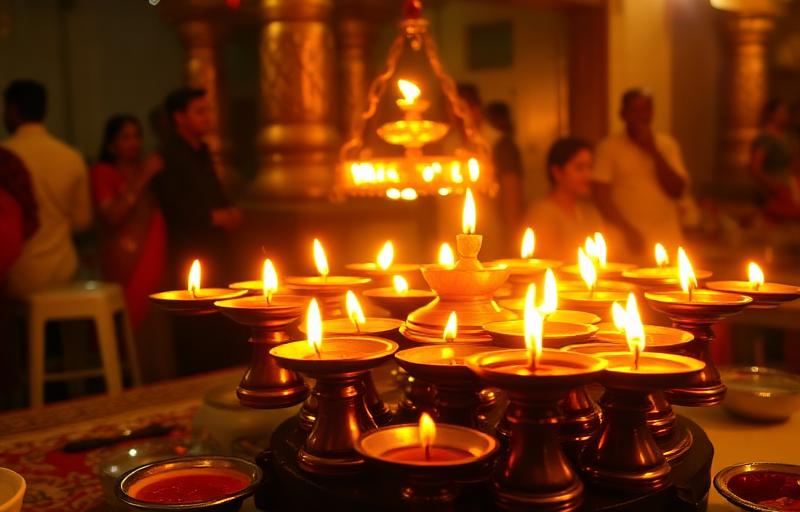
Special blessings of completing all 4: 1. Removal of 7 generations of family karma (per Garuda Purana). 2. Direct moksha consideration - souls who complete Char Dham are considered for liberation at death. 3. Family prosperity lasting 3 generations. 4. Ancestors' liberation - performing pind daan at each dham (especially Badrinath) liberates ancestors stuck in Pitra Loka. 5. Removal of curses and dosha - any major dosha (Pitra, Kaal Sarp, severe Shani) gets neutralized. 6. Auspicious karma for next births - your samskaras carry forward, making future lives spiritually inclined. 7. Cosmic name recognition - your name gets recorded in the cosmic 'pilgrim register' (per Vedic understanding). Modern controversies: 1. Mass tourism vs spiritual yatra - increasing crowds dilute the sacred atmosphere. Spiritual purists prefer off-season visits despite weather. 2. Commercialization of dharma - VIP darshan tickets (Rs.500-5000 for skip-the-line) feel un-spiritual to many. 3. Climate change impact - Badrinath/Kedarnath glaciers retreating; Gangotri's source moved 1km in 50 years. 4. Environmental damage - plastic waste, helicopter noise pollution, road construction harming Himalayas. 5. Caste-based access controversies - Jagannath temple historically restricts non-Hindus; some debate this. Best practices: 1. Go in off-season - slightly worse weather, but actual spiritual experience. 2. Travel light, leave no trace. 3. Don't take VIP tickets unless absolutely necessary. 4. Donate generously at each temple. 5. Stay 2+ days at each dham - don't rush in/out same day. 6. Practice silence for first hour at each darshan. 7. Bring back the spirit - not just physical mementos. Live the dham's energy in your daily life forever after.
Reader Questions Answered
Is it OK to do just one dham instead of all four?+
Absolutely. Each dham individually grants major spiritual merit. Doing one (especially Badrinath or Puri) with full devotion is better than rushing through all 4 with checklist mentality. Many devotees never complete all 4 in their lifetime - that's fine. Quality of darshan > quantity. However, those who CAN complete all 4 should aim for it - it's a unique karmic achievement.
Can foreigners / non-Hindus visit Jagannath Puri temple?+
Currently NO - Jagannath Puri temple historically restricts entry to Hindus only. This is the only major Indian temple with this strict policy (Rameshwaram, Dwaraka, Badrinath welcome all). Foreigners can view from outside or take darshan from Singhadwar (lion's gate) entrance. The restriction is debated - Indira Gandhi was once refused entry due to mixed marriage. Modern reform movements seek to lift this; for now, the policy remains.
Should I do all 4 in one trip or spread across years?+
Spread across years (recommended for 95% of devotees). One-trip Char Dham yatra is 30-45 days, exhausting physically/mentally, and you can't absorb each dham's energy properly. Sannyasis and dedicated pilgrims do single-trip; householders are better off planning 1 dham per 1-2 years. Each dham deserves 3-5 days of immersion. The journey is the destination - not just collecting visits.
What's the best time of life to do Char Dham?+
Traditional view: after 50 (Vanaprastha stage - post-retirement, before sannyasa). Modern view: any age once you have means and time. Younger devotees (20s-30s) benefit from physical ease + early spiritual conditioning. Middle-age (40s-50s) is most common - wisdom + still physical capability. Elderly (60s+) need health planning but get the deepest spiritual reward. Children should go at 10+ for memory formation. The 'right' age is when YOU feel called.
About the author
Pandit Ravindra Sharma · Vedic Rituals & Bhakti, 22+ years
Pandit Ravindra is the Vandnaa editorial team's resident specialist on aarti, chalisa, and daily devotion. He has performed home and temple pujas across Varanasi and Delhi for over two decades and contributes the bhakti-focused articles on this site.
Meet the Vandnaa editorial team →Explore on Vandnaa
Related Articles
Char Dham Yatra (Uttarakhand) - Badrinath, Kedarnath, Gangotri, Yamunotri Complete Guide
10 min read
Krishna Ashtottara Shatanamavali - Complete 108 Names of Krishna with Meaning & Benefits
12 min read
Shiva Ashtottara - 108 Names of Lord Shiva with Meaning, Benefits & Daily Jap Vidhi
12 min read
Pitra Dosha - 7 Symptoms, Real Causes & Powerful Remedies (Complete Guide)
11 min read