What is Char Dham? The Four Sacred Abodes
Char Dham (चार धाम) literally means 'four abodes' - four sacred Himalayan shrines in Uttarakhand that every Hindu should visit at least once in their lifetime. These are not just temples - they're considered the gateways to moksha (liberation), and completing the yatra is believed to dissolve a significant portion of accumulated karma. The four dhams (in traditional clockwise pilgrimage order): 1. Yamunotri - Source of Yamuna river, in Uttarkashi district. Deity: Goddess Yamuna. Altitude: 3,293m. 2. Gangotri - Source of Ganga river, in Uttarkashi district. Deity: Goddess Ganga. Altitude: 3,100m. 3. Kedarnath - Sacred Shiva shrine, one of 12 Jyotirlingas. In Rudraprayag district. Altitude: 3,583m. 4. Badrinath - Sacred Vishnu shrine. In Chamoli district. Altitude: 3,300m. Why this order: Adi Shankaracharya prescribed this circuit in 8th century. The geographic logic - Yamunotri is westernmost, then progress eastward to Badrinath (easternmost). The spiritual logic - start with the rivers (life-givers), then visit the destroyer (Kedarnath/Shiva), then the preserver (Badrinath/Vishnu). Open dates: All four dhams open only 6 months a year - late April/early May to late October/early November. Closed during winter (heavy snow makes access impossible). Opening day varies year to year based on tithi calculations by temple priests. 2026 opening dates (approximate): Yamunotri - May 2-3, Gangotri - May 2-3, Kedarnath - May 8-9, Badrinath - May 11-12. Closing: Yamunotri - Diwali (Oct 27, 2026), Gangotri - Bhai Dooj (Oct 31), Kedarnath - Bhai Dooj, Badrinath - November 17-18. Why visit during open period: Outside these dates, the deities are 'shifted' to lower-altitude winter abodes (Mukhyamath for Kedarnath, Pandukeshwar for Badrinath). So technically the temples remain accessible somewhere, but the high-altitude darshan is unique. The Himalayan setting itself is half the spiritual experience.
Spiritual Significance of Each Dham
1. Yamunotri - Goddess Yamuna: Yamuna is Krishna's beloved river - she sustained Krishna's childhood in Vrindavan. Bathing at Yamunotri (where the river emerges from a hot spring) cleanses Yamuna-dosha and earns Krishna's blessing. The actual source (Yamunotri Glacier) is 6 km from the temple - most pilgrims don't trek there. The temple itself has a hot spring (Surya Kund) where pilgrims cook rice in cloth bundles (the hot spring boils it) - this consecrated rice is the prasad. 2. Gangotri - Goddess Ganga: The Ganga descended from heaven through Shiva's matted locks here (per Hindu mythology). Bathing in the icy Bhagirathi river (Ganga's name in this region) is the supreme purification. The temple is a simple white granite structure; the river itself IS the deity. The actual glacial source (Gaumukh) is 18 km further - only fit trekkers attempt this. 3. Kedarnath - Lord Shiva: One of the 12 Jyotirlingas. The Mahabharata Pandavas wanted to atone for the war's bloodshed; they came to Kedarnath where Shiva (in the form of a bull) tried to escape them. The hump of the bull remained - that's what's worshipped today as the Kedarnath shivlinga (a triangular stone, unique among Jyotirlingas). Kedarnath is the most physically demanding dham - 16 km trek from Gaurikund (or helicopter). Survival of the 2013 floods made the temple even more spiritually significant - it's said Shiva himself protected the temple while everything around was destroyed. 4. Badrinath - Lord Vishnu: Vishnu meditated here for thousands of years. The deity is a self-manifested (svayambhu) idol of Vishnu in meditation pose, made of black Saligram stone. The hot springs nearby (Tapt Kund) are considered the most healing water in the world. The temple is open during the Mana village period - beyond Badrinath is 'Mana' (the last Indian village before Tibet), with mythological significance (Vyasa wrote Mahabharata here, Pandavas climbed to heaven from here). Combined Char Dham yatra benefit: Completing all 4 in one trip is the supreme blessing. Per Skanda Purana, one Char Dham yatra equals: 12 Jyotirlinga visits + 1000 minor pilgrimages + 7 generations of family-protective karma earned. It's the highest-tier Hindu spiritual investment.
Planning Your Yatra - Route, Cost, Registration
Best months: May to October. AVOID monsoon peak (mid-July to mid-September) due to landslides. Best window: May (weather mild, crowds manageable) or October (post-monsoon, fewer crowds, slightly colder). Ideal route (10-12 days): Day 1: Arrive Haridwar/Rishikesh by train/flight from Delhi. Day 2: Travel to Barkot (gateway to Yamunotri). Day 3: Yamunotri darshan (5-6 km trek). Day 4: Travel to Uttarkashi (gateway to Gangotri). Day 5: Gangotri darshan + bath. Day 6: Travel to Gaurikund (gateway to Kedarnath). Day 7-8: Kedarnath darshan (overnight there for sunrise/sunset darshan). Day 9: Travel to Joshimath. Day 10: Badrinath darshan (drive from Joshimath). Day 11: Mana village + Vyas Gufa visit. Day 12: Return Haridwar/Delhi. Cost estimates (2026, per person): Budget (shared dorm, public buses, no helicopter): Rs.20,000-30,000. Mid-range (private 3-star hotels, shared cab): Rs.50,000-80,000. Premium (luxury hotels, private cars + helicopter for Kedarnath): Rs.1,50,000-3,00,000. Helicopter for Kedarnath (Rs.7,000-8,000 round trip) is worth it for elderly/health-restricted. Registration (MANDATORY since 2022): Online via registrationandtouristcare.uk.gov.in. Required documents: Aadhaar, passport-size photo, medical fitness certificate (for those 60+ or with health conditions). Register at least 7 days before travel. Daily quotas apply - popular days fill up months in advance. Health prep (start 30 days before): 1. Daily 30-min walks (build stamina for treks). 2. Drink lots of water (acclimatization). 3. Get a doctor's clearance (especially for BP, heart, diabetes). 4. Pack: warm clothes, raincoat, sturdy walking shoes, basic medical kit, altitude sickness pills (Diamox - discuss with doctor), torch, water purification tablets.
7 Tips for First-Time Yatris + Spiritual Preparation
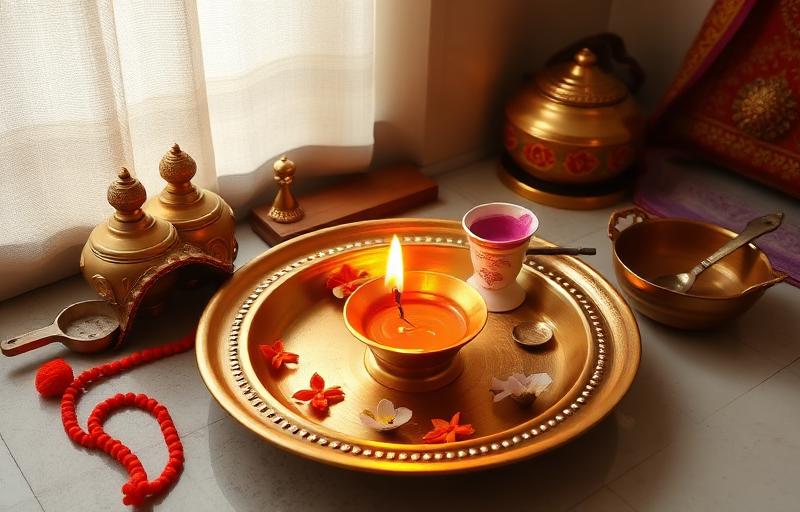
Practical tips: 1. Book early - May/October fills 3 months in advance. 2. Travel light - only essentials; heavy bags are misery at altitude. 3. Pack medicines for headaches, altitude sickness, body pain (common at 3000m+). 4. Stay hydrated - drink even when not thirsty. Altitude dehydrates you faster. 5. Eat light - avoid heavy non-veg meals during yatra; sattvic vegetarian food digests better at altitude. 6. Walk slowly - don't rush even short distances. Acclimatization takes 1-2 days at each new altitude. 7. Respect local culture - these are sacred lands; no loud music, no alcohol, modest clothing, no photography in inner sanctums. Spiritual preparation (30 days before yatra): 1. Daily mantra jap - 'Om Namah Shivaya' (108 times) + 'Om Namo Narayanaya' (108 times) builds a spiritual link to Kedarnath and Badrinath. 2. Read about each dham - knowing the mythology makes the visit deeply meaningful, not just sightseeing. 3. Take Vrat/Vow - many pilgrims commit to: no alcohol, vegetarian, no negative speech, daily prayer during yatra. 4. Plan donation - designate Rs.500-5000 to donate at each dham. 5. Make peace with family - settle any disputes before yatra; you should travel with pure mind. 6. Sankalpa: At Haridwar before starting yatra, take a formal sankalpa: 'I, [name], gotra [gotra], undertake this Char Dham yatra for [specific intention]'. 7. Health vrat: Begin gentle exercise + early sleep + meditation 30 days before. What to do at each dham: 1. Arrive with reverence - bow at temple entrance. 2. Take dip in sacred water at Gangotri, Yamunotri, Kedarnath (Mandakini). 3. Light a diya in each temple. 4. Make a small donation in each temple's donation box. 5. Buy a small spiritual token as memento (rudraksha at Kedarnath, Saligram at Badrinath, sacred water from Gangotri/Yamunotri). 6. Sit in meditation for 10-15 minutes at each temple - don't just take photos and rush. 7. Connect emotionally - many pilgrims experience profound spiritual breakthroughs; allow tears, allow joy.
Frequently Asked Questions
Can I do Char Dham yatra alone or only with a group?+
Both possible. Solo travel is increasingly common - gives flexibility and deeper personal experience. Group tours (Rs.50,000-1,50,000 packages) are easier logistically but rushed. Recommendation: experienced pilgrims do solo. First-timers benefit from a group tour for safety and logistics. Many spiritual organizations (Chinmaya Mission, ISKCON) organize annual Char Dham yatras with both spiritual programs + travel arrangements.
What's the minimum and maximum age for Char Dham?+
Children: technically no minimum age, but children under 8 struggle with altitude (3000m+). 10+ recommended. Elderly: no maximum, but those above 60 with health conditions should get strict doctor clearance + use helicopters for Kedarnath. Pregnant women: NOT recommended (altitude affects fetal oxygen). Heart patients, severe BP, diabetic with complications: NOT recommended without specialist clearance. Mild conditions are manageable with medication + helicopters. Many people in their 70s and 80s complete Char Dham successfully with proper preparation.
Is Char Dham yatra physically dangerous?+
Manageable with precautions, but not without risks. Main concerns: 1. Altitude sickness (common above 3000m - symptoms: headache, nausea, fatigue. Treatment: rest, water, Diamox). 2. Landslides during monsoon (avoid July-August). 3. Sudden weather changes (carry warm clothing always). 4. Heart strain on Kedarnath trek (use helicopter if not fit). 5. Cold-related illness. Modern road infrastructure has made yatra much safer than 50 years ago. 2013 Uttarakhand floods were a major exception - not typical. Hundreds of thousands complete the yatra safely each year.
What's the difference between Char Dham (Uttarakhand) and Char Dham (Adi Shankara's 4)?+
Confusingly, there are TWO 'Char Dhams'. 1. Chota Char Dham / Uttarakhand Char Dham - the 4 dhams in Uttarakhand (Yamunotri, Gangotri, Kedarnath, Badrinath). Modern popular tour. 2. Adi Shankara's Char Dham - the original 4 corners of India: Puri (East, Jagannath), Rameshwaram (South, Shiva), Dwaraka (West, Krishna), Badrinath (North, Vishnu). Established by Adi Shankaracharya in 8th century to unify Hindu pilgrimage across the country. The second is geographically vast (covers all 4 corners of India) and is the 'true' Char Dham per tradition. Note: Badrinath is in BOTH lists. Doing all 7 = ultimate yatra.
About the author
Pandit Ravindra Sharma · Vedic Rituals & Bhakti, 22+ years
Pandit Ravindra is the Vandnaa editorial team's resident specialist on aarti, chalisa, and daily devotion. He has performed home and temple pujas across Varanasi and Delhi for over two decades and contributes the bhakti-focused articles on this site.
Meet the Vandnaa editorial team →Explore on Vandnaa
Related Articles
Char Dham of Adi Shankara - Puri, Rameshwaram, Dwaraka, Badrinath (Original 4 Corners)
10 min read
Ganga Saptami 2026: Date, Snan Muhurat, Mantras & Why a Single Dip Washes 7 Lifetimes of Sin
9 min read
Panchakshari Mantra - Om Namah Shivaya Deep Meaning, 11 Benefits & Vidhi
10 min read
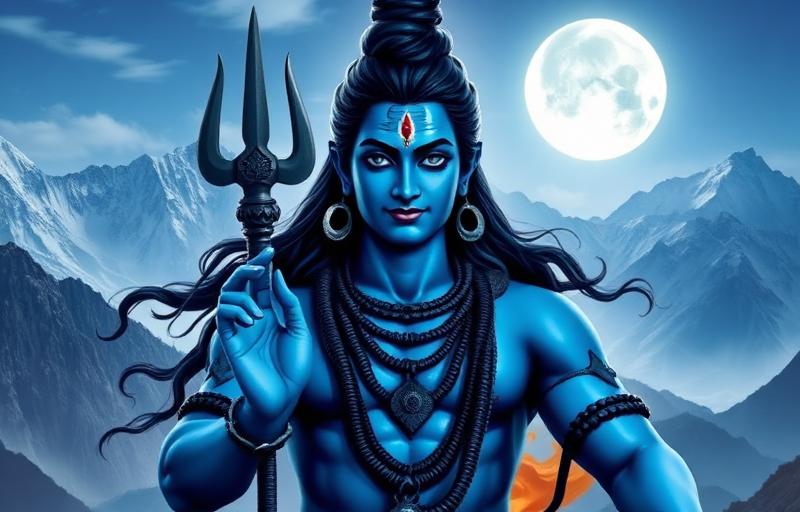
Shiva Ashtottara - 108 Names of Lord Shiva with Meaning, Benefits & Daily Jap Vidhi
12 min read