Who Are the Charans?
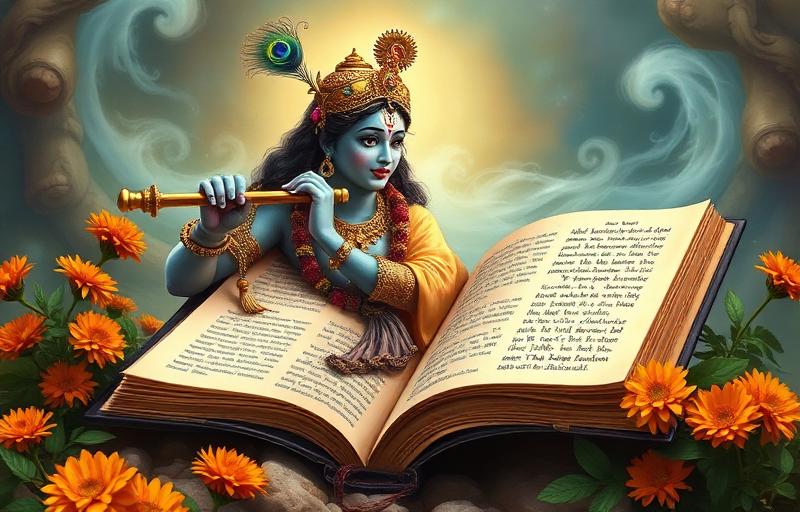
The Charans are a community found across Rajasthan, Gujarat and neighbouring regions, long known for their role as poets, bards and keepers of genealogy and oral history at royal courts and within village communities alike. Their compositions, in the Dingal and Pingal literary traditions, recorded the deeds of kings and clans, but perhaps their most enduring legacy lies in devotional poetry composed in praise of the Goddess.
Across centuries, Charans have carried their verses from court to courtyard, keeping alive both history and faith through recitation and memory long before such things were written down.
The Goddess in Charan Tradition
Within Charan tradition, the bond with the Goddess runs unusually deep. Several of Rajasthan's most revered kuldevis and folk goddesses are remembered in devotional legend as having been born into Charan families, the most widely known example being Karni Mata, whose life and worship remain deeply tied to the Charan community to this day.
This association has led many communities across Rajasthan and Gujarat to hold Charans, and particularly Charan women, in a place of special reverence, sometimes regarding them as close to the Divine Mother herself. Such beliefs, held with great sincerity by devotees, form an important part of the region's devotional imagination.
Poetry as an Act of Devotion
For Charan poets, composing verses in praise of the Goddess has traditionally been considered an act of worship in itself, equal in devotion to any ritual offering. Their poetry often speaks of the Goddess as a fierce protector and a nurturing mother in the same breath, capturing the same duality devotees find in her many forms across India.
This oral literary tradition shaped much of the devotional language later generations across Rajasthan and Gujarat came to use in their own worship, its cadences echoing in temple bhajans and household prayers alike.
A Community Long Held Sacred
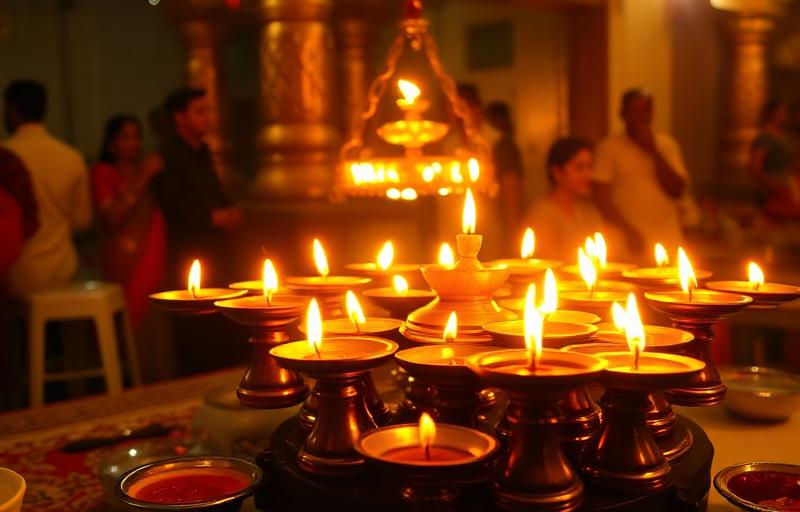
Historically, Charans held a distinctive place in Rajasthani and Gujarati society, often regarded with a level of respect and protection that set them apart, owing in large part to their perceived closeness to the Goddess and their role as truth-tellers at royal courts. This standing meant their words, blessings and even their grief carried unusual social weight.
While the details of these historical customs vary by region and are remembered differently across communities, the underlying reverence for the Charans' spiritual role has remained a consistent thread in the region's devotional history.
A Living Legacy Today
Today, the Charan community's association with goddess worship continues through festivals, oral recitations and the ongoing care of kuldevi and folk goddess shrines across Rajasthan and Gujarat. Many families with Charan heritage continue to see themselves as custodians of this devotional legacy, passing down both stories and songs to new generations.
Their contribution to the region's devotional landscape endures well beyond temple walls, alive in the language, poetry and reverence for the Goddess that shapes daily faith across Rajasthan and Gujarat even today.
A Devotee's Takeaway
The Charan tradition of goddess devotion offers every devotee a gentle reminder, that faith can be carried not only in ritual and offering but in memory, poetry and the simple act of telling a story with love.
Whether expressed through verse or through the quiet worship of a family shrine, devotion held with sincerity remains what it has always been, an act of faith and love, not a transaction.
What People Ask Most
Who are the Charans?+
The Charans are a community found across Rajasthan and Gujarat, historically known as poets, bards and genealogists, with a distinctive and deep tradition of goddess devotion.
Why are Charans closely associated with the Goddess?+
Several revered kuldevis and folk goddesses, most notably Karni Mata, are remembered in devotional legend as having been born into Charan families, leading to a deep and lasting association with the Divine Mother.
What is the Dingal and Pingal poetic tradition?+
Dingal and Pingal are traditional literary forms used by Charan poets to compose devotional and historical verses, many dedicated to the Goddess, that have shaped Rajasthan and Gujarat's devotional language.
About the author
Pandit Ravindra Sharma · Vedic Rituals & Bhakti, 22+ years
Pandit Ravindra is the Vandnaa editorial team's resident specialist on aarti, chalisa, and daily devotion. He has performed home and temple pujas across Varanasi and Delhi for over two decades and contributes the bhakti-focused articles on this site.
Meet the Vandnaa editorial team →