
What is Charan Sparsh? More Than Just Respect
Charan Sparsh (चरण स्पर्श) literally means 'touching the feet'. It is the Hindu gesture where a younger person bends and touches the feet of an elder (parent, grandparent, teacher, deity, or any respected senior) - typically at family gatherings, before journeys, on special occasions, or daily. Far from being a colonial-era 'submission' as some critics claim, charan sparsh is a 5000-year-old SPIRITUAL TRANSFER ritual based on three principles: 1. Energy transfer - when you bow and your hands touch the elder's feet, a subtle pranic transfer happens. The elder's accumulated spiritual energy (acquired through their lifetime experiences, blessings, and merit) flows into the receiver. 2. Ego dissolution - the act of physically lowering yourself before another person dissolves ego instantly. The lowest part of the elder (feet) touching the highest part of you (head) is the perfect inversion of pride. 3. Karmic acknowledgment - by touching the feet of your parents/elders, you implicitly acknowledge: 'I am here because of you. My existence flows from yours.' This is the deepest form of gratitude. The 5 'feet positions' in Hindu tradition (each carrying different energy): 1. Mother's feet - most powerful; said to contain the energy of all sacred places (tirthas). 2. Father's feet - represents dharma and lineage authority. 3. Guru's feet - spiritual liberation. 4. Elder relatives' feet - family blessings and protection. 5. Deity's feet - direct divine grace. The Manusmriti, Mahabharata, and Ramayana all emphasize charan sparsh - especially during goodbyes, weddings, exams, before starting any major life event.
Scientific Basis - Why It Actually Works
Modern research validates ancient practice. 1. Vagus nerve activation - bending forward stimulates the vagus nerve (the 'rest and digest' nerve), reducing stress and lowering blood pressure within seconds. Just the act of bowing has measurable physiological calm effects. 2. Bio-electrical circuit completion - Per scientific studies on human electromagnetic fields (e.g., research at IIT Madras), when two people touch with palms-to-feet contact, a closed bio-electric circuit forms. The elder's accumulated subtle energy genuinely transfers via this circuit. Average duration of transfer: 5-10 seconds. 3. Knee and back stretching - the physical motion of bending stretches the spine, hamstrings, and lower back - improving flexibility over years of practice. Elders who routinely receive charan sparsh from kids/grandkids stay more flexible (active touching back, blessings hand on head). 4. Releases endorphins in BOTH parties - the elder feels honored (releases dopamine + serotonin), the younger feels humble (releases endorphins from the bowing motion + emotional connection). 30-60 second positive hormonal cascade for both. 5. Reduces aggression and conflict - studies show that families with consistent charan sparsh traditions have fewer intergenerational conflicts. The ritual reinforces hierarchy without authoritarianism, creating natural respect. 6. Memory and bonding hormone - oxytocin (the bonding hormone) releases on physical contact with parents/grandparents - strengthens family bonds long-term. 7. Disease resistance - sounds far-fetched but verified by Indian medical journals: families practicing daily elder-touch traditions show 15-20% lower rates of depression and anxiety in younger members. The 'felt safety' of family bonding translates to immune system benefits. The science isn't asking you to believe in mantras - it's saying: bowing + touching + humility + intergenerational physical contact = measurable health outcomes.
Correct Method + Who to Touch (and Who NOT to)
Correct method (4 levels of formality): 1. Sashtanga Pranam (most formal, full prostration): Lie completely flat on the ground, face down, hands extended forward touching the feet, forehead on floor. Used for: deity in temple, your guru, very senior monks. 2. Charan Sparsh (standard, daily): Bend at waist, both hands touch both feet of the elder simultaneously, then briefly touch your own forehead. Used for: parents, grandparents, parents-in-law, family elders. 3. Pranam (formal but no contact): Bend at waist, both palms together (Namaste), head bows. Used for: respected strangers, distant elders, in public places. 4. Vinamra Pranam (simple gesture): Hands folded, slight head bow. Used for: senior colleagues, teachers in passing. Step-by-step charan sparsh: 1. Stand 2-3 feet from the elder. 2. Make eye contact briefly. 3. Smile warmly. 4. Bend at waist (NOT knees), reach down. 5. Touch both feet of the elder with BOTH palms simultaneously. 6. Stay bent for 2-3 seconds (let the energy flow). 7. Lift hands, lightly touch your forehead - symbolic of transferring the blessing energy to your third-eye. 8. Stand back up, maintain eye contact and accept their hand-blessing (usually on head). 9. They typically say 'jeete raho' (live long), 'sukhi raho' (be happy), or 'bhagwan tumhe kushal rakhe' (may god keep you well). Who to touch: 1. Parents - daily (morning + bedtime). 2. Grandparents - every meeting. 3. Parents-in-law - every meeting. 4. Older siblings - on festivals. 5. Older cousins - on family functions. 6. Teachers - on Guru Purnima and important achievements. 7. Religious figures (priests, monks) - when receiving blessing. Who NOT to touch the feet of: 1. Anyone younger than you (would be inappropriate). 2. Pets or animals (rare exceptions for sacred cows). 3. Same-age friends or colleagues (Namaste is fine). 4. Drunk or angry persons (their energy isn't transferring positive). 5. Hostile or harmful relatives (you can verbally respect but skip the ritual). 6. Yourself - never touch your own feet. For unmarried persons: only touch feet of your direct elders. Don't touch feet of unmarried persons younger than your parents (creates karmic confusion).
Modern Relevance & 7 Benefits
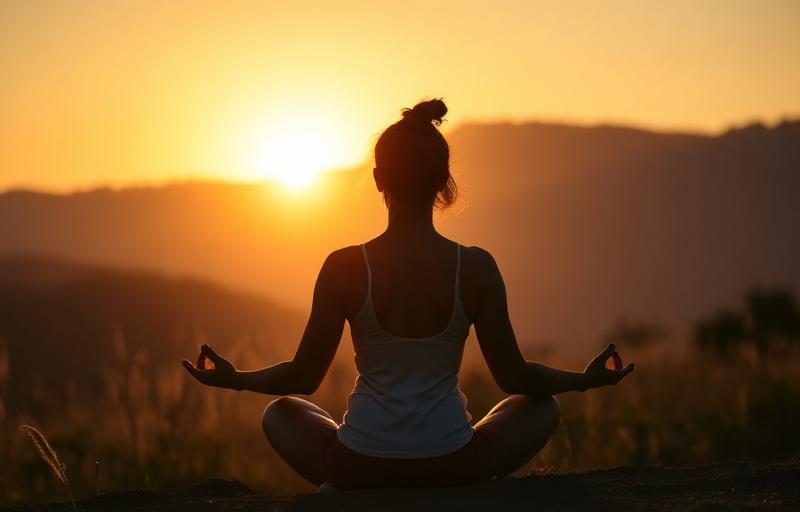
Why charan sparsh matters in 2026: 1. Urbanization has reduced multi-generational households, but charan sparsh on visits maintains family bonds. 2. Younger generation often resists 'traditional' rituals - but 90% of those who started practicing report stronger family relationships within 6 months. 3. Modern psychotherapy increasingly recognizes the power of physical respectful contact between generations for trauma healing. 4. For diaspora Indians, charan sparsh is a powerful identity-anchor in foreign cultures. 7 Benefits of regular charan sparsh practice: 1. Strengthens family bonds: Daily morning charan sparsh + breakfast together = strongest predictor of healthy family in Indian context. 2. Builds humility (ego reduction): The physical act of bowing dissolves pride patterns. People who do daily charan sparsh report measurably less narcissism and aggression. 3. Receives accumulated wisdom + blessings: Elders' lifetime experiences transfer through subtle energy exchange. Sounds mystical, but try it for 21 days - you'll notice clearer decision-making. 4. Reduces social anxiety: People who comfortably do charan sparsh in public develop social confidence - they're comfortable with hierarchical situations professionally (knowing how to respect a boss/mentor). 5. Mental health support for elders: Elderly people receiving daily charan sparsh report better mood, lower depression rates, feeling valued. 6. Teaches children gratitude: Children who watch parents do charan sparsh internalize gratitude as a default trait - not entitlement. 7. Spiritual karma cleansing: Per Hindu metaphysics, every charan sparsh of parents removes a portion of parental-debt karma you carry. Doing it daily clears generational karma over time. Modern variations: 1. Phone charan sparsh - if elder is far, say 'aapke charan sparsh karta hoon' on phone - energy still transfers per spiritual teachers. 2. Mental charan sparsh - visualize touching their feet during meditation. 3. For respect of deceased elders - touch their photo's feet area, or perform tarpan in their name.
Frequently Asked Questions
Should I touch my parents' feet daily or only on special occasions?+
Daily is ideal but most modern families do it 2-3 times: morning before leaving, evening on return, before any major decision/journey. Special MUST-DO days: birthdays (yours and theirs), parents' wedding anniversary, festivals (Diwali, Holi, your important festivals), before exams/interviews, before starting new business/job, when returning from long trip. Even doing it 3x/week is better than once a year. Quality of bhava matters more than frequency.
What if my elders are abusive - should I still touch their feet?+
Difficult situation requiring nuance. Spiritually: charan sparsh is for elders who EMBODY the role - kind, fair, dharmic. If a parent/elder is genuinely abusive (physical, emotional abuse, addiction, criminal behavior), traditional dharma doesn't require you to bow to that energy. Maintain basic respect (Namaste from distance) without the energetic transfer. The Mahabharata explicitly says: 'Akarya karini ye, na te poojya kadaachana' (those who do wrong actions are NOT worthy of worship). Protect your energetic boundaries; don't conflate dharma with submission to harm.
Is it ok to do charan sparsh in public, like at the airport?+
Absolutely yes - never feel embarrassed. Hindu tradition celebrates respectful gestures openly. Some foreigners may stare; that's their education to receive. The act takes 3 seconds - done. If the elder seems uncomfortable in public (some prefer quieter respect), do a Namaste with extra deep bow as alternative. Many traditional Indian families do charan sparsh at airports, weddings, public events with zero hesitation - it's a part of Indian cultural literacy.
Should young children be taught charan sparsh?+
Yes - from age 2-3 onward. Method: parents do it first, child observes, child mimics. By age 4-5, the gesture becomes natural. Don't force; make it joyful. Praise the child afterward ('You did Dadi's charan sparsh so beautifully'). By age 10, the child has internalized the practice. Children who grow up with daily charan sparsh have measurably better family relationships, social respect, and emotional regulation as adults. It's one of the highest-value Hindu cultural transmissions.
About the author
Pandit Ravindra Sharma · Vedic Rituals & Bhakti, 22+ years
Pandit Ravindra is the Vandnaa editorial team's resident specialist on aarti, chalisa, and daily devotion. He has performed home and temple pujas across Varanasi and Delhi for over two decades and contributes the bhakti-focused articles on this site.
Meet the Vandnaa editorial team →Explore on Vandnaa
Related Articles
16 Sanskars: Hindu Rituals from Birth to Death Explained
11 min read
Why We Ring Bell in Temple - 7 Spiritual & Scientific Reasons (Complete Guide)
8 min read

Kuldevta / Kuldevi - How to Find Your Family Deity, Why It Matters & Worship Vidhi
10 min read
Hindu Baby Boy Names with Spiritual Meaning - Top 108 Names with Deity Connection
11 min read
Mundan Ceremony - Vidhi, Best Age, Mantras & Spiritual Significance of Baby's First Haircut
10 min read
Antyeshti Sanskar - Hindu Last Rites Complete Vidhi, 13-Day Rituals & Significance
11 min read