Who Are the Chiranjeevi?
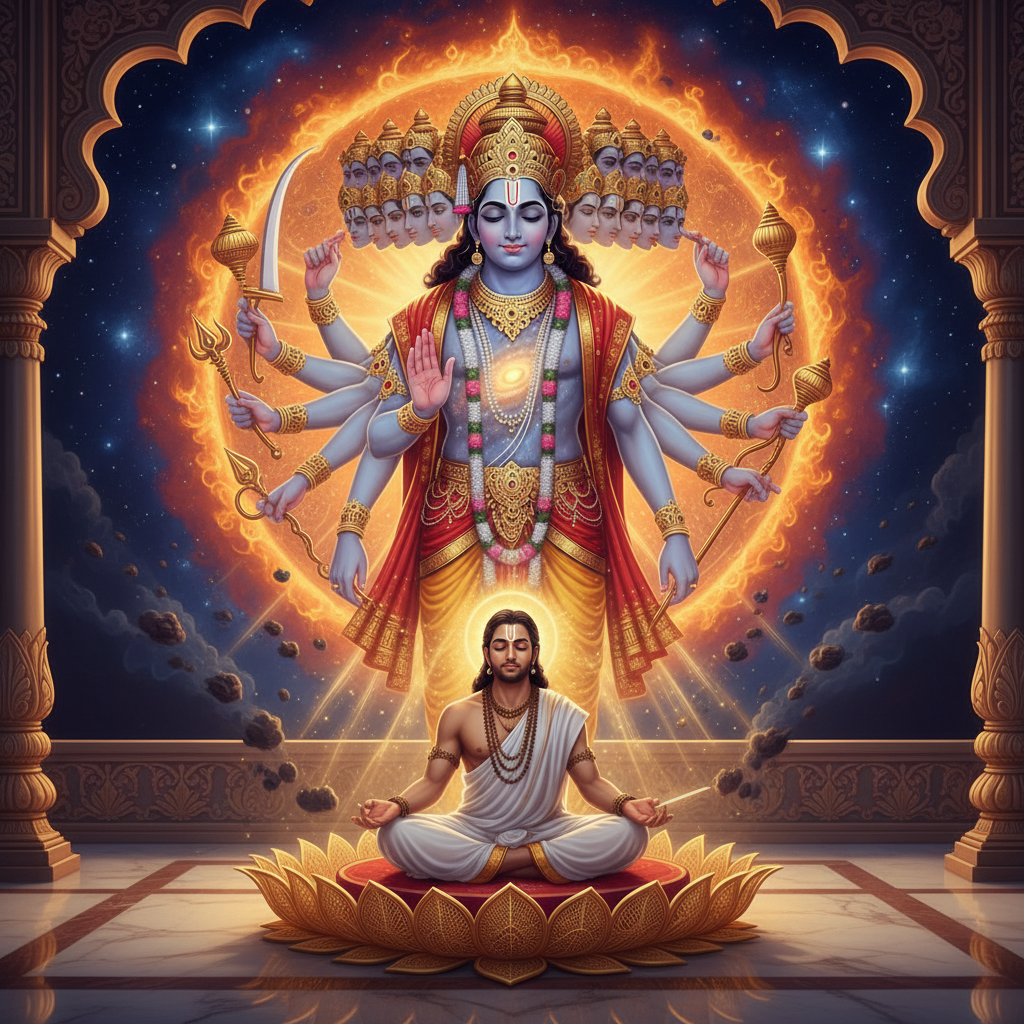
The Chiranjeevi ('long-lived' or 'immortal' ones) are eight great beings of the Hindu tradition who, by blessing or destiny, are said to live on through the yugas until the end of the present age of Kali. A famous Sanskrit shloka lists them:
Ashwatthama Balirvyaso Hanumanascha Vibhishanah, Kripah Parashuramascha saptaite chiranjeevinah.
The verse names seven and traditionally adds Markandeya as the eighth, making the well-known group of eight (Ashtachiranjeevi). Reciting their names each morning is believed to bring long life, courage and protection.
The Eight Immortals
- Ashwatthama - The son of Dronacharya from the Mahabharata, cursed to wander immortal after the great war.
- Bali (Mahabali) - The devoted daitya king who gave all to Vamana and was blessed to rule the netherworld until he becomes Indra.
- Vyasa (Veda Vyasa) - The great sage who compiled the Vedas and composed the Mahabharata, guiding seekers across ages.
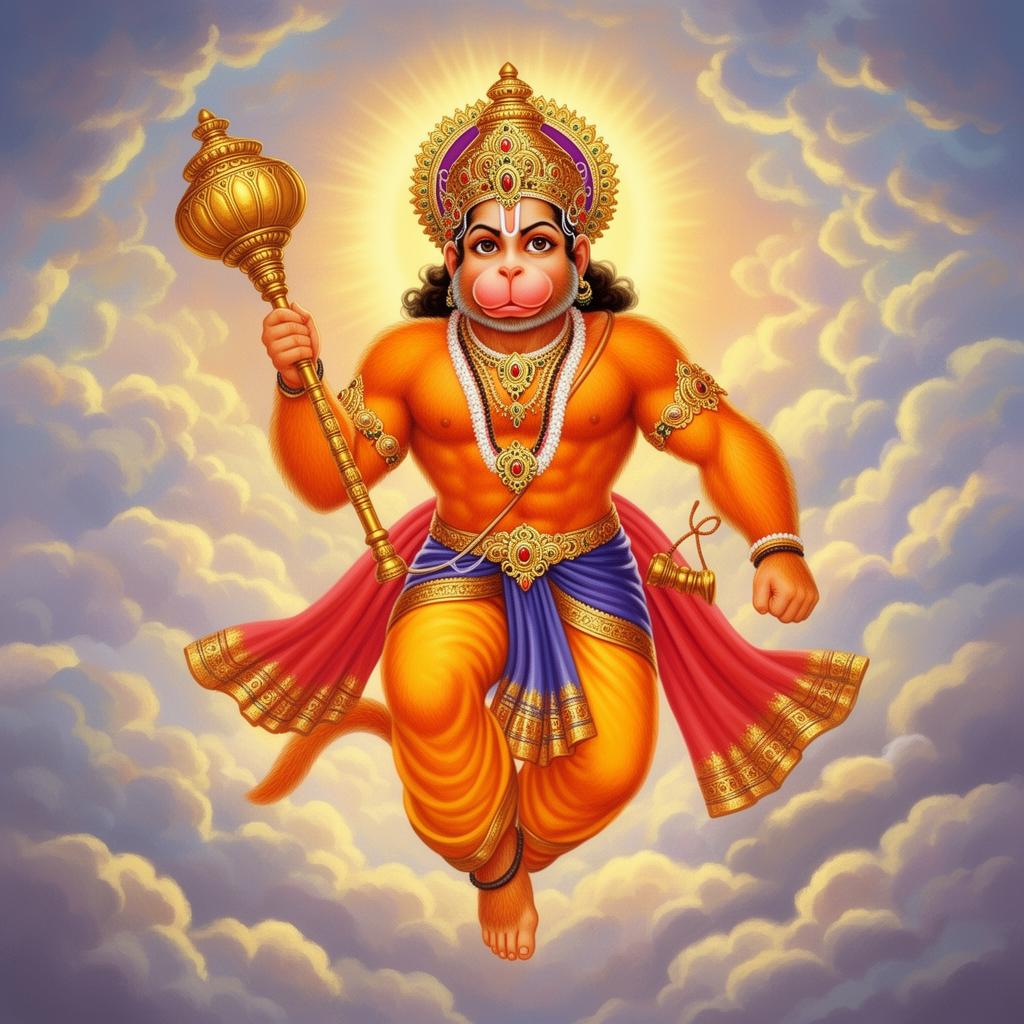
- Hanuman - The deathless devotee of Lord Rama, blessed to live as long as Rama's story is told on earth.
- Vibhishana - The righteous brother of Ravana who chose dharma and was made the eternal king of Lanka by Rama.
- Kripacharya (Kripa) - The honoured teacher of the Kuru princes, granted immortality for his unwavering righteousness.
- Parashurama - The sixth avatar of Vishnu, the warrior-sage who awaits to guide the future avatar Kalki.
- Markandeya - The young sage who, by devotion to Shiva, conquered death itself and was blessed with eternal youth.
What the Immortals Symbolise
The Chiranjeevi are not only figures of legend; each carries a deeper teaching. Hanuman stands for selfless devotion and strength; Vibhishana for choosing dharma over kinship; Markandeya for the power of devotion to overcome fear of death; Parashurama for righteous resolve; Bali for the greatness of giving and surrender.
Some, like Ashwatthama, embody the long consequence of anger and adharma - immortality experienced as a burden, not a boon. Together they teach that how one lives matters more than how long, and that virtue, devotion and dharma are what truly endure across the ages.
The Chiranjeevi Smaran
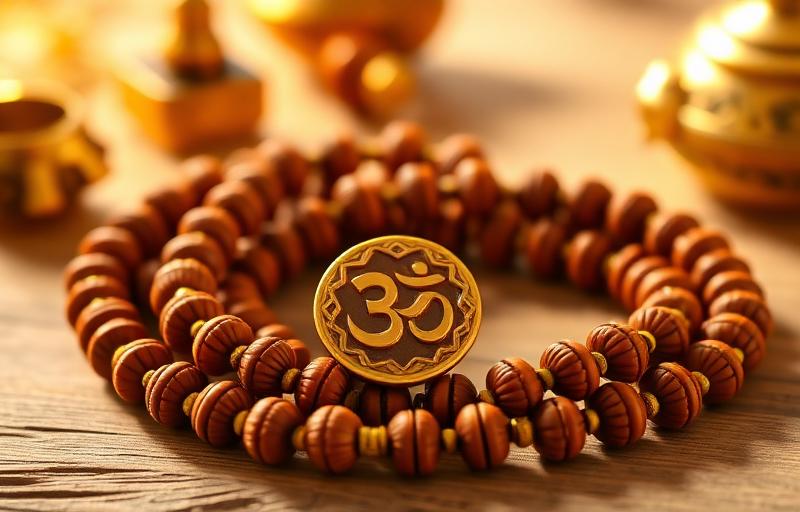
Many devotees recite the names of the eight immortals each morning as a Chiranjeevi Smaran for long life, health and protection. The traditional practice is simple:
- Recite the shloka 'Ashwatthama Balirvyaso Hanumanascha Vibhishanah, Kripah Parashuramascha saptaite chiranjeevinah' and add Markandeya.
- It is believed to promote longevity, ward off untimely fear, and bestow courage when remembered with faith at dawn.
- The smaran is often paired with prayers to Hanuman or a reading of the Hanuman Chalisa, since Hanuman is the most worshipped of the eight.
The real blessing lies in the qualities these immortals embody - devotion, dharma and fearlessness - which the devotee aspires to make their own.
Frequently Asked Questions
Who are the eight Chiranjeevi (immortals)?+
The eight Chiranjeevi are Ashwatthama, Bali (Mahabali), Vyasa, Hanuman, Vibhishana, Kripacharya, Parashurama and Markandeya. The traditional shloka names seven and Markandeya is added as the eighth.
Why is Hanuman a Chiranjeevi?+
Hanuman was blessed by Lord Rama and Sita to remain alive on earth as long as Rama's story is told. As the deathless devotee, he is the most worshipped of the eight immortals.
Is being a Chiranjeevi always a blessing?+
Not always. For Hanuman, Markandeya and Bali, immortality is a boon born of devotion and virtue. For Ashwatthama it came as a curse for his adharma, experienced as a long burden rather than a reward.
What is the Chiranjeevi Smaran for?+
Reciting the names of the eight immortals each morning is a traditional smaran believed to bestow long life, health, courage and protection. It is often paired with prayers to Hanuman.
About the author
Anjali Mehta · Editor, M.A. Religious Studies
Anjali is the managing editor for Vandnaa and oversees the festival and vrat coverage. She holds an M.A. in Religious Studies and reviews every published article for accuracy, accessibility, and tradition-fidelity.
Meet the Vandnaa editorial team →