Daksheshwar Mahadev: Shiva's Temple in Kankhal
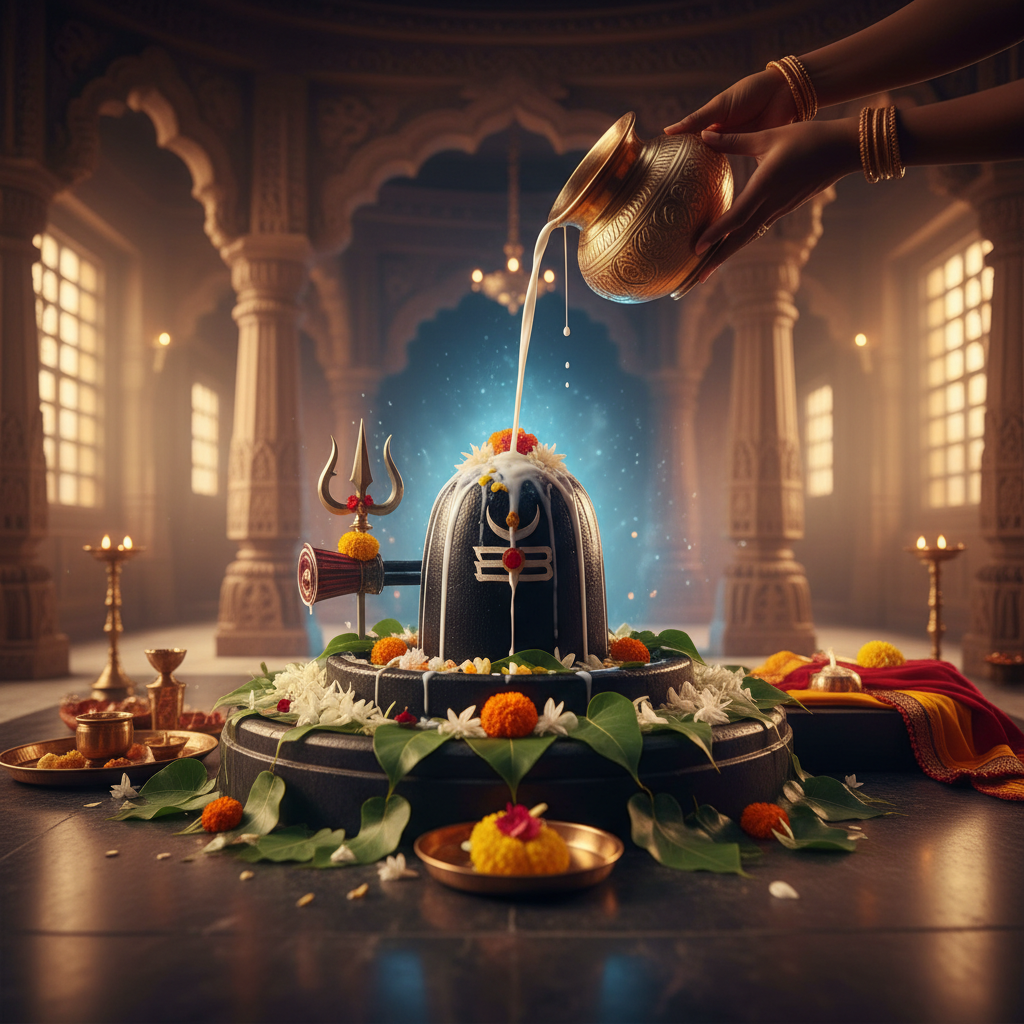
Daksheshwar Mahadev Temple is situated in Kankhal, a locality of Haridwar traditionally identified as the site of King Daksha's capital and the place where he is said to have performed his great yagna. The temple, dedicated to Lord Shiva, takes its name Daksheshwar, meaning Lord established by Daksha, from this connection.
The temple complex today includes shrines to Shiva and to Sati, and remains an active centre of worship, quieter than Haridwar's riverside ghats but deeply significant to devotees familiar with the story it commemorates.
The Legend: Daksha's Yagna and Sati's Sacrifice
According to tradition, King Daksha, father of Sati and father-in-law of Shiva, organised a grand yagna but deliberately did not invite Shiva, whom he disapproved of as a son-in-law. Sati, though uninvited, arrived at her father's yagna hoping to reconcile the family, only to witness Daksha publicly insult her husband.
Unable to bear this humiliation of Shiva, Sati is said to have immolated herself in the sacrificial fire. Grief-stricken and enraged, Shiva then carried her body across the cosmos in his Tandava, and it was from the parts of her body that fell to earth during this journey that the various Shakti Peethas came to be, this site among the traditions associated with the story's beginning.
Why Daksheshwar Mahadev Is Significant to Devotees
The temple carries a solemn significance, reminding devotees of both devotion and the cost of pride.
- Devotees visit to pay respects at a site connected with the origin story of the Shakti Peethas, held sacred across India
- The temple is closely associated with Shivratri, when special worship and a fair are held here
- Many pilgrims combine a visit here with darshan at the nearby Chandi Devi and Mansa Devi temples as part of a wider Haridwar circuit
- The story of Sati and Daksha is remembered here as a lesson in humility and respect within family bonds
Darshan Guide: Visiting Daksheshwar Mahadev Temple
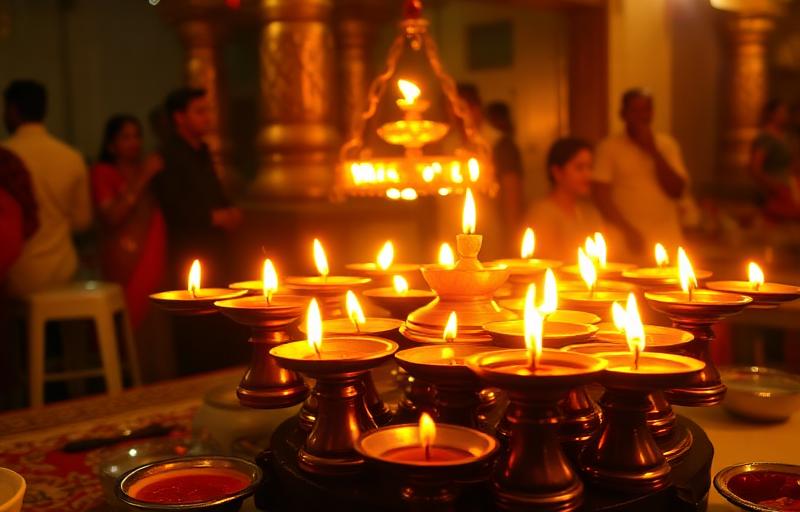
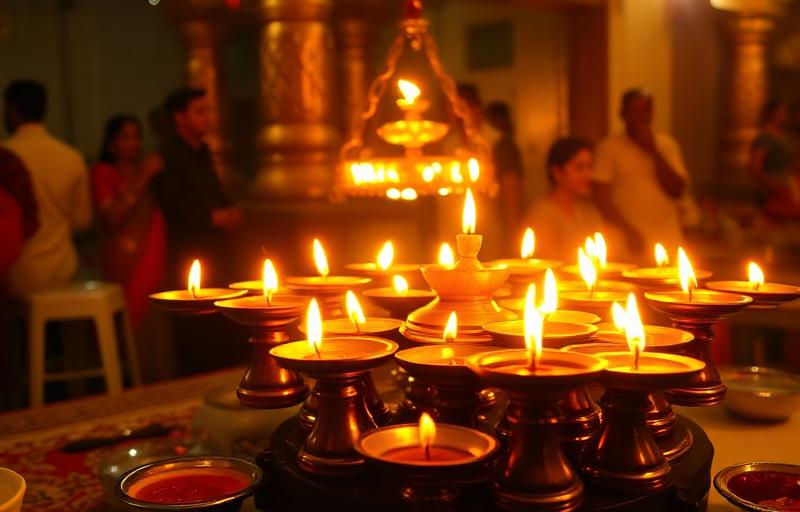
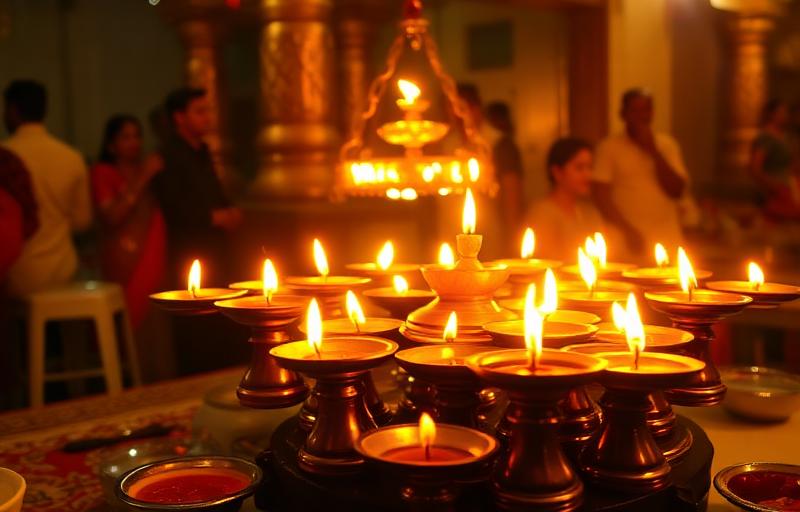
The temple is generally open through the day, from early morning to evening, with a customary midday closing following typical temple practice. Worship here is quieter and less crowded than at Haridwar's main ghats, making it a good stop for devotees seeking a calmer, more reflective darshan.
Mahashivratri is the most significant occasion at the temple, drawing devotees for special worship, while regular Mondays, sacred to Shiva, also see a steady flow of visitors.
How to Reach Daksheshwar Mahadev Temple, Haridwar
Kankhal lies within Haridwar city, a short distance from Har Ki Pauri, and is easily reached by local rickshaw, taxi or a pleasant walk along the older parts of the city. Haridwar Junction railway station and the well-connected road network make the wider journey to Haridwar straightforward from across northern India, with Dehradun's airport the nearest air link.
A Simple Prayer and the Takeaway
Devotees at Daksheshwar Mahadev often chant Om Namah Shivaya, the simple, universal invocation to Shiva, in quiet remembrance of the story this temple holds.
The story of Daksha's yagna reminds devotees that true devotion cannot coexist with pride or disrespect toward one's family. Worship at Daksheshwar Mahadev is offered in that same spirit of humility, an act of faith and love, not a transaction.
Quick Answers
Why is the temple called Daksheshwar Mahadev?+
The name means Lord established by Daksha, referring to the tradition that this site in Kankhal was where King Daksha performed his yagna and where the story of Sati's sacrifice unfolded.
What is the connection between this temple and the Shakti Peethas?+
Tradition holds that Sati's self-immolation at Daksha's yagna, and Shiva's grief-stricken journey with her body afterward, led to the origin of the Shakti Peethas across India, with this site associated with where the story began.
When is the best time to visit Daksheshwar Mahadev Temple?+
Mahashivratri is the most significant occasion here, though the temple can be visited through the year, with Mondays traditionally considered auspicious for Shiva worship.
About the author
Pandit Ravindra Sharma · Vedic Rituals & Bhakti, 22+ years
Pandit Ravindra is the Vandnaa editorial team's resident specialist on aarti, chalisa, and daily devotion. He has performed home and temple pujas across Varanasi and Delhi for over two decades and contributes the bhakti-focused articles on this site.
Meet the Vandnaa editorial team →