The Deer in Shiva's Iconography
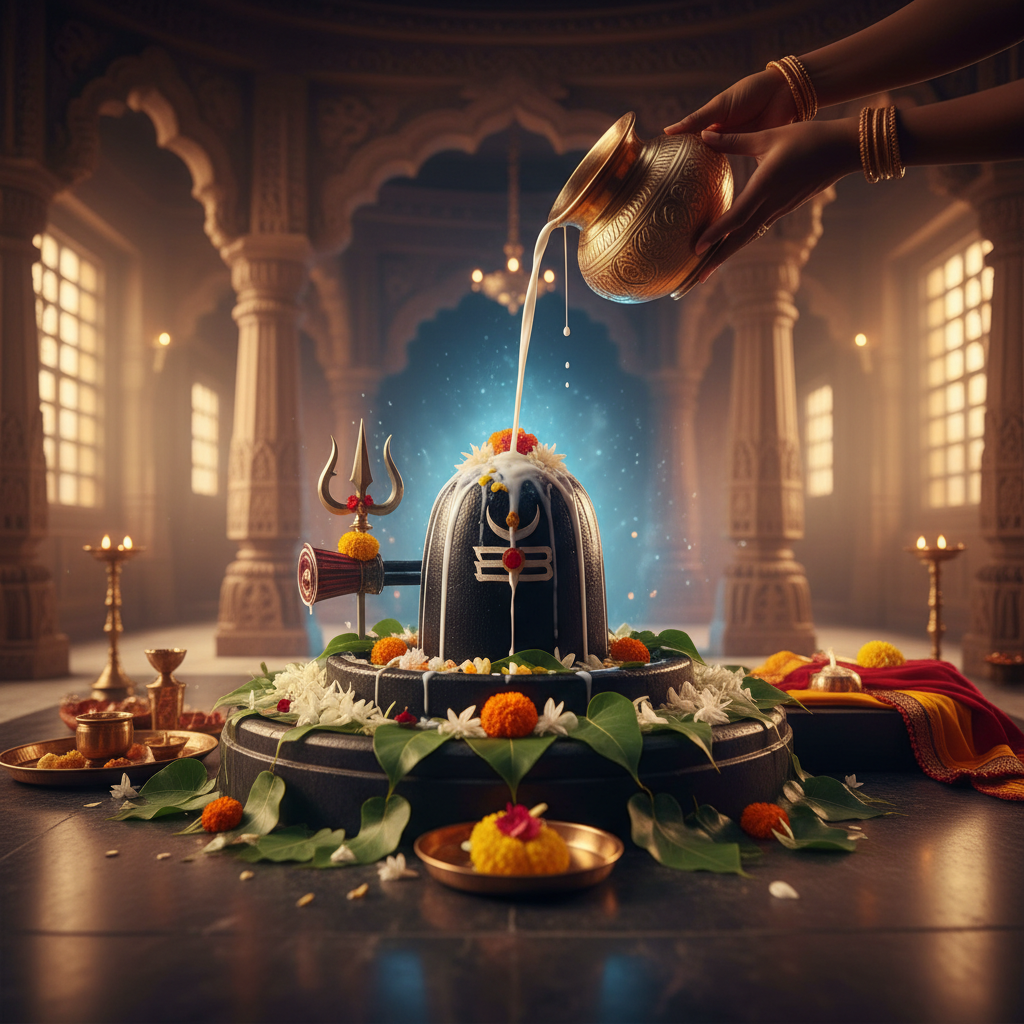
Among the objects Lord Shiva is traditionally shown holding, alongside the trishul (trident) and damaru (drum), is a small deer resting in one of his hands. This image appears across countless temple sculptures, paintings and bronze icons, yet it is often the least discussed of Shiva's attributes.
Shiva is also known as Pashupatinath, lord of all creatures, a title that reflects his role as protector and master of the animal kingdom. The deer he holds is one expression of this vast, gentle authority over every living being, wild and tame alike.
Mrigacharma and the Tradition of Tapasya
Deerskin, known as mrigacharma or ajinam, holds a long-standing place in ascetic tradition. Rishis, sages and students undergoing tapasya are described in scripture and tradition as seating themselves upon a deerskin during meditation and study, using it as an asana that separates the practitioner from the earth's raw energy.
This custom reflects the same qualities the deer itself is known for: alertness, stillness when needed, and a heightened, almost meditative awareness of surroundings. The animal's own nature made it a fitting companion to the discipline of tapasya.
The Deer as a Symbol of the Restless Mind
The most widely shared interpretation of Shiva's deer is that it represents the human mind itself: quick, easily startled and constantly leaping from one thought to another, much like a deer darting through a forest. By holding the deer gently but firmly in his hand, Shiva is understood to demonstrate mastery over this restlessness, not by force but by calm, steady control.
This is a powerful teaching for devotees. The mind, like the deer, is not meant to be crushed or ignored. It is meant to be held with awareness, guided rather than suppressed.
How This Symbolism Guides Worship
Devotees who meditate before an image of Shiva holding the deer are often encouraged to reflect on their own state of mind in that moment: is it calm, or is it leaping about like the untamed deer? This simple observation is itself a form of introspective practice rooted in Shaiva tradition.
The imagery also appears in temple art depicting Shiva as Dakshinamurthy, the silent teacher, where stillness of mind is presented as the highest form of wisdom. Chanting Om Namah Shivaya while holding this image in mind is a common way devotees try to still their own thoughts.
What Tradition Says This Teaches
Tradition holds that reflecting on Shiva's deer supports the practice of controlling the senses and the mind, a discipline considered essential on any spiritual path. Devotees believe that consistent meditation on this imagery, paired with daily japa or simple breath awareness, gradually brings a steadier, calmer disposition.
This is not presented as an instant transformation but as a lifelong practice, the same patient discipline that rishis were said to cultivate seated upon their mrigacharma.
A Daily Reminder to Still the Mind
Carrying Shiva's deer symbolism into daily life can be as simple as pausing before a reaction, noticing when the mind is darting from worry to worry, and gently bringing it back, the way Shiva's hand holds the deer without crushing it.
Worship of Shiva in this form is an act of faith and love, not a transaction. The lesson of the deer is quiet and personal: a steady mind, held with compassion rather than force, is itself a form of devotion.
Frequently Asked Questions
Why does Shiva hold a deer in his hand?+
Shiva is traditionally shown holding a deer as one of his attributes, alongside the trishul and damaru. The deer is widely understood to symbolize the restless human mind, which Shiva holds gently but firmly, representing mastery over the mind through calm control rather than force.
What is mrigacharma and why was it used by sages?+
Mrigacharma is deerskin, traditionally used by rishis and students as an asana or seat during meditation and study. It was valued for the alertness and calm awareness associated with the deer, qualities considered supportive of a disciplined, meditative practice.
Is the deer connected to Krishna as well as Shiva?+
The deer and forest imagery are closely tied to the pastoral, forest setting of Krishna's Vrindavan, though the deer is more specifically emphasized as an attribute in Shiva's iconography. Deer also appear generally in Hindu art as symbols of the forest hermitage and the gentle wilderness surrounding sages and deities.
About the author
Pandit Ravindra Sharma · Vedic Rituals & Bhakti, 22+ years
Pandit Ravindra is the Vandnaa editorial team's resident specialist on aarti, chalisa, and daily devotion. He has performed home and temple pujas across Varanasi and Delhi for over two decades and contributes the bhakti-focused articles on this site.
Meet the Vandnaa editorial team →