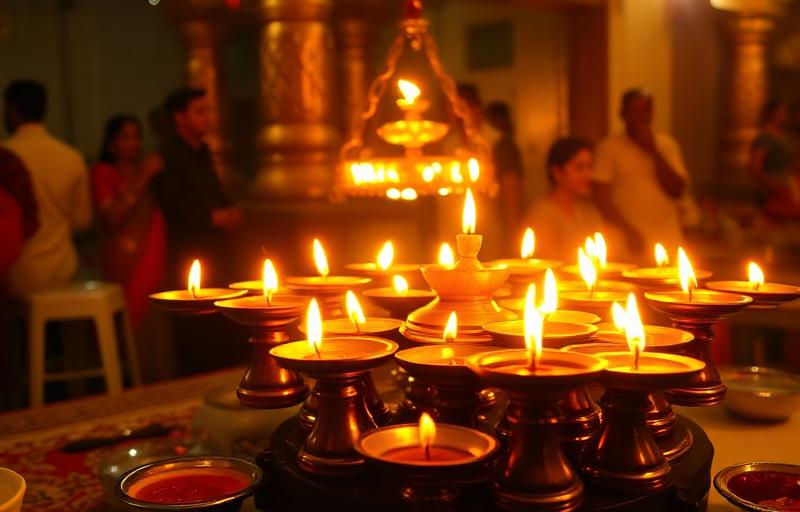
What Dharma Really Means
Dharma comes from the Sanskrit root dhri, meaning to hold, sustain or uphold. At its core, dharma refers to that which sustains, the order, righteousness and natural law that holds together an individual life, society and the cosmos itself.
This is why the common English translation of dharma as simply religion falls short. Dharma is closer to right conduct, duty and cosmic order all at once, the invisible thread of rightness running through everything.
The Many Layers of Dharma
Tradition uses the word dharma in several related senses. Sanatana Dharma refers to the eternal, universal order underlying Hindu spiritual life. Svadharma refers to one's own individual duty, shaped by one's role, relationships and stage of life. Varnashrama Dharma historically described duties linked to one's social role and life stage together.
What unites all these usages is the same core idea, that there is a right and sustaining way to act in any given situation, and discovering it is part of a devotee's spiritual responsibility.
Dharma in the Bhagavad Gita
The Bhagavad Gita opens with Arjuna caught in a painful conflict between different duties, and much of Krishna's teaching addresses how to discern and act rightly amid such conflict. Krishna's famous words, that it is better to imperfectly follow one's own dharma than to perfectly follow another's, point to how deeply personal the practice of dharma can be.
Dharma, in this telling, is not one rigid rulebook applied identically to everyone, but a sincere, ongoing effort to act rightly given one's own circumstances, relationships and responsibilities.
Living Dharma in Daily Life
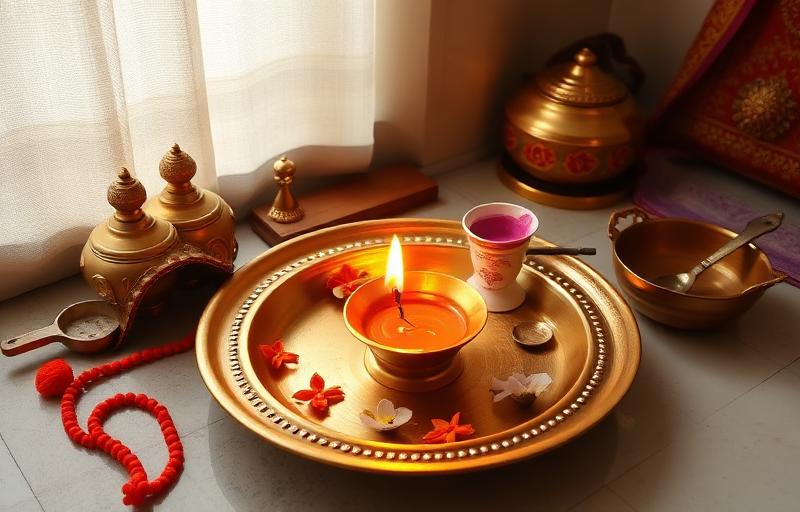
For most devotees, dharma shows up not in grand decisions but in small daily choices, speaking honestly, treating others with fairness, fulfilling one's responsibilities toward family and community, and staying true to one's values even when it is inconvenient.
Many find it helpful to simply pause before a difficult choice and ask what the sustaining, right action would be in that moment, trusting that this quiet question is itself a form of dharma in practice.
The Takeaway
Dharma is best understood not as a single rule but as a compass, always pointing toward what sustains truth, harmony and rightness in a given moment. It asks a devotee to hold responsibility, honesty and compassion together, rather than choosing convenience.
As per tradition, living by dharma, imperfectly but sincerely, is itself considered a lifelong offering of devotion, one small right choice at a time.
Frequently Asked Questions
Does dharma simply mean religion?+
Not quite. Dharma comes from the root dhri, meaning to sustain or uphold, and refers more broadly to right conduct, duty and the order that holds life together, which is wider than the English word religion.
What is the difference between Sanatana Dharma and Svadharma?+
Sanatana Dharma refers to the eternal, universal order underlying Hindu spiritual life, while Svadharma refers to one's own personal duty, shaped by individual role, relationships and life stage.
How does the Bhagavad Gita explain dharma?+
The Gita presents dharma through Arjuna's conflict between duties, with Krishna teaching that sincerely following one's own dharma, even imperfectly, matters more than perfectly following someone else's.
About the author
Anjali Mehta · Editor, M.A. Religious Studies
Anjali is the managing editor for Vandnaa and oversees the festival and vrat coverage. She holds an M.A. in Religious Studies and reviews every published article for accuracy, accessibility, and tradition-fidelity.
Meet the Vandnaa editorial team →