Why Diwali Amavasya Is the One Night Lakshmi Chooses Her Home
Every festival has a story. Diwali has seven.
Ram returned to Ayodhya after 14 years of exile on this day - the citizens lit diyas to welcome their king back. Krishna killed the demon Narakasura and liberated 16,100 women. Lakshmi emerged married to Vishnu on Diwali night. Mahavira attained nirvana on this day. Guru Hargobind was released from Mughal prison on this day. The Pandavas returned from exile and were crowned in Hastinapur. Dhanteras-Chhoti Diwali-Lakshmi Puja-Govardhan-Bhai Dooj - the only 5-day festival in Hinduism.
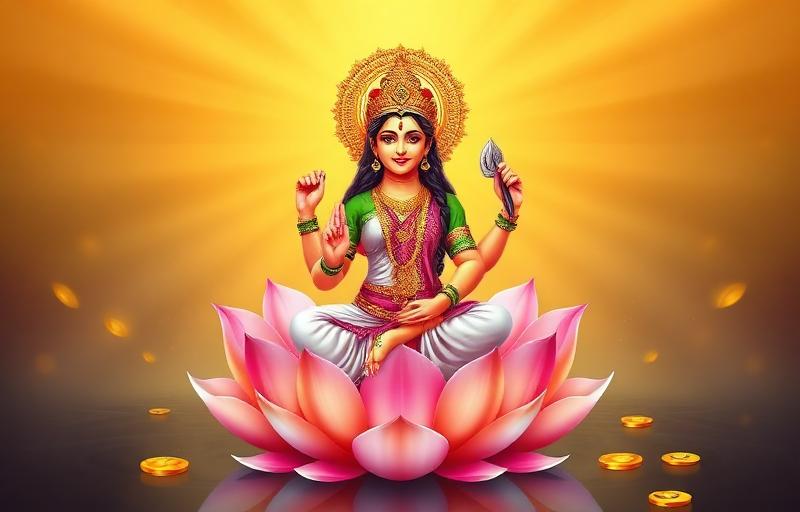
But the heart of Diwali is this: on Kartik Amavasya, the darkest night of the year, Goddess Lakshmi walks the earth looking for homes worthy of her residence. She chooses homes that are clean, lit with diyas, full of harmony and mantra. Where she sits that night, she stays for a year.
Diwali 2026 falls on Sunday, 8 November 2026.
- Amavasya Tithi Begins: 3:32 PM, 8 November 2026
- Amavasya Tithi Ends: 5:14 PM, 9 November 2026
- Lakshmi Puja Muhurat (Pradosh Kaal): 5:45 PM – 8:22 PM (8 November) - BEST TIME
- Vrishabha Lagna (for Sthir Lakshmi): 6:48 PM – 8:44 PM (most auspicious)
- Mahanishita Kaal (for tantric sadhana): 11:15 PM – 12:08 AM (9 Nov)
- Choghadia Muhurat for shop/business puja: 1:31 PM – 4:42 PM (8 Nov)
In this guide: the exact puja vidhi, 5 most powerful mantras, 11 rules every Hindu home must follow, and the rare Mahanishita ritual only Tantrik Lakshmi sadhaks perform.
🙏 Free Diwali mantra audio and puja timer in the Vandnaa App - chant along with the guided jaap.
Step-by-Step Lakshmi-Ganesh Puja Vidhi at Home
Full Samagri List:
- Lakshmi-Ganesh silver or clay idols (NEW - bought Dhanteras)
- Red cloth for chowki
- 16-step puja items: akshat, roli, chandan, kumkum, haldi, gulal
- Lotus flowers (Lakshmi's favourite), marigold, rose
- Panchamrit + Gangajal
- Ghee for diyas, 21 earthen diyas minimum
- Agarbatti (sandalwood or mogra)
- Kheer, halwa, laddoos, 5 fruits, 5 dry fruits, paan, supari
- Coconut with water
- Kalash filled with water + mango leaves + coconut on top
- Cash, jewellery, your business account book, keys, vehicle keys (for puja)
- Cotton wicks, red thread
- A broom bought on Dhanteras
- Shankh (conch), bell
STEP 1 - Home cleansing (morning): Mop the entire home with Gangajal-mixed water. Make a rangoli at the main door with Lakshmi footprints facing inward. Hang marigold torans. Fresh flowers in every room.
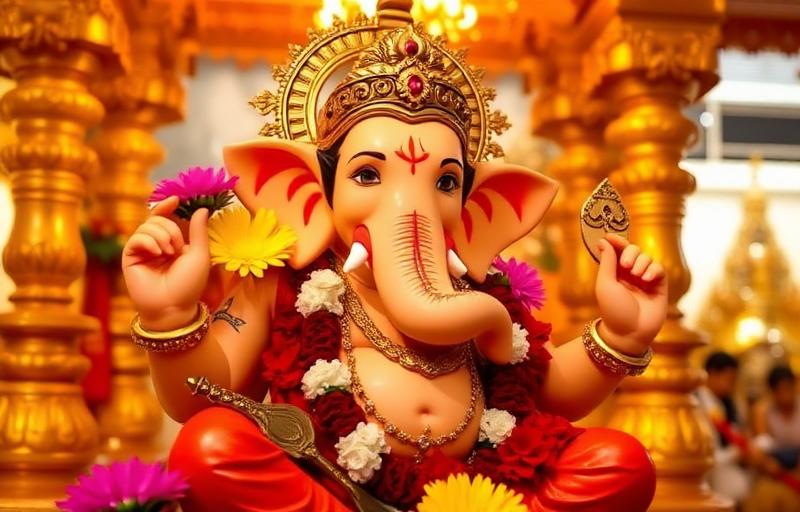
STEP 2 - Setup (5:00 PM): In the north-east or east corner of the main living area (not bedroom), place a red-cloth-covered chowki. Place Lakshmi on right, Ganesh on left (always Ganesh first - to the viewer's left). Kalash in front. Gold/silver from Dhanteras in a plate beside.
STEP 3 - Sankalp (5:45 PM): Sit facing east. Sprinkle water around you. Take sankalp: 'On this Kartik Amavasya night I worship Mata Mahalakshmi and Shri Ganesh for health, wealth, and prosperity of my family for the coming year.'
STEP 4 - Ganesh Puja First: Apply tilak to Ganesh. Offer akshat, flowers, durva. Chant 11 times: 'ॐ वक्रतुण्ड महाकाय सूर्यकोटि समप्रभ। निर्विघ्नं कुरु मे देव सर्वकार्येषु सर्वदा॥'
STEP 5 - Lakshmi Abhishek: Bathe the Lakshmi idol with panchamrit, then clean water. Wipe with soft cloth. Dress her in new red cloth. Apply sindoor-kumkum tilak. Offer haldi, akshat, rose/lotus, agarbatti, diya.
STEP 6 - Main Mantra Jaap (7:00 PM – 8:00 PM, Vrishabha Lagna): Light 21 diyas around the home - 5 in puja room, 3 at main door, 2 in kitchen, 2 in each bedroom, 2 on balcony, 1 each in bathroom and above the locker.
Chant 108 times (on kamalgatta or crystal mala): 'ॐ श्रीं ह्रीं श्रीं कमले कमलालये प्रसीद प्रसीद ॐ श्रीं ह्रीं श्रीं महालक्ष्म्यै नमः॥'
Then 108 times Kuber mantra: 'ॐ यक्षाय कुबेराय वैश्रवणाय धन-धान्याधिपतये धन-धान्य समृद्धिं मे देहि दापय स्वाहा॥'
STEP 7 - Naivedya: Offer bhog - kheer (must), halwa, laddoos, batasha, kheel (puffed rice), mithai. Touch to idol's mouth mentally. Offer paan, supari.
STEP 8 - Business Account/Locker Puja: Place new account book in front of Lakshmi. Write 'शुभ लाभ' on the first page with kumkum. Place house/car/locker keys. Ask her blessings on all.
STEP 9 - Aarti: 'Om Jai Lakshmi Mata' and 'Om Jai Jagdish Hare'. Ring the bell, blow the shankh.
STEP 10 - Distribute & Keep Diyas Burning: Distribute prasad to family. Ensure at least one diya burns till morning - Lakshmi uses it to see the home. Do not extinguish.
11 Rules Every Home Must Follow on Diwali Night
1. Clean every corner - even the forgotten ones. Lakshmi does not enter a dusty home. Clean behind beds, under the sofa, the top of almirahs. Dirt = Alakshmi (Lakshmi's opposite sister).
2. No fighting, no harsh words, no alcohol. Diwali night, the home atmosphere decides Lakshmi's mood. Keep it harmonious. Couples reconcile before puja.
3. Worship Ganesh first, Lakshmi second. Lakshmi refused to live in any home where Ganesh was not invited first. This is a scriptural rule in the Lakshmi Tantra.
4. Lakshmi-Ganesh idols should be NEW every year. Old idols from previous Diwali should be immersed in water (or kept separately in puja). Fresh idols = fresh energy.
5. Keep a diya burning all night. At least one ghee diya in the puja room must burn from 8 PM to 6 AM. This is called Akhand Deep. It is Lakshmi's lamp.
6. Do not sleep early. Diwali is a night of jaagran (staying awake). Stay up past midnight. Play bhajans, chant mantras, do aarti again at 11 PM. Early sleeping = Lakshmi walks past.
7. Gamble only symbolically. Scriptures say Shiva and Parvati played chausar on Diwali - so symbolic games of cards/chausar in family are auspicious. But no actual heavy gambling - this invites Alakshmi.
8. Feed someone before eating. First plate of food goes to a cow, a poor person, or a Brahmin. Only then eat yourself.
9. Do not give or take loans on Diwali. Money going out on Diwali does not return easily. Clear loans before Diwali or after. On Diwali day, keep the door of wealth only inward.
10. Keep the locker door facing north. Kuber's direction is north. If your safe opens facing north, Lakshmi stays. Adjust if it faces south.
11. Distribute prasad & sweets. Sharing on Diwali night multiplies Lakshmi's blessing. The more you share, the more flows back. Miserly homes lose her within the year.
⛔ Things you must NEVER do on Diwali:
- Gamble seriously or drink alcohol
- Cut nails or hair
- Throw waste or spit in front of the home
- Argue with spouse, parents or children
- Waste food or disrespect leftover prasad
- Sleep on the floor (except Chhath vratis)
- Let the main diya go out before midnight
Diwali Lakshmi Mantras: 5 Powerful Chants for Maximum Prosperity
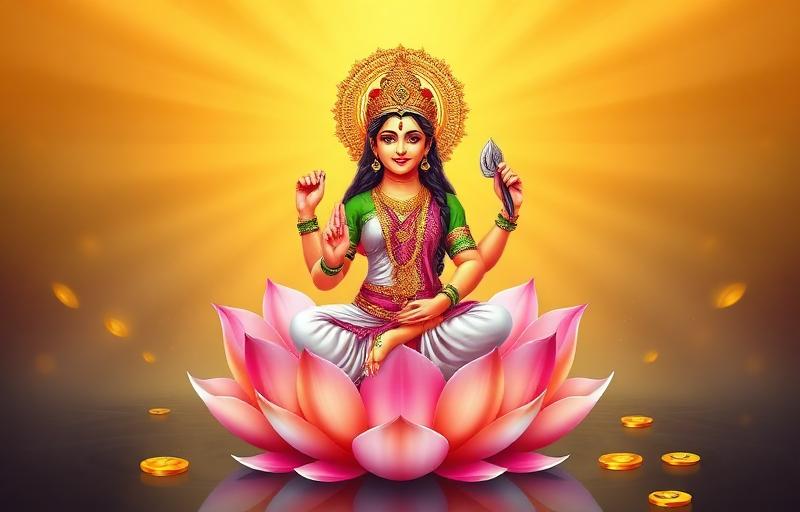
The Lakshmi puja on Diwali Amavasya is the most powerful Lakshmi worship of the year. These mantras, chanted during the puja or throughout the day, align your consciousness with abundance.
1. Mahalakshmi Ashtakam (Opening Invocation): नमस्तेऽस्तु महामाये श्रीपीठे सुरपूजिते। शंखचक्रगदाहस्ते महालक्ष्मि नमोऽस्तुते॥
Meaning: O great illusion-goddess, worshipped at the seat of Sri, holding conch, discus, and mace - O Mahalakshmi, I bow to you.
2. Sri Suktam (for abundance - the most powerful Vedic Lakshmi prayer): ॐ हिरण्यवर्णां हरिणीं सुवर्णरजतस्रजाम्। चन्द्रां हिरण्मयीं लक्ष्मीं जातवेदो म आवह॥
Meaning: O fire god (Jatavedo), bring to me Lakshmi - she who is golden-hued, granting, wearing gold and silver garlands, moon-like, golden-bright.
The full Sri Suktam has 15 verses and is the Vedic foundation of Lakshmi worship. On Diwali night, chanting all 15 verses once is deeply auspicious.
3. Lakshmi Beej Mantra (for daily use): ॐ श्रीं ह्रीं श्रीं कमले कमलालये प्रसीद प्रसीद। ॐ श्रीं ह्रीं श्रीं महालक्ष्म्यै नमः॥
"Shreem" is the beej (seed) mantra of Lakshmi - it embodies the principle of abundant grace. Chant 108 times during puja for maximum effect.
4. The 8 Lakshmis (Ashtalakshmi) - Invoke All 8 Forms:
Lakshmi has 8 primary forms - each governing a different domain of abundance:
- Adi Lakshmi - primordial abundance: ॐ आदि लक्ष्म्यै नमः
- Dhana Lakshmi - financial wealth: ॐ धन लक्ष्म्यै नमः
- Dhanya Lakshmi - food/grain abundance: ॐ धान्य लक्ष्म्यै नमः
- Gaja Lakshmi - power/status: ॐ गज लक्ष्म्यै नमः
- Santana Lakshmi - children/family: ॐ संतान लक्ष्म्यै नमः
- Veera Lakshmi - courage/victory: ॐ वीर लक्ष्म्यै नमः
- Vidya Lakshmi - knowledge/skills: ॐ विद्या लक्ष्म्यै नमः
- Vijaya Lakshmi - overall success: ॐ विजय लक्ष्म्यै नमः
On Diwali, set a clear intention before puja: which form of Lakshmi do you most need this year? Invoke that form specifically.
5. Kanakadharastava (for removing poverty - Adi Shankaracharya's prayer): अंगं हरेः पुलकभूषणमाश्रयन्ती भृंगांगनेव मुकुलाभरणं तमालम्। अंगीकृताखिलविभूतिरपांगलीला मांगल्यदास्तु मम मंगलदेवतायाः॥
This is from Shankaracharya's Kanakadharastava - he recited this when a poor woman gave him the only thing she had (an amla fruit). Lakshmi rained gold coins (kanaka dhara) on her home. Recite 7 times at the end of Diwali puja for removal of poverty consciousness.
Vandnaa App's Diwali Lakshmi Puja Pack includes all these mantras in audio format with slow chanting for following along, plus the complete Sri Suktam in Sanskrit with Hindi meaning.
The 5-Day Diwali Sequence: What Each Day Means and Why It Matters
Diwali is not one day - it is a 5-day festival that begins with Dhanteras and ends with Bhai Dooj. Understanding each day's spiritual purpose transforms Diwali from fireworks-and-sweets into a structured annual renewal ritual.
Day 1 - Dhanteras (Kartik Krishna Trayodashi - 28 October 2026): Theme: Wealth invitation and death protection
The day you clean your home, purchase a new item (gold, silver, or utensil), perform Kuber puja for stored wealth, and light the Yama Deepam to protect the family from untimely death. The 5-day festival begins here.
Day 2 - Naraka Chaturdashi / Chhoti Diwali (29 October 2026): Theme: Victory of light over the demon - personal liberation
Lord Krishna killed the demon Narakasura on this day, freeing 16,000 imprisoned souls. This day is about liberation from your own inner demons - bad habits, toxic patterns, self-sabotage. Traditional practice: wake at Brahma Muhurat, apply Ubtan (turmeric-oil scrub) before bathing - this removes the "Narakasura" (accumulated negativity) from your body.
In South India, this day is the main Diwali. In North India, it's called Chhoti Diwali. Either way: full fireworks begin this evening.
Day 3 - Diwali / Lakshmi Puja (30 October 2026): Theme: Goddess arrival - the most important day
Amavasya - the new moon night when darkness is maximum, making lamps most visible to the goddess. Lakshmi is said to tour the earth this night, looking for clean, lit, joyful homes to bless. The Nishita Kaal window (midnight) is the most powerful for Lakshmi puja: 12:07 AM – 12:59 AM on 31 October 2026.
Day 4 - Govardhan Puja / Annakut (31 October 2026): Theme: Gratitude for food - Krishna's victory over Indra
Krishna lifted Govardhan mountain to protect Vrindavan from Indra's wrath. This day celebrates Earth's abundance. Families prepare Annakut - a massive offering of cooked food to Lord Krishna (56 dishes, or whatever is possible). The temple Annakut darshans on this day are visually stunning.
Day 5 - Bhai Dooj (1 November 2026): Theme: Brother-sister bond - Yama and Yamuna's reunion
Yamuna invited her brother Yama (god of death) for a meal on this day. Yama was so moved that he promised: anyone who receives their sister's love (tilak + meal) on this day will be protected from untimely death. Sisters apply tilak to brothers, brothers give gifts, both pray for each other's wellbeing. The brother-sister version of Raksha Bandhan.
The Complete 5-Day Spiritual Arc:
Start with acknowledging mortality (Dhanteras → Yama Deepam) → Release what needs to die (Chhoti Diwali → Narakasura) → Invite divine abundance (Diwali → Lakshmi) → Gratitude for existing abundance (Govardhan → Annakut) → Celebrate relationships that sustain you (Bhai Dooj → Brother-Sister).
This is not a festival. It is a life-renewal ritual compressed into 5 days.
Vandnaa App's Diwali Guide has day-by-day puja guides, mantras, and muhurat notifications for all 5 days.
Diwali Without Pollution: How to Celebrate with Full Devotion & Minimal Harm
Every year, Diwali night sees PM2.5 levels in Delhi and other cities spike to 10–30 times the safe limit. This is a real problem that devotees who care about dharma must confront - because the Vedic tradition is fundamentally about harmony with nature, not its destruction.
The Scriptural Position:
Nowhere in the Vedas, Puranas, or Smritis does it say "burst firecrackers on Diwali." The tradition of firecrackers is relatively recent - 200–400 years old in most regions - and was introduced as a way to celebrate joyfully with light and sound. The original Diwali lamps and diyas fulfilled that purpose. Firecrackers were a later addition.
Lord Krishna, who Diwali is also associated with (his victory over Narakasura on Chhoti Diwali), did not burst firecrackers. Lakshmi is associated with light and beauty - not smoke and noise.
What Full-Devotion Eco-Diwali Looks Like:
1. Maximum lamps, zero crackers: Light 100 diyas instead of spending that money on crackers. A home ablaze with 100 lamps is spiritually more auspicious than 10 lamps and a lot of pollution.
2. Earthen diyas over plastic LED: Clay diyas (mitti ke diye) directly benefit local potters and the economy of artisans. They are also aesthetically beautiful and biodegrade fully. LED lights that blink and make noise are not part of the tradition.
3. Natural flower rangoli: Instead of synthetic coloured powder, use fresh flower petals, rice flour, and turmeric. These are offered to the goddess and decompose naturally.
4. Organic sweets and saatvik food: Diwali mithai should ideally be made at home or from trusted sources without preservatives. The goddess should receive offerings that are themselves pure.
5. If you must use firecrackers: Choose green crackers (CSIR-certified, available in major cities) which are 30% less harmful. Burst only in the designated time window (8:00–10:00 PM maximum) to reduce sustained exposure.
The Real Diwali Victory:
Narakasura is the demon of darkness and pollution in the Bhagavata Purana - he literally was an asura who kept the 16,000 women (representing virtues) imprisoned. On an ecological reading: Narakasura is the pollution-demon we've created. The true Diwali victory of 2026 is killing this demon by celebrating more consciously.
Community Diwali:
Pool resources with neighbours for:
- One large community Rangoli in the street
- Shared community lamps along the street
- Community Lakshmi puja - one grand puja with a priest vs. 20 homes each doing a rushed puja alone
Vandnaa App's Diwali Eco-Guide gives a comprehensive list of green crackers available in 2026, community puja templates, and a lamp-counting checklist for your home.
The Day After Diwali: Gratitude Puja & Sustaining Lakshmi's Presence Year-Round
Most Diwali content ends at the puja. What happens after Diwali - and why it matters more for sustained prosperity - is rarely discussed.
Why the Day After Diwali Is Spiritually Critical:
Govardhan Puja (the day after Diwali) and the energy of gratitude are what "seal" Lakshmi's presence in your home. In the Puranic framework, Lakshmi can leave as easily as she enters. She stays where she is honoured - not just invited once a year, but sustained through daily practice and generosity.
The Day-After Diwali Protocol:
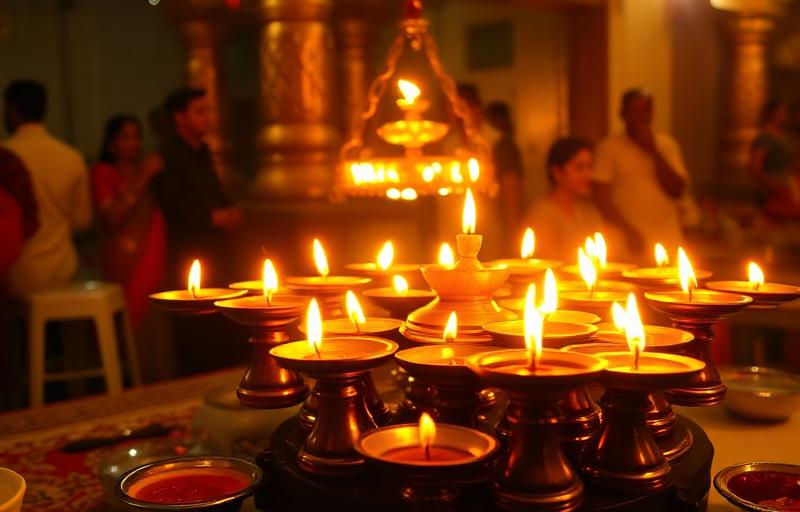
1. Before cleaning up the Diwali lamps: The akhand diya (if kept) should burn through Govardhan Puja. Don't clean the puja area until Govardhan is done.
2. Gratitude walk: On Govardhan Puja morning, walk through your home. Touch each room's wall or corner and say: "Thank you for sheltering us. Thank you for prosperity." This is not ritual - it is a conscious act of acknowledging the space that supports your life.
3. Govardhan Puja prasad: Make the Annakut offerings (ideally 56 dishes; in practice, cook 7–9 things you don't usually cook). The variety of food is an expression of abundance - you are showing Krishna (and Lakshmi) that your home has enough to give.
4. Give the Diwali prasad away: Whatever sweets, mithai, or dry fruits remain from the Diwali puja - give them away. Distribute to neighbours, servants, temple. Don't store them. This act of distributing the goddess's prasad is what keeps the prosperity channel open.
Sustaining Lakshmi's Presence Year-Round:
Lakshmi doesn't need daily worship - she needs a daily acknowledgement of abundance. Three practices that sustain Lakshmi's energy through the year:
1. Light a diya daily at sunset: Even a 30-second act of lighting one clay diya at dusk, without any full puja, acknowledges the goddess. This is the single most powerful simple daily Lakshmi practice.
2. Daily floor cleaning: Lakshmi is said to visit clean homes. Keeping the home's entryway and floors clean is the most practical Lakshmi sustenance practice.
3. The "one giving" rule: Give something - money, food, time, skill - to someone each week. Even ₹10 to a temple or ₹20 to a beggar. Flow is Lakshmi's nature; blockage is her enemy.
The Diwali Prosperity Letter:
A beautiful tradition from some parts of India: on the evening of Diwali, write a short letter to Goddess Lakshmi. State your needs for the year clearly - not demands, but honest intentions. "I am inviting abundance to support [your specific goal] this year. I commit to [one action you will take]." Place the letter at the feet of the Lakshmi idol. In January, read it again.
Vandnaa App's Year-Round Lakshmi Practice section includes the daily sunset diya reminder, the Lakshmi weekly mantra, and a prosperity journal template for the year following Diwali.
Reader Questions Answered
What is the ideal time for Diwali Lakshmi Puja in 2026?+
Pradosh Kaal (5:45 PM – 8:22 PM) combined with Vrishabha Lagna (6:48 PM – 8:44 PM) on 8 November is the best. The overlap window of 6:48 PM – 8:22 PM is called Sthir Lakshmi time - when the planetary positions are fixed, and Lakshmi once invited stays stable. Perform all 108 mantra jap within this window. Mahanishita Kaal (11:15 PM – 12:08 AM) is only for serious Tantric Lakshmi sadhana - not for family puja.
Can I do Diwali puja without a pandit?+
Yes - 90% of Indian families do self-puja. The 10 steps above are complete. What matters is shraddha (devotion), not Sanskrit perfection. Mispronouncing a mantra is fine - Lakshmi reads intention, not accent. Use a mantra audio (Vandnaa app has free ones) if you're unsure of pronunciation. A pandit is only needed for Mahanishita Tantric sadhana or Shri Yantra sthapana. For normal family puja, you are the pandit of your own home.
Why do we NOT sleep on Diwali night?+
Skand Purana explains: Lakshmi walks through every street on Diwali Amavasya. She visits homes to see if they are awake, lit, and worshipping her. If she finds a home where everyone is asleep in darkness, she assumes it does not need her and passes by. Staying awake past midnight, keeping the diya lit, and chanting her name is the signal that 'we are ready to receive you.' This is why the night is called Jaagran - literally, the night of staying awake.
About the author
Acharya Vinaya Kapoor · M.A. Sanskrit, Mantra & Stotra Studies
Acharya Vinaya holds an M.A. in Sanskrit from Banaras Hindu University and writes the mantra and stotra commentary on Vandnaa. Her focus is on accurate pronunciation, traditional context, and helping modern readers connect with classical texts.
Meet the Vandnaa editorial team →