What Are the Mahapuranas
The Puranas are a vast body of ancient Hindu scripture that retell the Vedic wisdom through stories, genealogies, festivals and devotion, so that everyone, not only scholars, can grasp it. Among them, eighteen are honoured as the Mahapuranas (great Puranas). Tradition credits their compilation to the sage Veda Vyasa, the same seer who arranged the Vedas and composed the Mahabharata.
The Five Marks of a Purana
Classically a Purana is said to have five themes (pancha-lakshana): Sarga (the creation of the universe), Pratisarga (its dissolution and re-creation), Vamsha (the genealogies of gods and sages), Manvantara (the ages of the Manus) and Vamshanucharita (the histories of royal dynasties). Around this framework the Puranas weave hymns, vows, pilgrimage lore and the glories of various deities.
The Names of the 18 Mahapuranas
The eighteen Mahapuranas are: Brahma, Padma, Vishnu, Shiva, Bhagavata, Narada, Markandeya, Agni, Bhavishya, Brahmavaivarta, Linga, Varaha, Skanda, Vamana, Kurma, Matsya, Garuda and Brahmanda. Each centres on certain deities and themes - for example the Bhagavata glorifies Krishna and Vishnu, the Shiva and Linga Puranas exalt Lord Shiva, and the Markandeya holds the famous Devi Mahatmya of the Goddess.
Classification by the Three Gunas
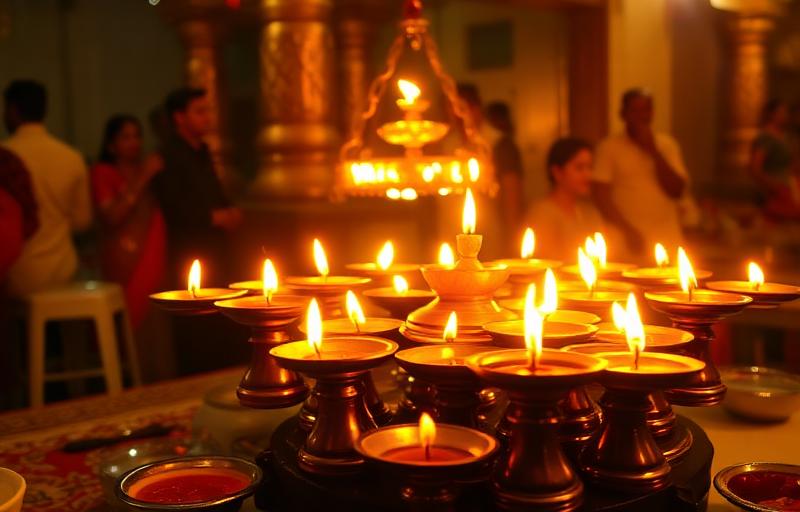
A traditional scheme groups the eighteen by the three gunas (qualities of nature), six in each. The Sattvic Puranas (associated with Vishnu) include the Vishnu, Bhagavata, Narada, Garuda, Padma and Varaha. The Rajasic Puranas (associated with Brahma) include the Brahma, Brahmanda, Brahmavaivarta, Markandeya, Bhavishya and Vamana. The Tamasic Puranas (associated with Shiva) include the Shiva, Linga, Skanda, Agni, Matsya and Kurma. This grouping reflects which deity and mood each text emphasises.
Significance and Themes
The Mahapuranas made the deep truths of the Vedas accessible to all by clothing them in story and song. They preserve the tales of the avatars, the vratas (vows) and festivals we still keep, the rules of dharma and the maps of countless tirthas (pilgrimage sites). Through them, devotion to Vishnu, Shiva and the Devi spread across the land and the Bhakti movement found its richest fuel.
How to Approach the Puranas
Beginners often start with the Bhagavata Purana, loved for its tales of Krishna and its message of pure devotion, or with the Purana of their own ishta devata (chosen deity). It helps to read with faith and an open heart, treating the stories as carriers of spiritual meaning rather than mere history. Listening to katha from a learned teacher is a traditional and easy way to receive their wisdom.
Common Questions From Devotees
What are the Mahapuranas?+
The Mahapuranas are the eighteen great Puranas of Hinduism, vast scriptures of stories, dharma and devotion that retell Vedic wisdom for everyone. Tradition credits their compilation to sage Veda Vyasa.
How many Mahapuranas are there and what are their names?+
There are eighteen: Brahma, Padma, Vishnu, Shiva, Bhagavata, Narada, Markandeya, Agni, Bhavishya, Brahmavaivarta, Linga, Varaha, Skanda, Vamana, Kurma, Matsya, Garuda and Brahmanda.
How are the 18 Puranas classified?+
They are traditionally grouped by the three gunas, six each: Sattvic (linked to Vishnu), Rajasic (linked to Brahma) and Tamasic (linked to Shiva), reflecting the deity and mood each text emphasises.
What are the five marks of a Purana?+
The five themes are Sarga (creation), Pratisarga (dissolution and re-creation), Vamsha (genealogies), Manvantara (ages of the Manus) and Vamshanucharita (histories of royal dynasties).
Why are the Mahapuranas important?+
They made Vedic truths accessible through story and song, preserving the tales of the avatars, our vratas and festivals, the rules of dharma and pilgrimage lore, and they fuelled the Bhakti movement.
Which Purana should a beginner read first?+
Many begin with the Bhagavata Purana, loved for its tales of Krishna and message of pure devotion, or with the Purana of their chosen deity. Listening to katha from a learned teacher is also a fine start.
About the author
Anjali Mehta · Editor, M.A. Religious Studies
Anjali is the managing editor for Vandnaa and oversees the festival and vrat coverage. She holds an M.A. in Religious Studies and reviews every published article for accuracy, accessibility, and tradition-fidelity.
Meet the Vandnaa editorial team →Explore on Vandnaa
Related Articles

Saptarishi - The Seven Sages, Names & Significance
9 min read
Navadha Bhakti - The Nine Forms of Devotion
9 min read
Dashavatar - 10 Avatars of Lord Vishnu: Names, Order, Meaning, Significance
11 min read
Bhagavad Gita - All 18 Chapters Summary & Key Teachings
10 min read

Ramayana Life Lessons - Timeless Teachings
10 min read
Dharma - Meaning & Significance in Hinduism
9 min read