What Upvas Truly Means
The word upvas comes from upa (near) and vas (to dwell) - meaning to dwell near the divine. Fasting in the Hindu tradition is never just about denying food; it is a way to turn the mind away from the body and toward God. By stepping back from constant eating and distraction, the devotee creates space for prayer, reflection and inner stillness. This is why upvas is woven into almost every Hindu festival and vrat.
Spiritual Benefits of Fasting
Fasting is believed to bring deep spiritual rewards:
- Purity of mind and body, helping devotion flow more easily
- Self-control and discipline over the senses and desires
- Stronger willpower and the ability to keep a vow
- Greater focus in japa, prayer and meditation
- Gratitude and empathy for those who go without food
- Spiritual merit (punya) and the blessings of the deity
The lightness of an empty stomach often makes the heart more open to prayer.
Scientific Benefits of Fasting
Modern research suggests that mindful, periodic fasting may gently support health:
- It gives the digestive system rest and may ease bloating
- It can support healthy metabolism and weight management
- It may help the body's natural cellular cleanup processes
- A sattvic falahar diet adds fruits, milk and light food in place of heavy meals
- It encourages mindful eating and breaking junk-food habits
These are general observations and not medical advice; benefits vary from person to person.
Fasting, Mind and Emotions
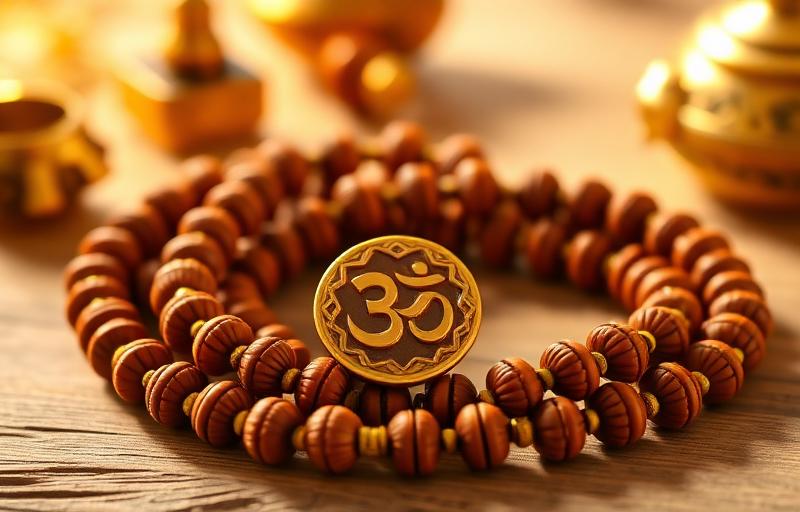
Beyond the body, fasting trains the mind. Resisting the pull of hunger builds patience and inner strength, and the calm of a quiet fasting day can reduce restlessness and stress. Many people find that a vrat day, spent in prayer and simplicity, leaves them feeling clearer and more peaceful. Used wisely, fasting becomes a gentle reset for both mind and emotions, not a source of strain.
How to Fast Well
To gain the benefits and avoid harm: 1. Choose a fast within your capacity - phalahar or one meal if nirjala is too strict. 2. Stay hydrated with water, milk, coconut water and fruit juices if allowed. 3. Prefer roasted or boiled falahar over deep-fried, salty dishes. 4. Spend the day in prayer and rest, not heavy work. 5. Break the fast gently with fruits and light food, never a heavy meal. Listen to your body and never push fasting to the point of weakness or illness.
Who Should Be Careful - Medical Caution
Fasting is not suitable for everyone. People with diabetes, low blood pressure, acidity, ulcers or other medical conditions, pregnant and nursing mothers, children and the elderly should fast only lightly, if at all, and always consult a doctor first. Never fast if you are unwell or on medication that requires food. Faith and health go together - a fast kept with care and common sense honours both the deity and the body the divine has given you.
Reader Questions Answered
What does the word upvas mean?+
Upvas comes from 'upa' (near) and 'vas' (to dwell), meaning to dwell near the divine. It refers to fasting as a way to turn the mind from the body toward God.
What are the spiritual benefits of fasting?+
Fasting brings purity of mind and body, self-control, stronger willpower, deeper focus in prayer, empathy for the hungry, and spiritual merit and the blessings of the deity.
Does fasting have scientific health benefits?+
Mindful periodic fasting may rest the digestive system, support healthy metabolism and encourage mindful eating. These are general observations, not medical advice, and benefits vary.
How can fasting help the mind?+
Resisting hunger builds patience and inner strength, while a quiet day of prayer and simplicity can reduce restlessness and stress, leaving the mind clearer and more peaceful.
How can I fast safely?+
Choose a fast within your capacity, stay hydrated if allowed, prefer roasted or boiled falahar, rest and pray, and break the fast gently with fruits and light food.
Who should avoid fasting?+
Those with diabetes, low BP, acidity or ulcers, pregnant and nursing mothers, children, the elderly and the unwell should fast only lightly, if at all, after consulting a doctor.
About the author
Pandit Ravindra Sharma · Vedic Rituals & Bhakti, 22+ years
Pandit Ravindra is the Vandnaa editorial team's resident specialist on aarti, chalisa, and daily devotion. He has performed home and temple pujas across Varanasi and Delhi for over two decades and contributes the bhakti-focused articles on this site.
Meet the Vandnaa editorial team →Explore on Vandnaa
Related Articles

Vrat ke Niyam - General Fasting Rules, Dos & Donts
9 min read
Ekadashi Vrat Food (Falahar) - What to Eat & Avoid
9 min read
Navratri Vrat Food & Rules - 9 Days Falahar
9 min read

Sawan Somwar Vrat Food & Rules (Falahar)
8 min read
Gayatri Mantra Meaning, Benefits & How to Chant (गायत्री मंत्र)
12 min read

Bhagavad Gita - All 18 Chapters Summary & Key Teachings
10 min read