What Is the Ganesh Beej Mantra Gam
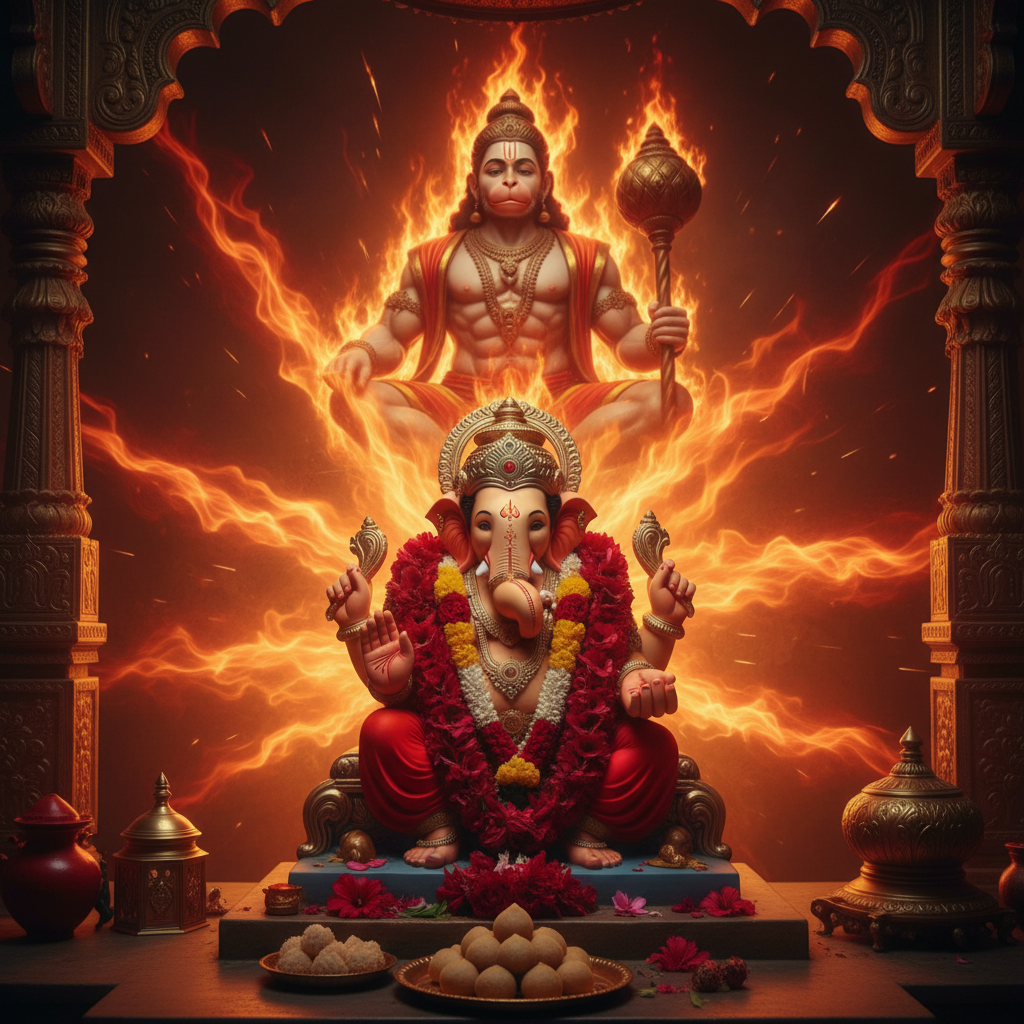
Among all the seed sounds of Hindu tradition, Gam (pronounced with a soft nasal ending) holds a special place as the beej mantra of Lord Ganesha, the deity worshipped first before any undertaking. In its complete form, devotees chant it as Om Gam Ganapataye Namah, meaning 'salutations to Ganapati, who is invoked through the sound Gam'.
Unlike a word with an ordinary dictionary meaning, a beej or 'seed' mantra is understood in tradition as a concentrated sound form of the deity itself, not merely a name describing Ganesha but a vibration through which his presence is invoked.
Scriptural Roots of the Sound Gam
The connection between Ganesha and the sound Gam is explained in the Ganapati Atharvashirsha, a revered Upanishad devoted entirely to him. The text describes how the letters of his own name unfold into this seed sound, so the beej is understood as arising directly from Ganapati's own form rather than being assigned to him from outside.
Tradition holds that sages invoked this sound at the start of Vedic rituals and yagnas, seeking Ganesha's blessing so the ceremony would proceed without hindrance. This is why, over centuries, Gam became the sound most closely tied to auspicious beginnings across Hindu worship.
The Deeper Meaning Behind the Sound
In the tradition of mantra shastra, each part of a beej carries meaning. The consonant Ga is associated with Ganapati and with buddhi, the faculty of intellect and discernment he governs. The nasal sound at the end, called the anuswara or bindu, represents the formless, all-pervading aspect of the divine, the point where individual consciousness is believed to merge with the infinite.
Together, these elements are why devotees consider Gam to be not just a name but a complete invocation: intellect, form and the formless held within a single syllable.
How and When Devotees Chant Gam
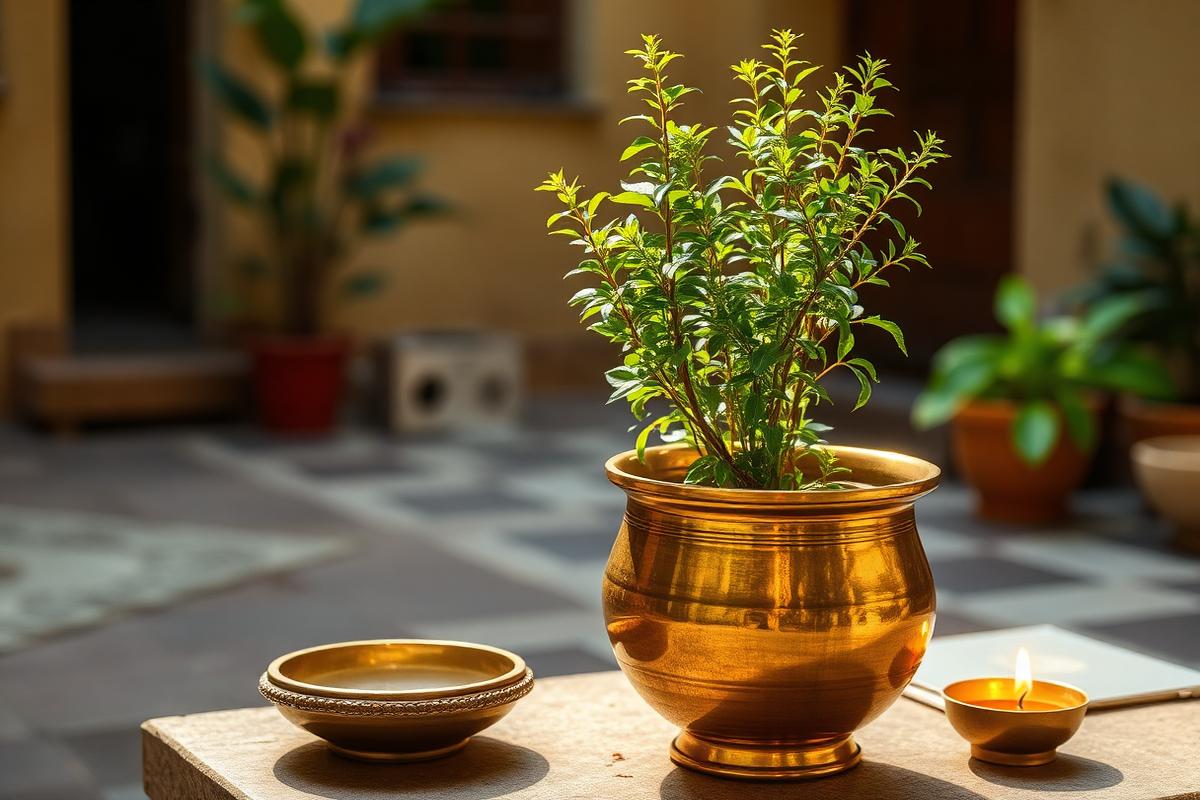
Devotees typically chant Om Gam Ganapataye Namah early in the morning, after bathing, seated facing east, before starting anything new, whether a business, a journey, an exam or a house. Wednesday is traditionally considered dear to Ganesha, and the mantra is chanted with particular devotion during Ganesh Chaturthi.
- A common practice is 108 repetitions using a rudraksha or tulsi mala
- Many devotees simply chant it silently for a few minutes before daily puja
- It is often the very first mantra taught to children in devotional households
- Some recite it before opening account books or beginning festive rituals
Benefits as Per Tradition
As per tradition, chanting Gam with sincerity is believed to clear vighna, the obstacles that stand between intention and achievement, and to sharpen buddhi so decisions are made with clarity rather than confusion. Devotees believe it brings a settled, focused mind before challenges such as exams, interviews or important family decisions.
It is also associated with steadiness through difficulty, families often chanting it together during hard times, trusting that Ganesha's grace helps them find a way through rather than removing the difficulty itself.
A Simple Daily Practice
Gam does not require elaborate ritual to hold meaning. Even a few quiet repetitions before stepping out of the house, said with attention rather than haste, are considered by devotees to carry the same sincerity as a longer sadhana.
Like all mantra practice in Hindu tradition, chanting Gam is an act of faith and love, not a transaction, a small daily pause to ask for clarity before the day's obstacles arrive.
What People Ask Most
What does the Ganesh beej mantra Gam mean?+
Gam is considered the seed sound of Lord Ganesha, drawn from his own name as explained in the Ganapati Atharvashirsha. It is chanted in the full form Om Gam Ganapataye Namah to invoke his blessings of wisdom and the removal of obstacles.
When should Gam be chanted?+
It is traditionally chanted in the morning before starting anything new, such as a journey, exam or business venture. Wednesdays and Ganesh Chaturthi are considered especially auspicious for this chant.
Can this mantra be chanted without a guru's initiation?+
Devotees commonly chant Om Gam Ganapataye Namah without formal initiation, as it is considered one of the most accessible and widely recited mantras in Hindu households, suitable for daily devotional use.
About the author
Acharya Vinaya Kapoor · M.A. Sanskrit, Mantra & Stotra Studies
Acharya Vinaya holds an M.A. in Sanskrit from Banaras Hindu University and writes the mantra and stotra commentary on Vandnaa. Her focus is on accurate pronunciation, traditional context, and helping modern readers connect with classical texts.
Meet the Vandnaa editorial team →