What Vighnaharta Means
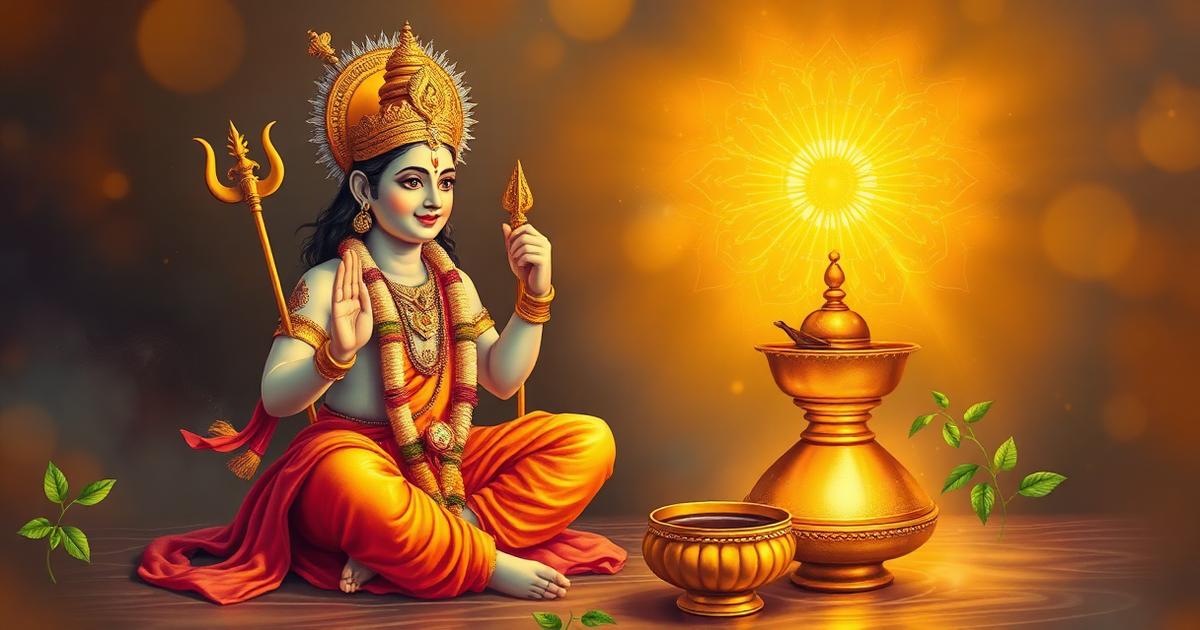
The title Vighnaharta comes from two words, vighna, meaning obstacle, and harta, meaning one who removes. Devotees address Ganesha by this name to honour his role as the deity who clears the unseen difficulties standing between a sincere effort and its completion.
Some traditions also speak of him gently as Vighnakarta, one who can place an obstacle, alongside Vighnaharta, one who removes it, a reminder that Ganesha does not simply erase every hurdle without reason, but tests and then guides those who approach him with humility and sincerity.
How This Role Is Understood in Tradition
Devotees often trace this protective role back to the well loved katha of Ganesha standing guard at Parvati's door, permitting no one to enter uninvited, not even Shiva, until his mother's task was complete. This unwavering devotion to duty is seen as the seed of his later role as guardian against unwanted interruptions in every devotee's life.
Over generations, this guarding of a doorway grew into a wider devotional understanding, that Ganesha stands watch at the threshold of every beginning, examining what approaches with sincerity and clearing the way for what deserves to move forward.
Why Ganesha Is Worshipped Before Anything Else
As per tradition, this is the reason nearly every Hindu ritual, from a wedding to the laying of a foundation stone, from opening a new shop to beginning a school year, opens with an invocation to Ganesha. Even the writing of a letter or the start of a book, in older custom, would often begin with his name.
Devotees see this practice not as superstition but as a settling of the mind, a moment of humility before any undertaking, acknowledging that human effort alone is not always enough and that grace helps smooth the path ahead.
How Devotees Invoke Vighnaharta
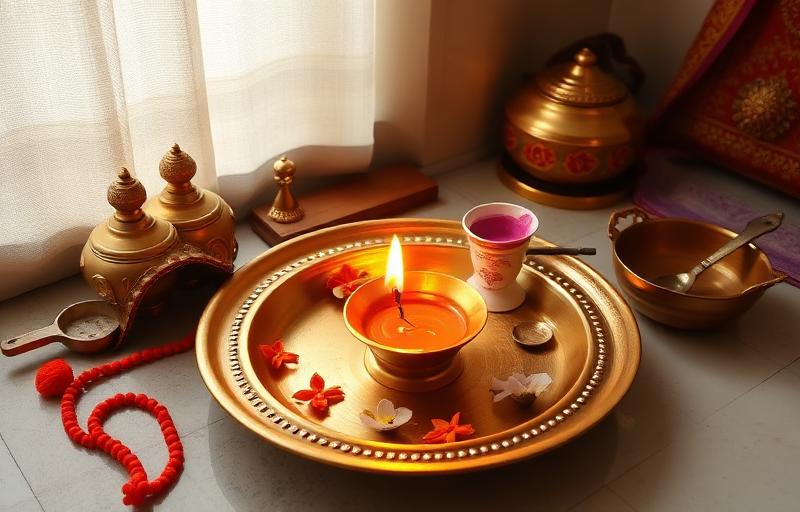
Before starting something important, many devotees light a diya, offer durva grass or a modak, and chant a simple prayer to Ganesha. One widely recited verse is Vakratunda Mahakaya Suryakoti Samaprabha, Nirvighnam Kuru Me Deva Sarva-Karyeshu Sarvada, meaning, O Lord of the curved trunk and mighty form, radiant as a million suns, kindly keep all my endeavours free of obstacles, always.
Even a brief, sincere pause to remember Ganesha, without elaborate ritual, is considered meaningful, since devotion in this tradition is measured by intent rather than grandeur.
A Lesson Beyond Removing Difficulty
For devotees today, invoking Vighnaharta is not a wish for a life free of all difficulty, but a request for the wisdom and steadiness to meet obstacles when they come. Tradition holds that some obstacles teach and shape a person, and Ganesha's grace often works through patience rather than instant removal.
Seeking Ganesha's blessing before a new beginning is an act of faith and love, not a transaction, a way of starting with humility, gratitude and quiet trust rather than anxious haste.
Quick Answers
What does Vighnaharta literally mean?+
It combines vighna, meaning obstacle, and harta, meaning remover, referring to Ganesha's role as the one devotees turn to for clearing difficulties before a new undertaking.
Why is Ganesha worshipped before starting anything new?+
As per tradition, this practice honours Ganesha's status as Vighnaharta and is meant to bring humility and a settled mind before beginning something important, rather than being a guarantee against every difficulty.
Is there a specific mantra to invoke Ganesha as Vighnaharta?+
The Vakratunda Mahakaya shloka is among the most widely recited, asking Ganesha to keep one's endeavours free of obstacles, though a brief sincere prayer is also considered meaningful.
About the author
Acharya Vinaya Kapoor · M.A. Sanskrit, Mantra & Stotra Studies
Acharya Vinaya holds an M.A. in Sanskrit from Banaras Hindu University and writes the mantra and stotra commentary on Vandnaa. Her focus is on accurate pronunciation, traditional context, and helping modern readers connect with classical texts.
Meet the Vandnaa editorial team →