Who Are Riddhi and Siddhi
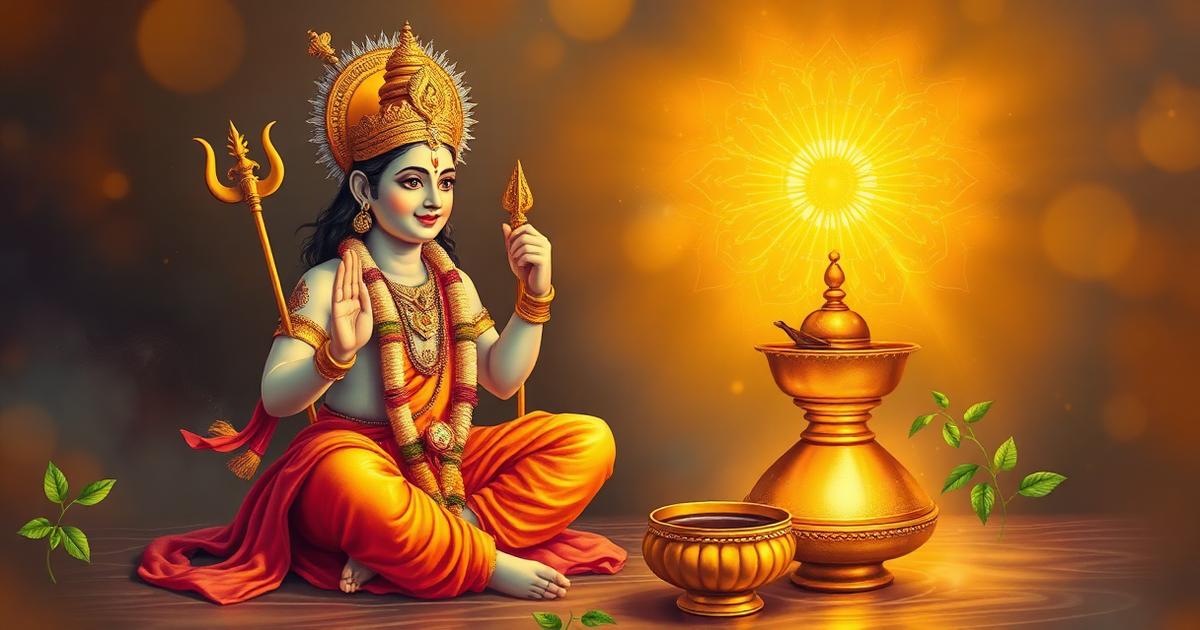
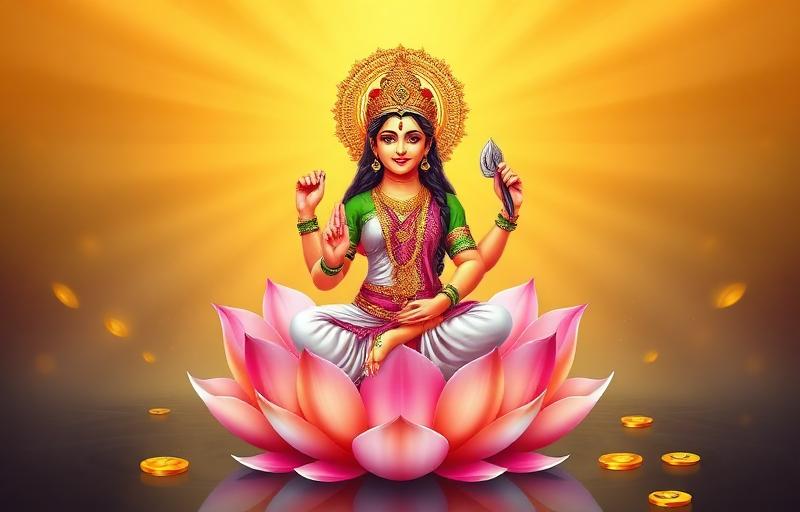
In certain Puranic and regional devotional traditions, particularly across parts of North India, Riddhi and Siddhi are honoured as Ganesha's two consorts. Riddhi represents prosperity and material wellbeing, while Siddhi represents spiritual attainment and accomplishment.
Hindu tradition is wonderfully diverse on this point. In many parts of South India, Ganesha is instead revered as Brahmachari, a celibate deity devoted entirely to his role as remover of obstacles. Both understandings are held with equal devotion in their respective regions, each offering its own way of honouring him.
Their Place in Puranic Tradition
Beyond a literal reading, many devotees interpret Riddhi and Siddhi as Ganesha's inseparable qualities rather than separate figures, expressions of the truth that wherever wisdom resides, prosperity and accomplishment naturally follow.
In some tellings, their sons are named Shubh and Labh, auspiciousness and gain, a pairing many households in Gujarat and Rajasthan still honour by writing 'Shubh Labh' on their doorframes during Diwali, alongside an image of Ganesha.
What Riddhi and Siddhi Represent
Their presence beside Ganesha carries a simple message central to Hindu thought: material and spiritual success are meant to walk together. Wealth without wisdom is considered hollow, while wisdom is believed to bring true and lasting prosperity.
Some traditions add Buddhi, intellect, as a third companion, reflecting regional variety in how this teaching is expressed. Devotees are not expected to choose one interpretation as the only truth; each carries the same underlying faith.
Riddhi-Siddhi in Everyday Worship
The most visible expression of this tradition is the 'Shubh Labh' inscription seen on doorframes, especially during Diwali, invoking Ganesha together with the promise of prosperity and gain that his household is believed to carry. Some devotees also chant Ganesha's names that include references to Riddhi and Siddhi during daily prayers.
This practice is understood as an invitation for auspiciousness into the home, not a guarantee, and is offered in a spirit of gratitude and hope.
A Balanced Devotional Lesson
Whether a devotee's family tradition honours Ganesha with consorts or as Brahmachari, the underlying lesson remains the same: seek wisdom first, and let prosperity follow in its own right measure. Chasing wealth alone, without wisdom, tradition warns, leaves it fragile.
Honouring Riddhi and Siddhi is an act of faith and love, not a transaction, a way of remembering that a balanced life holds both the material and the spiritual with equal care.
Quick Answers
Are Riddhi and Siddhi mentioned in the Vedas?+
No, they belong to later Puranic and regional devotional tradition, and their portrayal varies across texts and regions rather than following one fixed account.
Does every tradition consider Ganesha married?+
No, many traditions, especially in parts of South India, revere Ganesha as Brahmachari, a celibate deity. Both views are held with sincere devotion in their respective regions.
What do Shubh and Labh represent?+
In some tellings they are Riddhi and Siddhi's sons, symbolizing auspiciousness and gain. Their names are commonly written on doors beside an image of Ganesha during Diwali.
About the author
Pandit Mahesh Trivedi · Festival Traditions & Panchang
Pandit Mahesh leads the festival-date and Panchang content on Vandnaa. He cross-references multiple regional panchangs (Drik, Vaishnava, Bengali, Marathi) for every festival date published on the site.
Meet the Vandnaa editorial team →