What Is the Ganesha Sahasranama
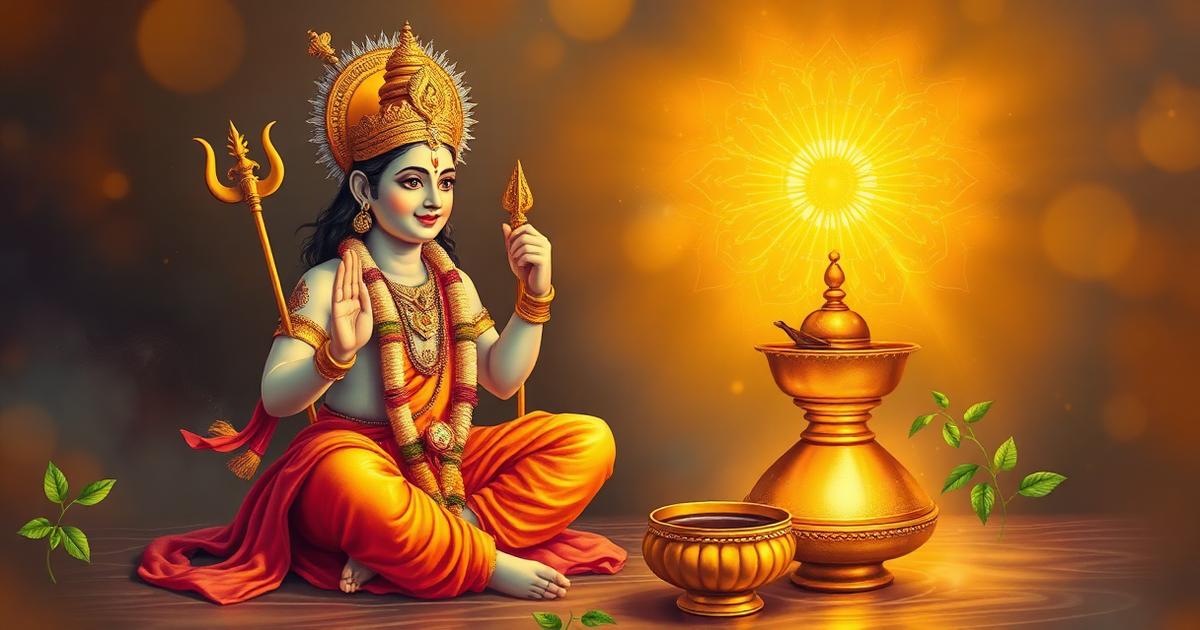
Sahasranama means a thousand names, a devotional format shared by several major deities in Hindu tradition, including Vishnu, Shiva and the Goddess in her form as Lalita. The Ganesha Sahasranama gathers together a thousand names of Ganesha, drawn from Puranic and devotional tradition, each name capturing a different quality, story reference or aspect of him.
Devotees regard this vast collection not as repetition, but as an attempt to express in words how expansive and many-sided their beloved deity's grace truly is, since no single name could ever be enough.
How the Stotra Is Structured
The Sahasranama is composed in Sanskrit as a flowing stotra, with names strung together in short rhythmic phrases meant for chanting or singing. It is considerably longer than the more commonly recited Ashtottara Shatanamavali, the list of 108 names, and is usually reserved for special occasions rather than brief daily prayer.
Many devotees recite it in full during Ganesh Chaturthi or on a dedicated Sankashti observance, while others read select passages during quieter moments of daily worship, treating the full recitation as an occasional, more elaborate offering.
What the Names Reveal
Across its thousand names, the Sahasranama touches on the many forms, stories and qualities devotees already hold dear, calling him Vighnaharta, Ekdant, Lambodar, Gajanan, Vinayaka and countless other names, each echoing a katha or a quality described elsewhere in tradition.
Read together, the names form a kind of devotional portrait built from a thousand small brushstrokes, each one true on its own, and together painting a fuller picture than any single description could offer.
How Devotees Recite the Sahasranama
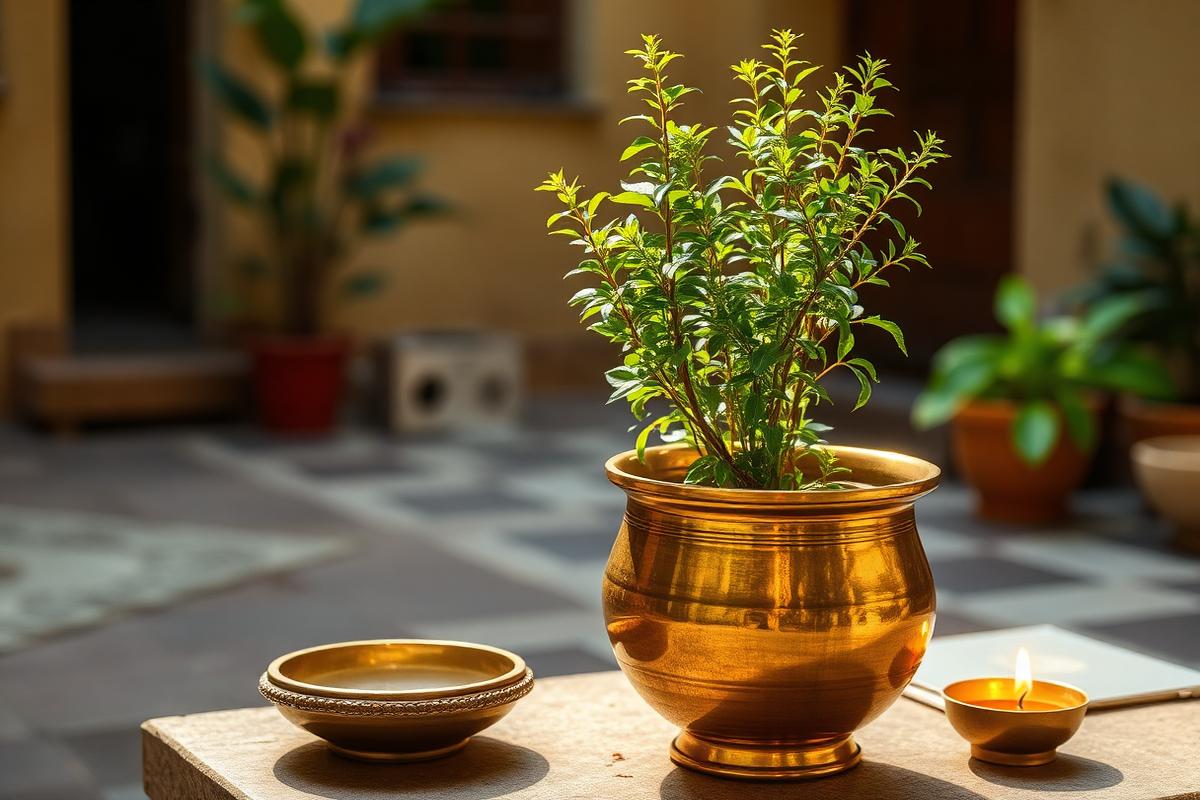
A cherished way of engaging with the Sahasranama is through archana, offering a single flower, durva blade or grain of akshat with each name as it is chanted, so that by the end, a thousand small offerings have accompanied the thousand names. This practice, often led by a priest with devotees joining in, is common during Ganesh Chaturthi and other special Ganesha observances.
Others simply listen to a full recitation as a form of quiet meditation, letting the rhythm of the names wash over them without needing to follow each word individually.
A Practice of Remembrance, Not a Count to Complete
For devotees today, the Sahasranama is a reminder that chanting is less about reaching a number and more about the quality of remembrance behind it. There is no expectation to memorise all thousand names; even repeating a few beloved ones, like Ekdant or Vighnaharta, with sincerity carries the same devotional weight.
Engaging with the Sahasranama, whether in full or in part, is an act of faith and love, not a transaction, a way of letting the mind rest for a while on the many faces of one familiar, comforting presence.
Frequently Asked Questions
What does Sahasranama mean?+
Sahasranama means a thousand names, a devotional hymn format used for several deities in Hindu tradition, with the Ganesha Sahasranama gathering a thousand names of Ganesha.
Is chanting all 1000 names necessary for its benefit?+
No, devotees hold that sincerity matters more than completing the full count, and repeating even a few beloved names with genuine devotion is considered meaningful.
Is the Ganesha Sahasranama the same as the Ashtottara?+
No, the Ashtottara lists 108 names and is more commonly used for quick daily recitation, while the Sahasranama's thousand names form a longer stotra usually reserved for special occasions.
About the author
Acharya Vinaya Kapoor · M.A. Sanskrit, Mantra & Stotra Studies
Acharya Vinaya holds an M.A. in Sanskrit from Banaras Hindu University and writes the mantra and stotra commentary on Vandnaa. Her focus is on accurate pronunciation, traditional context, and helping modern readers connect with classical texts.
Meet the Vandnaa editorial team →