Ganga Sagar - Where the Ganga Meets the Ocean
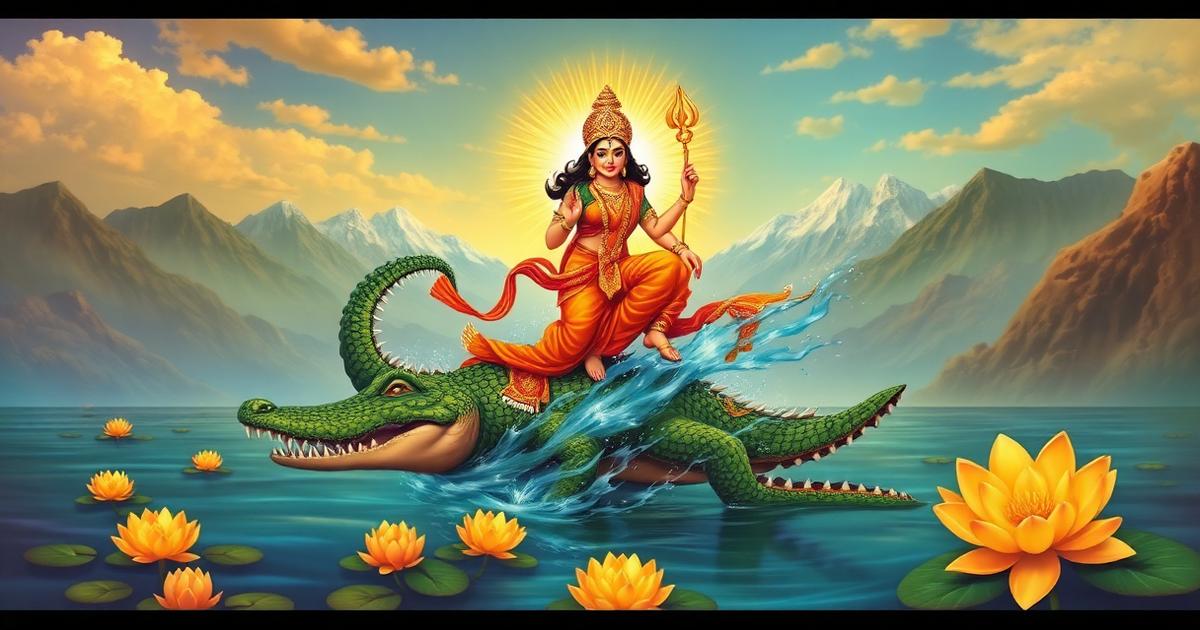
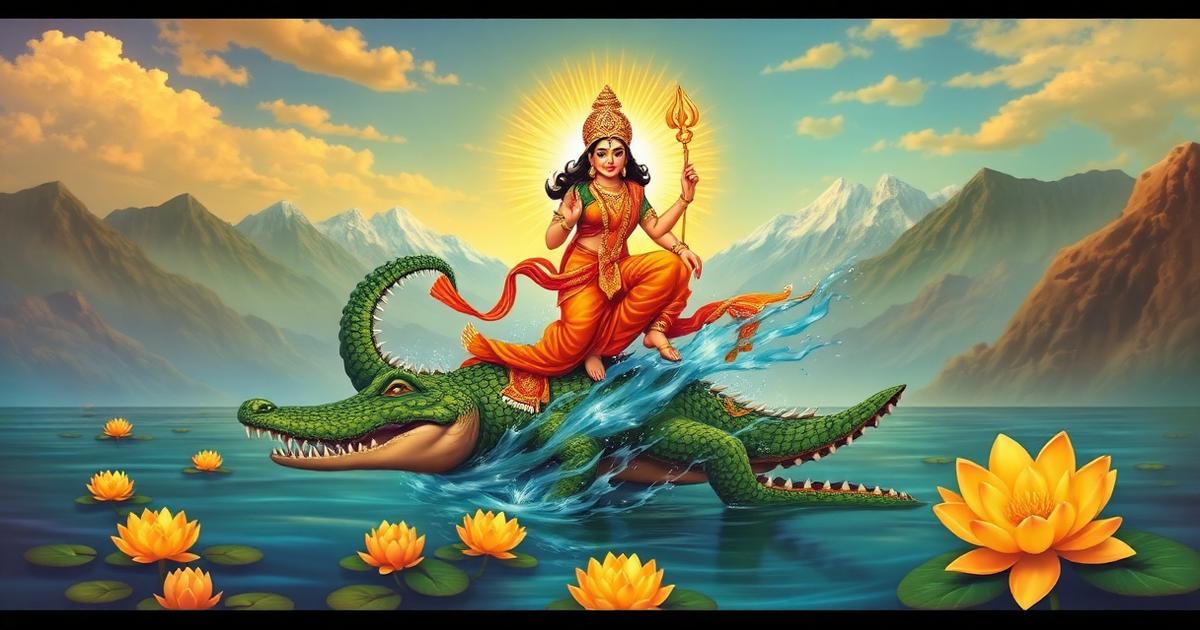
Ganga Sagar, on Sagar Island at the southern tip of West Bengal, is the place where the Ganga completes her earthly journey and merges into the Bay of Bengal. If Gangotri is the river's birth and Haridwar her entry into the plains, Sagar is her sangam with the infinite, and bathing here is held to carry the merit of her entire course. A famous saying captures its rank among tirthas: *"Sab tirth bar bar, Ganga Sagar ek bar"* - all other tirthas may be visited again and again, but Ganga Sagar once is enough. The island itself is flat, windswept and fringed with casuarina groves, and the snan happens on an open sea-beach where river and ocean are no longer distinguishable: a fitting image of the jiva merging into the divine.
The Katha of King Sagara's 60,000 Sons
The island's sanctity rests on one of the great kathas of the tradition. King Sagara of the Ikshvaku line performed an Ashwamedha yagna, but Indra, fearing its power, stole the sacrificial horse and tied it near the ashram of the meditating sage Kapil Muni, on this very island. Sagara's 60,000 sons traced the horse there and, mistaking the silent sage for the thief, insulted him. Kapil Muni opened his eyes, and the fire of his tapas reduced all sixty thousand to ashes, their souls left without deliverance. Generations later, prince Anshuman and king Dilip strove for their release, and finally Bhagirath performed such tapasya that Ganga agreed to descend from heaven, with Shiva receiving her in his jata. Bhagirath led her across Bharat to this island, where her waters touched the ashes and the 60,000 souls rose to moksha. Every snan at Ganga Sagar re-enacts that deliverance.
Kapil Muni Ashram - The Heart of the Tirtha
The Kapil Muni temple, a short walk from the bathing beach, is the devotional centre of Sagar Island. Kapil Muni is revered as an avatar of Vishnu and as the original teacher of the Sankhya darshan, one of the six classical schools of Hindu philosophy, which makes this shoreline both a bhakti tirtha and a jnana tirtha. The sanctum enshrines images of Kapil Muni flanked by Ganga Devi and Bhagirath, keeping the whole katha visible in one darshan. Because the sea has repeatedly claimed older shrines, the present temple is a modern structure, rebuilt as its predecessors were lost to erosion; locals see in this, too, a teaching about impermanence beside the eternal river. After the snan, pilgrims offer puja here, and during the mela the temple forecourt becomes a sea of sadhus, Naga babas and chanting yatris from every corner of India.
The Makar Sankranti Mela - India's Second Largest Gathering
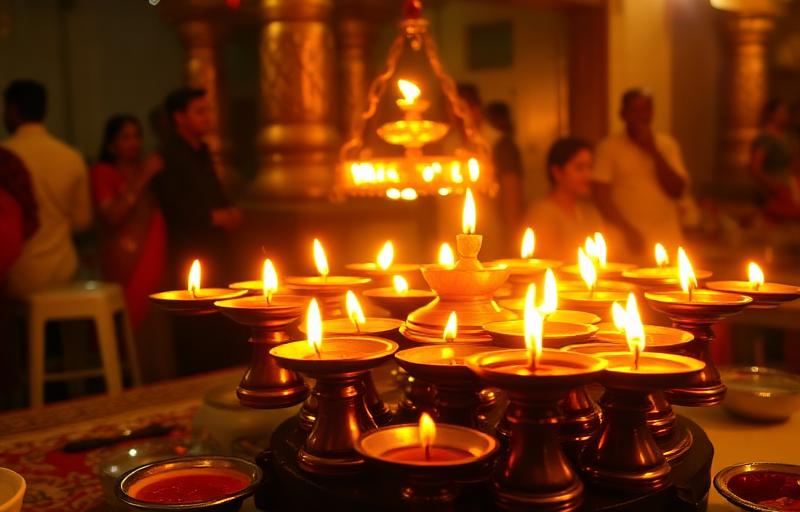
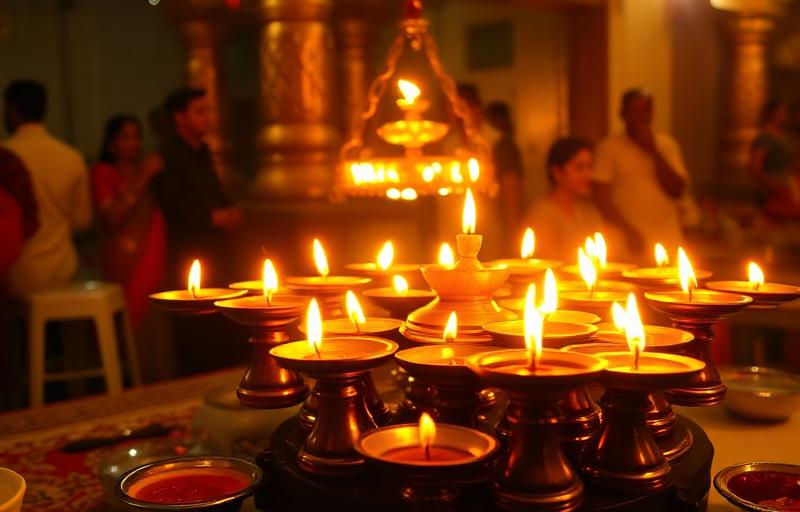
The Ganga Sagar Mela, held around Makar Sankranti in mid-January, is commonly described as the largest annual pilgrim gathering in India after the Kumbh, drawing tens of lakhs to the island over a few days. The Sankranti snan, taken as the sun enters Makara, is the heart of the mela: in the chill before dawn, vast crowds enter the grey winter sea chanting Kapil Muni ki jai and Ganga maiya ki jai, then stream toward the temple with dripping clothes and lamps. The mela grounds host akhara camps, continuous kirtan, langars and cultural mandaps, while the state administration runs an enormous temporary infrastructure of buses, vessels, medical posts and volunteers. Pilgrims who cannot come at Sankranti also bathe on other punya days, and the island stays serene and contemplative through the rest of the year.
Snan Vidhi - How Pilgrims Bathe at Ganga Sagar
The traditional vidhi is simple and deeply felt. Pilgrims enter the water facing the rising sun, take a sankalp naming themselves, their gotra and their prayer, and immerse three times, remembering Ganga, Kapil Muni and their own ancestors. Many offer arghya to Surya, float flowers or a diya on the waves, and perform tarpan for the departed, for a tirtha born of the liberation of 60,000 souls is held to be especially powerful for pitru karya. After the snan, devotees gather a little sagar sand or fill a bottle of the confluence water as prasad, then proceed to Kapil Muni's temple for darshan and puja, completing the yatra in the order the katha itself suggests: first Ganga's touch, then the rishi's grace. Charity follows naturally; feeding sadhus and the poor at the mela langars is considered part of the snan's fruit.
Island Logistics - How to Reach Sagar Island
Reaching Ganga Sagar is itself a small yatra, because Sagar Island has no road bridge from the mainland. From Kolkata (roughly 100 km away, with the nearest airport and major railhead), pilgrims travel by road or suburban train toward Kakdwip, then to Harwood Point (Lot 8) jetty. From there, ferries and launches cross the Muriganga river to Kachuberia on the island's northern tip, a crossing governed by the tides, after which buses and shared vehicles cover the 30-odd km to the Kapil Muni temple and beach. During the mela, the administration runs extra vessels, barges and buses, but tide-dependent waits are part of the experience; pilgrims fill them with kirtan. Tips: travel light, keep warm layers for the January sea wind, carry essentials since the island has simple facilities, prefer daylight crossings, and keep buffer time on both legs of the journey.
Best Time to Visit Ganga Sagar
For the full devotional spectacle, come for the Makar Sankranti mela in mid-January, prepared for cold sea winds, vast crowds and tide-bound waits; the reward is one of the most stirring snan mornings in all of Bharat. Those who prefer the tirtha in solitude should visit between November and February outside the mela window, when the weather is cool and the beach often nearly empty, with unhurried darshan at Kapil Muni's temple. Ganga Dussehra and Kartik Purnima are also observed with bathing. Summer is hot and humid on the island, and the monsoon (June to September) brings rough seas and occasional cyclonic weather in the Bay of Bengal, when crossings can be suspended; it is best avoided for the yatra. Whatever the season, plan around the tide tables for the Muriganga crossing, the one schedule on Sagar Island that even the mela obeys.
Quick Answers
What does the saying "Sab tirth bar bar, Ganga Sagar ek bar" mean?+
It means all other tirthas may be visited again and again, but a single yatra to Ganga Sagar suffices. The saying honours both the difficulty of reaching the island in earlier times and the immense merit of bathing where the Ganga merges into the ocean.
What is the story of King Sagara's 60,000 sons?+
Indra hid King Sagara's sacrificial horse near Kapil Muni's ashram on Sagar Island. The king's 60,000 sons accused the meditating sage of theft and were burned to ashes by his tapas. Generations later Bhagirath brought the Ganga down from heaven, and her waters touched the ashes and liberated all 60,000 souls.
Who was Kapil Muni and why is his ashram important?+
Kapil Muni is revered as an avatar of Vishnu and the founding teacher of the Sankhya darshan. His ashram on Sagar Island is where Sagara's sons were reduced to ashes and later liberated by the Ganga, and his temple remains the devotional heart of the Ganga Sagar tirtha.
When is the Ganga Sagar Mela held?+
The mela is held around Makar Sankranti in mid-January, when the sun enters Makara. It is widely described as India's largest annual pilgrim gathering after the Kumbh, with the holy snan taken in the sea at dawn followed by darshan at the Kapil Muni temple.
How do I reach Sagar Island for the snan?+
From Kolkata, travel by road or train toward Kakdwip and the Harwood Point (Lot 8) jetty, then cross the Muriganga river by ferry to Kachuberia, and continue about 30 km by bus or shared vehicle to the Kapil Muni temple and beach. Crossings depend on the tides, so keep buffer time.
Can Ganga Sagar be visited outside the Makar Sankranti mela?+
Yes. The tirtha is open through the year, and November to February outside the mela window offers cool weather and a nearly empty beach for unhurried snan and darshan. The monsoon months are best avoided because rough seas can suspend the ferry crossings.
About the author
Pandit Mahesh Trivedi · Festival Traditions & Panchang
Pandit Mahesh leads the festival-date and Panchang content on Vandnaa. He cross-references multiple regional panchangs (Drik, Vaishnava, Bengali, Marathi) for every festival date published on the site.
Meet the Vandnaa editorial team →