Ganga Saptami - The Day Maa Ganga Returned to Earth
Most people know Ganga Dussehra. Very few know about its more powerful 'younger sister' - Ganga Saptami.
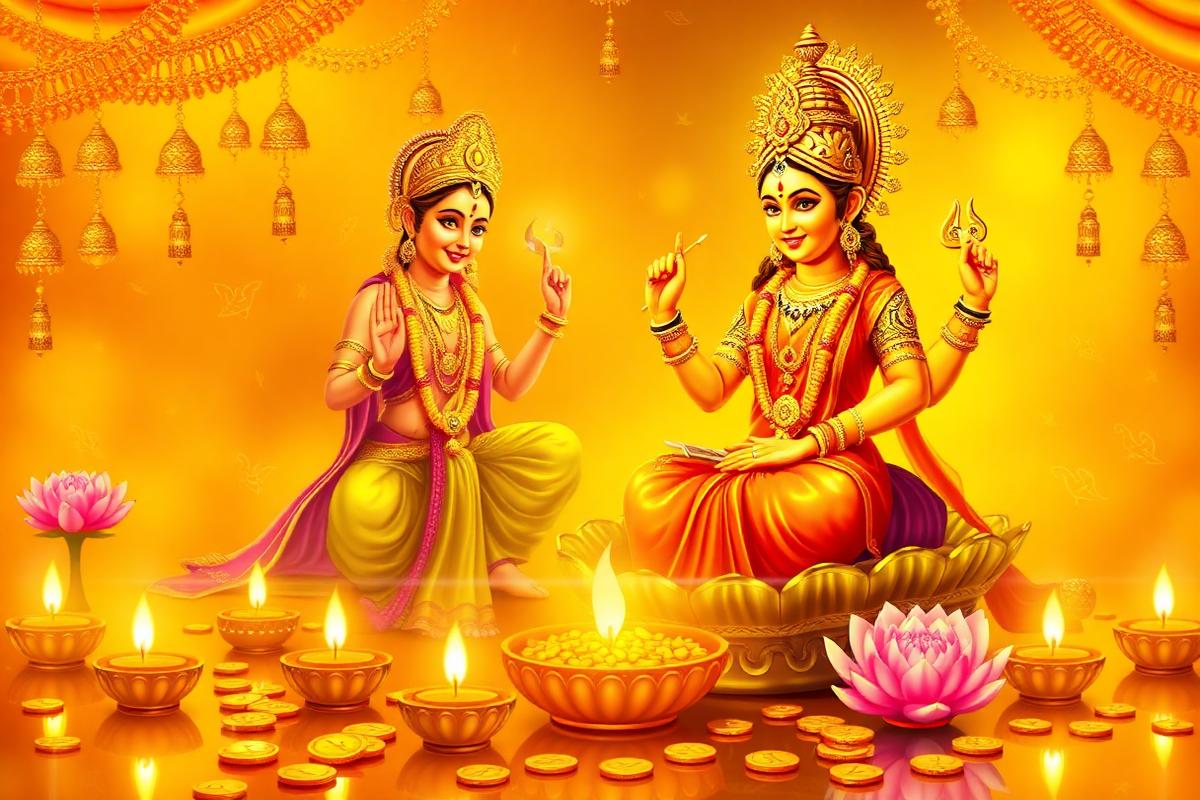
On this day, the unstoppable river that had flooded Rishi Jahnu's ashram was swallowed by the angry sage. Devas and Bhagiratha begged him for mercy. The sage finally released Ganga from his right ear - and that is the moment we celebrate as Ganga Saptami. From that day she also got the name Jahnavi (daughter of Jahnu).
Ganga Saptami 2026 falls on Sunday, 3 May 2026. Saptami tithi begins at 7:14 AM on May 3 and ends at 4:38 AM on May 4. The most auspicious snan and daan muhurat is 10:57 AM – 1:38 PM on May 3.
Scriptures say a single dip in the Ganga today equals 1,000 dips on a normal day. If you cannot reach a ghat, even a few drops of Ganga jal mixed in your bath water with the right mantra carries the same punya.
🙏 Open the Vandnaa App on Ganga Saptami morning to play the Ganga Aarti and chant the Ganga Stotram with synced lyrics - completely free.
Ganga Saptami 2026 - Tithi, Snan Muhurat & Pradosh Kaal
📅 Date: Sunday, 3 May 2026 🕒 Saptami Begins: 7:14 AM, 3 May 2026 🕒 Saptami Ends: 4:38 AM, 4 May 2026
Brahma Muhurat Snan: 4:12 AM – 4:54 AM Best Public Snan Muhurat: 10:57 AM – 1:38 PM Pradosh Kaal Aarti: 6:52 PM – 8:23 PM
Where the punya multiplies most: Haridwar (Har-ki-Pauri), Rishikesh (Triveni Ghat), Varanasi (Dashashwamedh Ghat), Prayagraj (Sangam), Gangotri, and Garhmukteshwar. Even small Ganga ghats in your district carry full effect today.
If You Cannot Visit a Ghat - The Complete At-Home Ganga Snan Vidhi
Crores of devotees cannot reach a Ganga ghat. The shastras have a beautiful provision for them - Manasik Ganga Snan. Done correctly, it gives the same punya as a real dip.
Step 1: Wake before sunrise. Keep a copper or steel lota of clean water ready. Add 8–10 drops of pure Ganga jal (every Hindu home should keep some).
Step 2: Sit facing east. Sprinkle a few drops on your head and chant 7 times: 'Gange cha Yamune chaiva Godavari Saraswati / Narmade Sindhu Kaveri jale'smin sannidhim kuru.' This invokes all 7 sacred rivers into your bathing water.
Step 3: Now bathe normally with this charged water. While bathing, mentally see yourself standing waist-deep in the Ganga at Haridwar.
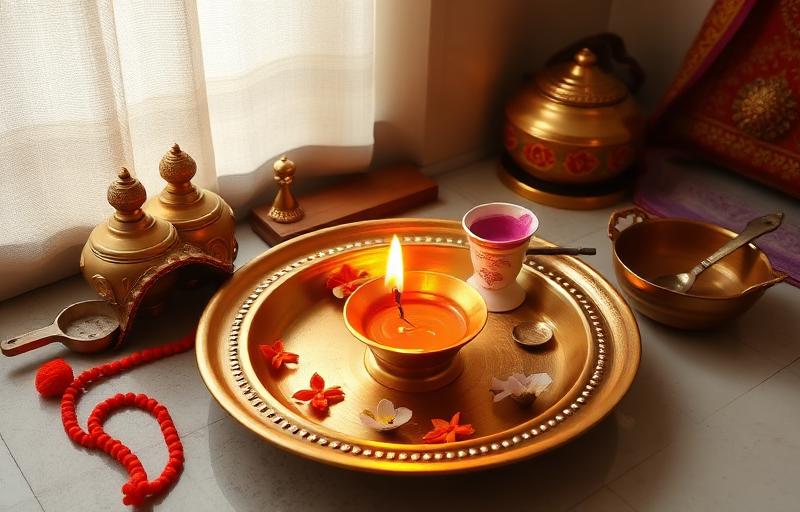
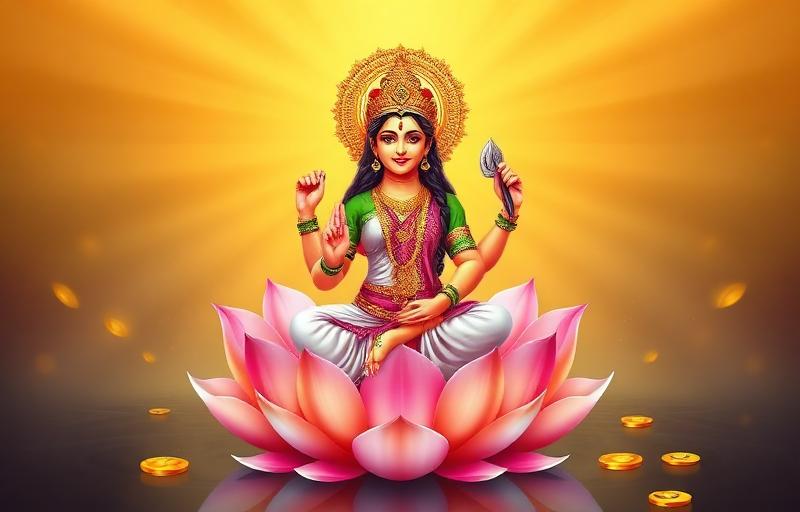
Step 4: After bath, light a diya, offer one red flower and one supari to a small picture of Maa Ganga, and chant 'Om Namo Gangayai Vishwarupinyai Namonamah' 11 times.
Step 5: Donate something today - wheat, ghee, white cloth, or simply feed water to a thirsty animal. Daan on Ganga Saptami multiplies a thousand times.
5 Most Powerful Ganga Mantras to Chant Today
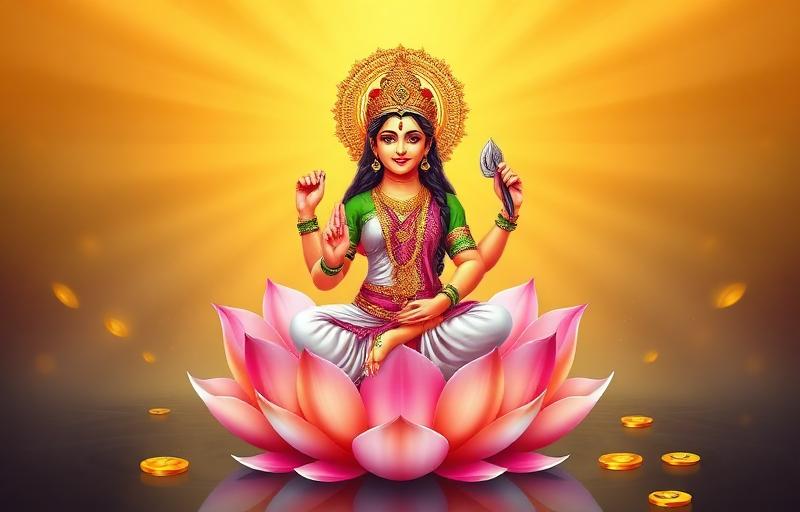
1. Beej Mantra (108 times): 'Om Namo Gangayai Swaha' For washing away accumulated karma.
2. Ganga Gayatri (11 times): 'Om Namo Bhagavatyai Dasha-paap-haranyai Gangayai Namah Swaha' Destroys the 10 categories of sin.
3. Snan Mantra (1 time, before bath): 'Gange cha Yamune chaiva...' (full shloka above)
4. For a flowing ailment-free life (21 times): 'Om Vishnupadabjasambhute Ganga Tripathagamini / Dharmadrava iti Khyate Pap mein Hara Jaahnavi.'
5. For Pitra Shanti (during tarpan): 'Om Pitra Devta Swadha Namah / Gange Maa Tripathage Devi Tarpayami Namo Namah.'
Doing tarpan with a few drops of Ganga jal on this day gives moksha to ancestors who have been waiting for generations.
5 Proven Spiritual Benefits of Observing Ganga Saptami
1. Removal of Pitra Dosh: Tarpan with Ganga jal on this day is the single most effective remedy for pitra dosh - even more than Pitru Paksha rituals.
2. Skin & Health Healing: Ganga jal contains natural bacteriophages. Bathing with it on this day is traditionally said to cure long-standing skin issues.
3. Mind purification: Devotees consistently report deep mental clarity and reduction in 'manasik bhojha' (mental burden) after Ganga Saptami snan.
4. Shani-Rahu relief: Sunday + Saptami + Ganga is a rare combination that pacifies Shani and Rahu doshas in the kundali.
5. Moksha sankalp: A sincere sankalp taken at the Ganga today is believed to complete within one year. Use it for genuine spiritual goals - not material greed.
How Ganga Descended to Earth - The Complete Story
The story of Ganga's descent (Gangavatarana) is one of the most profound stories in Hindu mythology - combining cosmic astronomy, devotion, and the power of tapasya:
The Sagara princes: King Sagara of the Ikshvaku dynasty performed an Ashwamedha Yajna (horse sacrifice) to prove his supremacy. Indra, threatened, stole the horse and hid it near the ashram of Sage Kapila in the netherworld. The 60,000 sons of Sagara went to find the horse - and, mistaking Sage Kapila for the thief, disturbed him in deep meditation. Kapila's eyes opened - and the 60,000 princes were instantly turned to ash.
The tapasya begins: The grandchildren of Sagara wanted to liberate the souls of the 60,000 princes. For that, they needed the waters of the Ganga - who lived in the celestial realm - to touch the ashes. But Ganga was too powerful to come to earth directly - her force would destroy everything. Someone with extraordinary spiritual power was needed to receive her first.
Bhagirath's tapasya: King Bhagirath performed intense tapasya for 1,000 divine years - standing on one leg, eating only leaves, facing burning heat and cold. Brahma appeared and granted his wish - Ganga would descend. But who would break her fall?
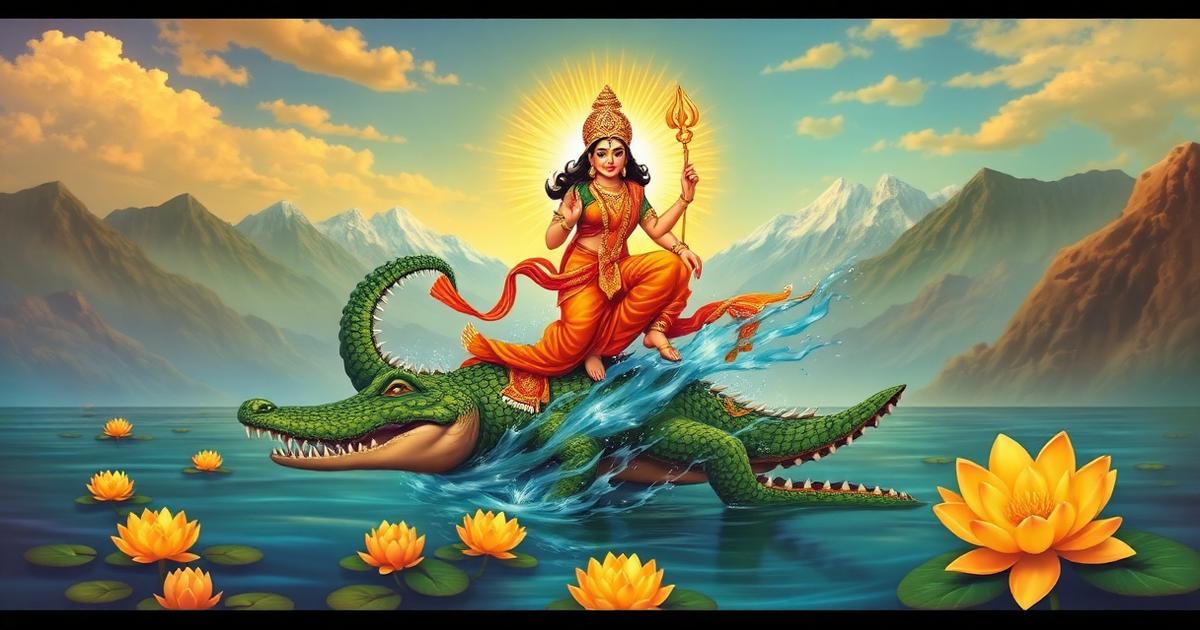
Shiva steps in: Ganga, proud of her power, decided to descend with full force. Bhagirath prayed to Shiva. Shiva caught the full force of the celestial Ganga in his matted hair (jata) - absorbing her power completely. Then he released her in gentle streams - this is why Shiva is called Gangadhara (bearer of Ganga).
Ganga touches earth on Vaishakha Shukla Saptami - Ganga Saptami.
What the story means: No amount of sin is permanent if genuine effort (tapasya) is made toward liberation - not just for oneself, but for all those who came before. Bhagirath acted for 60,000 others, not for himself. The highest devotion is selfless.
🙏 Vandnaa App has the complete Ganga Saptami mantras and Ganga Stotra - set your May 2026 reminder today.
How to Celebrate Ganga Saptami at Home - Without Going to the River
Not everyone can travel to Haridwar or Varanasi on Ganga Saptami. Here is a complete home celebration guide that captures the full spiritual benefit:
Morning ritual (before 9 AM): 1. If you have Gangajal at home - mix 5-10 drops in your bathing water and bathe with the intention of purification. Chant 'ॐ गंगे च यमुने चैव गोदावरी सरस्वति। नर्मदे सिन्धु कावेरि जलेऽस्मिन् सन्निधिं कुरु॥' while bathing. 2. If no Gangajal - visualize the Ganga flowing through your bathing water. Intention is equally powerful.
Puja: 1. Fill a copper kalash with clean water. Add a betel leaf, a coin, and a flower. 2. Place it on your altar next to an image of Ganga Maa or a photo of Haridwar/Varanasi 3. Light a diya and offer white flowers (jasmine, lotus, or white marigold) 4. Chant the Ganga Ashtakam (or minimum the Ganga Beej mantra: 'ॐ गं गंगायै नमः॥' 108 times) 5. Pour the water from the kalash into a plant or clean outdoor area at the end - do not throw in drain
Charity on Ganga Saptami: The most powerful donation on this day is providing clean drinking water to someone. You can:
- Fill water bottles and give to daily workers, construction workers, or anyone doing outdoor labor
- Donate to a water purification project
- Sponsor a tube well or hand pump in a drought-prone village
What to read or listen to:
- Ganga Stotra (Shankaracharya's Ganga Ashtakam is the most famous)
- Ganga Lahiri by Pandit Jagannatha
- The Gangavatarana story from Balmiki Ramayana, Bala Kanda
Ganga Saptami 2026: May 3, 2026 (Vaishakha Shukla Saptami)
🙏 Vandnaa App has the Ganga Ashtakam, Ganga Stotra, and Ganga Aarti - all with audio, free to stream or download.
Reader Questions Answered
What is the difference between Ganga Saptami and Ganga Dussehra?+
Ganga Saptami marks the day Maa Ganga emerged from Rishi Jahnu's ear (became Jahnavi). Ganga Dussehra (3 days later, on Dashami) marks the day she actually descended from heaven to earth. Saptami is for inner purification; Dussehra is for collective prayer.
Can I store Ganga jal at home permanently? Does it ever go bad?+
Yes - Ganga jal never goes bad. Scientific studies confirm it contains bacteriophages that prevent decay. Store it in a copper, silver or clean glass vessel in the puja ghar. Never keep it on the floor or near impure things. Refill annually on Ganga Saptami or Ganga Dussehra for maximum potency.
Is fasting compulsory on Ganga Saptami?+
No, vrat is not compulsory. The main rituals are snan, daan and Ganga stotram path. However, those who do a phalahar vrat (fruits + milk only) and break it after evening Ganga aarti receive multiplied blessings. Diabetics and elderly should not fast - devotion matters more than the empty stomach.
About the author
Acharya Vinaya Kapoor · M.A. Sanskrit, Mantra & Stotra Studies
Acharya Vinaya holds an M.A. in Sanskrit from Banaras Hindu University and writes the mantra and stotra commentary on Vandnaa. Her focus is on accurate pronunciation, traditional context, and helping modern readers connect with classical texts.
Meet the Vandnaa editorial team →