Garjiya Devi: The Goddess on the Kosi River
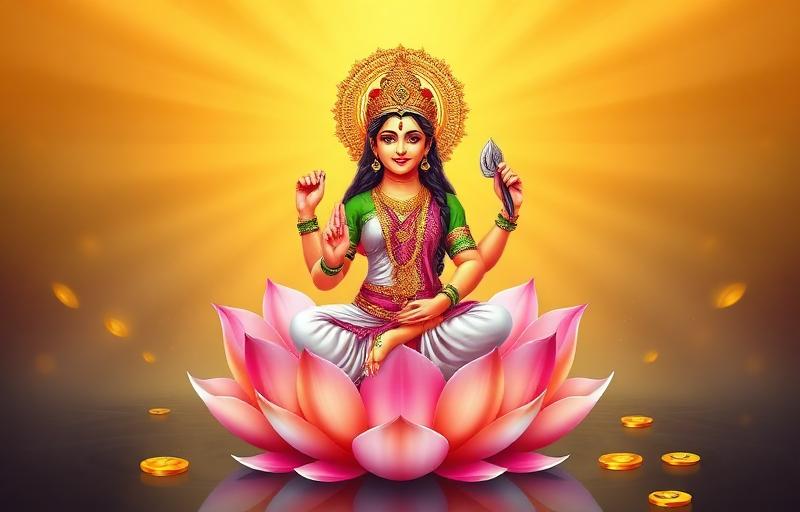
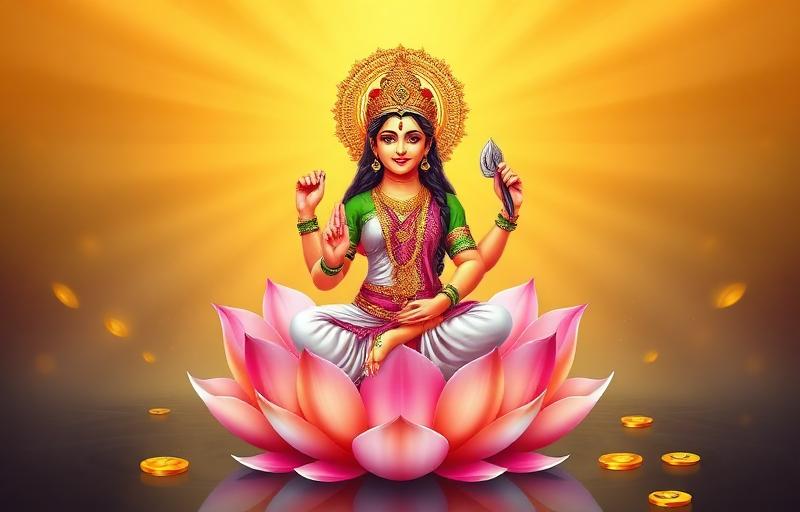
On a great rock rising from the middle of the Kosi river, near Ramnagar in Nainital district and close to Jim Corbett National Park, stands the Garjiya Devi Temple, one of the most visited Shakti shrines of Kumaon. The Goddess here is worshipped as a form of Mata Parvati, seated in the flowing waters as the protector of the region and of every devotee who crosses the river to seek her darshan.
A hanging bridge over the Kosi leads pilgrims to the base of the rock, from where a flight of stone steps, traditionally counted as around ninety, climbs up to the sanctum. The setting itself, river on every side, forest around, and the goddess enthroned above, gives the temple a distinct, almost otherworldly atmosphere that devotees describe as deeply calming.
The Legend Behind Garjiya Devi
Local tradition holds that a large boulder from the nearby hill, known locally as Garjiya parvat, rolled down toward the Kosi during a period of flooding, and came to rest in the middle of the river. Devotees came to see this as the Goddess herself choosing to settle there and protect the village and the river crossing from further disaster.
Over time a shrine grew on the rock and the deity came to be called Garjiya Devi, guardian of the Kosi. Some traditions connect her with Parvati's protective form, watching over the forests, the river and the people of the valley. Whatever the precise origin, the temple has for generations been the first stop of faith for the people of Ramnagar before any important task or journey.
Significance and the Kartik Purnima Mela
Devotees come to Garjiya Devi to seek protection from calamity, especially the fury of the river during the monsoon, and to pray for the well being of their families, health, and success in new undertakings. Newly married couples and new parents are often brought here for blessings, as she is regarded as a guardian mother figure of the region.
The temple is at its most vibrant during Kartik Purnima, when a large mela is held on the banks of the Kosi. Thousands of devotees gather for darshan, bathe in the river as an act of purification and browse the stalls that spring up along the riverbank. Navratri too draws large crowds who come to offer prayers.
Darshan Timings and How to Reach
The temple is generally open through the day for darshan, with the mornings and evenings, when the aarti is performed, considered especially auspicious. Garjiya Devi Temple is located a short distance from Ramnagar town in Nainital district, on the route toward Jim Corbett National Park, and is easily combined with a Corbett visit.
Ramnagar has its own railway station connected to major cities, while the nearest airport is Pantnagar. From Ramnagar, the temple is a short drive followed by a walk across the hanging bridge and the climb up the stone steps to the sanctum.
Mantra and a Devotee's Takeaway
Devotees at Garjiya Devi often chant simple invocations to Devi Parvati, especially Om Girijayai Namah, meaning salutations to the daughter of the mountain, along with the Durga beej mantra Om Dum Durgayai Namah.
A visit to Garjiya Devi is as much about the journey, crossing the river, climbing the steps, as the darshan itself. The temple's quiet strength reminds every devotee that the Divine Mother watches over both the land and the people who depend on it. Worship here, as everywhere, is an act of faith and love, not a transaction.
What People Ask Most
Who is Garjiya Devi?+
Garjiya Devi is worshipped as a form of Mata Parvati, enshrined on a rock in the Kosi river near Ramnagar, regarded as the guardian of the region and of the devotees who cross the river for her darshan.
What is the best time to visit Garjiya Devi Temple?+
The Kartik Purnima mela and Navratri are the most significant occasions, though the temple remains accessible for darshan through the year outside periods of heavy monsoon flooding.
How many steps lead to the Garjiya Devi temple?+
From the hanging bridge, pilgrims climb a flight of stone steps traditionally counted at around ninety to reach the sanctum atop the rock.
About the author
Pandit Ravindra Sharma · Vedic Rituals & Bhakti, 22+ years
Pandit Ravindra is the Vandnaa editorial team's resident specialist on aarti, chalisa, and daily devotion. He has performed home and temple pujas across Varanasi and Delhi for over two decades and contributes the bhakti-focused articles on this site.
Meet the Vandnaa editorial team →