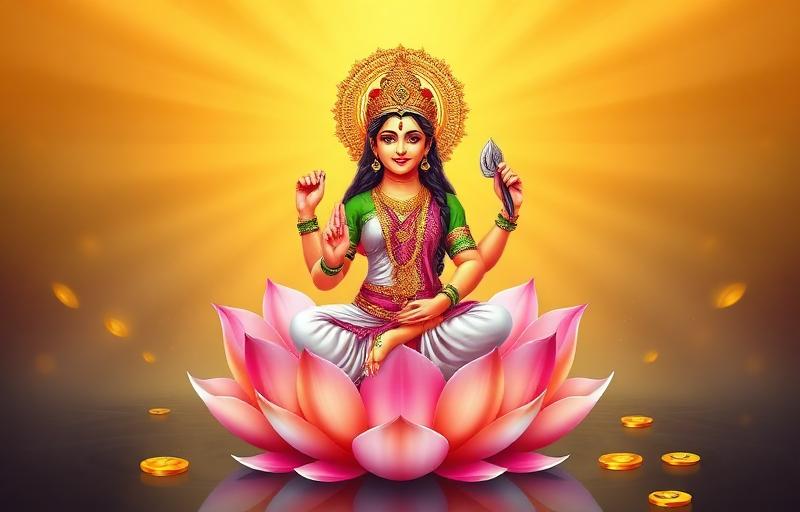
What the Gayatri Mantra Is
The Gayatri Mantra is drawn from the Rigveda, a prayer to Savitr, the solar deity, invoked as Goddess Gayatri, asking for the light of wisdom to guide the mind. It is one of the most widely chanted mantras across Hindu tradition, recited by people of many different backgrounds.
This piece is about the jaap vidhi, the correct time, preparation, count and rules traditionally observed while chanting it, not the meaning of its twenty-four syllables, which is covered elsewhere.
The Three Sandhya Times
Tradition holds three times of day as most suited for Gayatri Mantra jaap: sunrise, midday and sunset, together known as the three sandhyas. Of these, sunrise is considered the most significant and the one most devotees try never to miss.
Facing east at sunrise and west at sunset is the customary direction, with the mantra chanted quietly or mentally rather than announced loudly, in keeping with its traditionally personal and contemplative character.
Preparation Before Chanting
Bathe before chanting, and sit in a clean, quiet place. Many devotees begin with achaman, sipping a little water with a short invocation, and a few rounds of calm, steady breathing to settle the mind before starting the jaap.
Those who have received the mantra formally through an upanayana or a teacher often follow the specific practice taught to them, while others chant it as an open, universal prayer without such formality. Both approaches are widely observed.
Traditional Count and Niyam
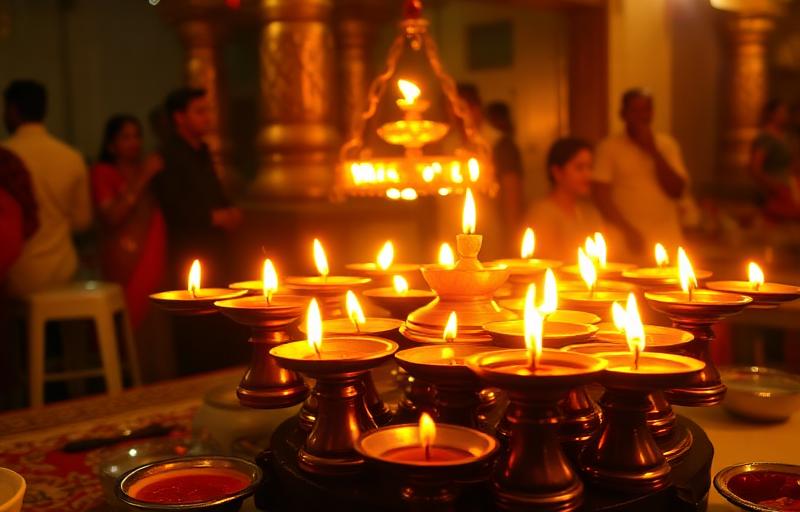
The mantra is traditionally chanted in counts of three, nine, twenty-seven or one hundred and eight, using a mala to keep track without breaking concentration. A single respectful repetition at each of the three sandhyas is itself considered a complete daily practice.
What matters most is returning to the same three points in the day, sunrise, midday and sunset, as consistently as possible, rather than chanting a large count only occasionally and skipping the daily rhythm altogether.
Rules to Observe and Mistakes to Avoid
- Do not rush the pronunciation just to complete a count quickly, each syllable deserves clear, unhurried attention
- Avoid skipping the traditional times altogether and chanting only whenever convenient, the sandhya timing is part of the practice itself
- If you follow a lineage that emphasizes formal initiation, seek that guidance rather than assuming the informal version applies to you
- Do not chant it flippantly in casual settings without the respect the mantra is traditionally given
- Keep a mala reserved for this jaap if possible, treating it with care
Benefits and the Takeaway
Devotees describe the Gayatri Mantra as bringing clarity of mind, calm and a sense of steady wisdom, particularly when chanted at sunrise. It is regarded as one of the most universally cherished prayers in Hindu tradition.
The takeaway worth keeping is that returning to the three sandhyas, even briefly, builds a far steadier practice than an elaborate count chanted only once in a while. Small, consistent devotion outlasts occasional intensity.
What People Ask Most
Is it necessary to chant Gayatri Mantra exactly at the three sandhya times?+
These three times are considered traditionally ideal, especially sunrise, but a sincere chant at any time of day still holds meaning if the exact times are not always possible.
What count should a beginner start with?+
A small count such as three or nine repetitions at each sandhya is a good starting point, gradually building toward a full round of one hundred and eight as comfort and familiarity grow.
Do I need to be formally initiated to chant Gayatri Mantra?+
Many devotees who follow a specific lineage receive it formally through upanayana or a teacher, while many others chant it as an open, universal prayer without that formality. Both are widely practiced.
About the author
Acharya Vinaya Kapoor · M.A. Sanskrit, Mantra & Stotra Studies
Acharya Vinaya holds an M.A. in Sanskrit from Banaras Hindu University and writes the mantra and stotra commentary on Vandnaa. Her focus is on accurate pronunciation, traditional context, and helping modern readers connect with classical texts.
Meet the Vandnaa editorial team →