Why Self-Control Is the Foundation
The Bhagavad Gita places atma-samyam (self-restraint) at the centre of a meaningful life. Without discipline, even great talent and good intentions scatter and go to waste. Krishna explains that the senses constantly pull the mind toward objects of desire, and an untrained mind follows them like a boat carried away by the wind. Discipline is simply the steady training that lets you choose your actions instead of being dragged by impulse.
Be Your Own Friend - Gita 6.5-6.6
In Chapter 6, Krishna gives one of the Gita's most powerful teachings on self-mastery:
Uddhared atmanatmanam natmanam avasadayet, Atmaiva hyatmano bandhur atmaiva ripur atmanah. (6.5)
Devanagari: उद्धरेदात्मनात्मानं नात्मानमवसादयेत्। आत्मैव ह्यात्मनो बन्धुरात्मैव रिपुरात्मनः॥
Meaning: Lift yourself by your own effort; do not degrade yourself. The self alone is the friend of the self, and the self alone is its enemy. Verse 6.6 adds that for one who has conquered the mind, it is the best friend - but for one who has not, it behaves as an enemy.
Mastering the Senses Brings Peace - Gita 2.64-65
Krishna explains the reward of disciplined senses in 2.64-65:
Devanagari: रागद्वेषवियुक्तैस्तु विषयानिन्द्रियैश्चरन्। आत्मवश्यैर्विधेयात्मा प्रसादमधिगच्छति॥
Meaning: One who moves among sense-objects with senses under control, free from attachment and aversion, attains prasada - inner serenity. Verse 2.65 adds that in this serenity all sorrows are destroyed and the intellect quickly becomes steady. Self-control is not suppression; it is the doorway to a calm, clear mind.
Discipline Is Freedom, Not Suppression
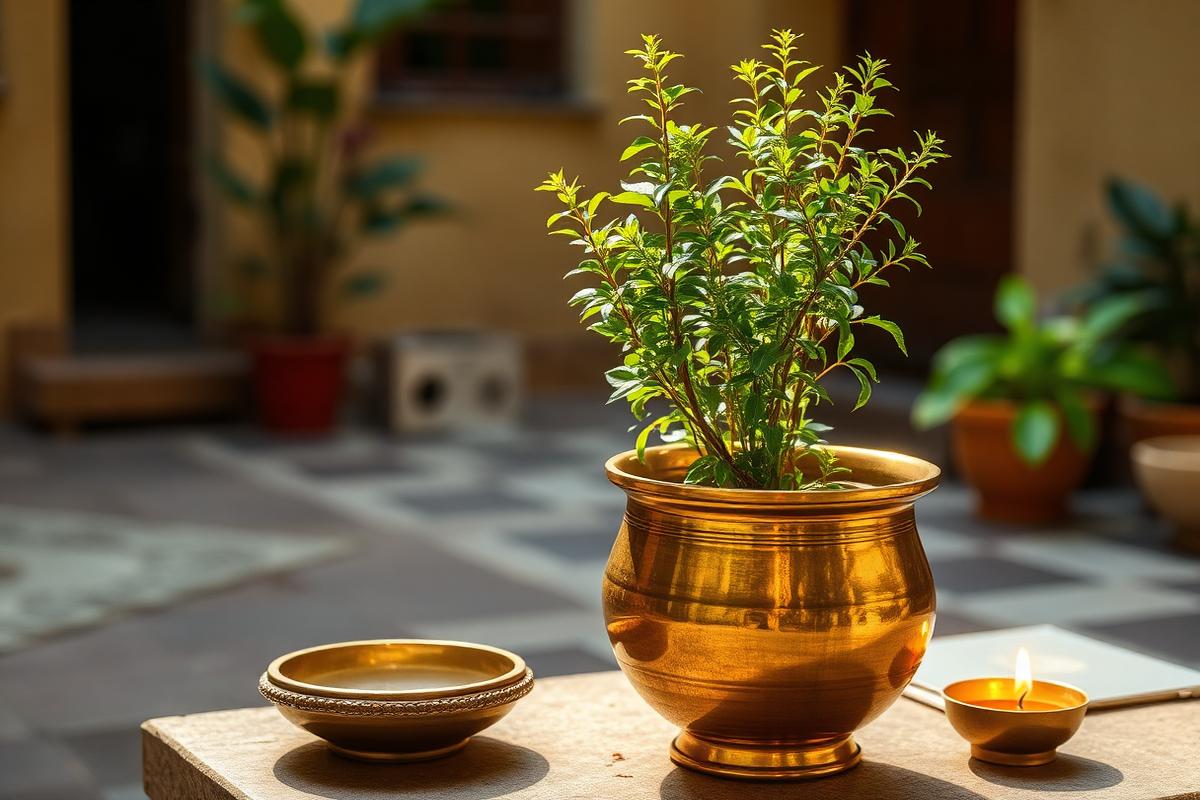
A common fear is that self-control means harsh denial. The Gita rejects extremes - it asks for steady regulation, not violent suppression. When the senses are merely forced down without understanding, desire only grows stronger in the dark. True samyam comes from clarity and devotion, where the mind willingly turns away from what harms it. Discipline practised with love becomes effortless and is experienced as freedom, not bondage.
Building Discipline in Daily Life
Apply the Gita by starting small and being consistent rather than perfect. 1. Fix a steady time to wake, pray, work and sleep, so the body and mind learn rhythm. 2. Practise one act of restraint daily - a pause before reacting, skipping one indulgence. 3. Watch the mind as a witness; when it wanders, gently bring it back without self-criticism. Consistency, not intensity, is what trains the mind, just as a river slowly shapes stone.
A Simple Practice
Each morning, choose one small discipline for the day - a fixed study hour, no phone before prayer, or a single act of self-restraint - and keep it no matter what. In the evening, sit quietly for two minutes, watch the breath, and silently affirm 'I am the master of my mind'. This pairing of a kept promise with brief meditation builds the atma-samyam the Gita describes, one steady day at a time.
Quick Answers
What does the Bhagavad Gita say about self-control?+
The Gita makes atma-samyam central to yoga. In 6.5-6.6 Krishna says one who masters the mind is their own best friend, while an uncontrolled mind is an enemy. Discipline lets us choose our actions rather than be dragged by impulse.
Which shloka teaches discipline and mind control?+
Gita 6.5 says 'uddhared atmanatmanam' - lift yourself by your own effort. Verses 2.64-65 explain that controlled senses, free from attachment and aversion, bring serenity (prasada) and a steady intellect.
Is self-control the same as suppressing desires?+
No. The Gita rejects harsh suppression, which only strengthens hidden desire. True samyam comes from clarity and devotion, where the mind willingly turns from what harms it. Discipline practised with love feels like freedom.
How does the Gita say to control the mind?+
Through steady practice (abhyasa) and detachment, watching the mind as a witness, and gently returning it when it wanders. Krishna stresses consistency over intensity - small, repeated efforts gradually master the restless mind.
Why is the mind called both friend and enemy in the Gita?+
In 6.6 Krishna says the mind is the best friend of one who has conquered it, but behaves as an enemy for one who has not. A disciplined mind serves you; an uncontrolled mind sabotages you, so self-mastery decides which it becomes.
What simple practice builds discipline as per the Gita?+
Keep one small kept promise each day - a fixed study hour or one act of restraint - and end with two minutes of watching the breath. This pairing of consistency and meditation steadily builds atma-samyam over time.
About the author
Pandit Ravindra Sharma · Vedic Rituals & Bhakti, 22+ years
Pandit Ravindra is the Vandnaa editorial team's resident specialist on aarti, chalisa, and daily devotion. He has performed home and temple pujas across Varanasi and Delhi for over two decades and contributes the bhakti-focused articles on this site.
Meet the Vandnaa editorial team →Explore on Vandnaa
Related Articles

What the Gita Says About Laziness & Procrastination
9 min read
What the Bhagavad Gita Says About Anger - How to Control It
10 min read
What the Bhagavad Gita Says About Ego & Pride
10 min read
How to Find Inner Peace - Hindu Practices
9 min read
What the Gita Says About Leadership
9 min read
Bhagavad Gita - All 18 Chapters Summary & Key Teachings
10 min read