The Root of Fear in the Gita
The Gita begins with Arjuna paralysed by fear and grief on the battlefield - a picture of every anxious human heart. Krishna does not dismiss the feeling; he diagnoses its cause. Worry arises when we fix our minds on outcomes we cannot control. The cure is to shift focus from the fruit of action to the action itself, and finally to surrender the whole burden to the Divine. This is the heart of the Gita's response to anxiety.
Act Without Attachment - Shloka 2.47
The Gita's most famous verse goes straight to the cause of worry:
karmanye vadhikaraste ma phaleshu kadachana ma karma-phala-hetur bhur ma te sango 'stv akarmani (2.47)
Meaning: you have a right to your action alone, never to its fruits. Do not let the fruit be your motive, nor be attached to inaction. You control your effort, not the outcome - so anchor your peace in the effort. When the mind stops gambling on results, a large part of worry simply dissolves.
Surrender and Grieve No More - Shloka 18.66
The Gita's final teaching is its deepest comfort for the fearful heart:
sarva-dharman parityajya mam ekam sharanam vraja aham tvam sarva-papebhyo mokshayishyami ma shuchah (18.66)
Meaning: abandon all other supports and take refuge in Me alone; I will free you from all sins, do not grieve (ma shuchah). When you have done your duty and placed the result in God's hands, fear has nowhere left to stand. Surrender is not giving up effort; it is laying down the impossible burden of controlling everything.
Applying This to Worry
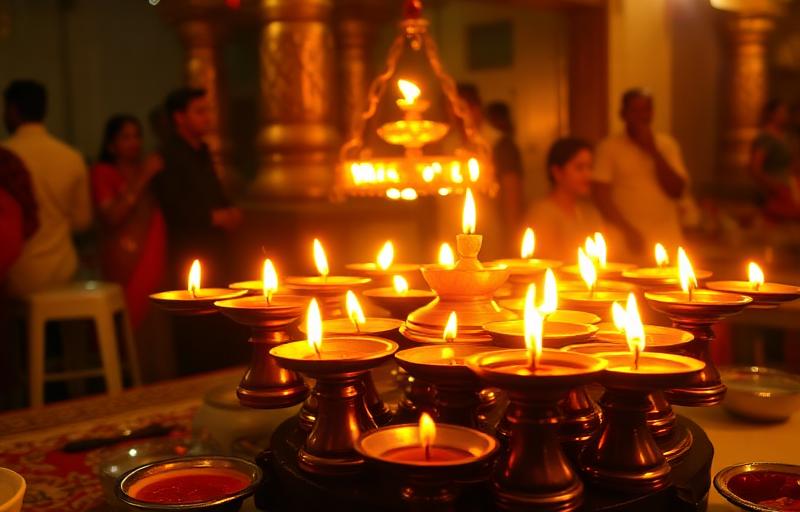
Most worry is the mind rehearsing futures it cannot command. The Gita offers a clean division of labour: do your part fully, release the rest. 1. Separate what is in your control (effort, attitude, the next step) from what is not (results, others' choices). 2. Pour your energy only into the first. 3. Offer the outcome to God as Krishna instructs. 4. When fear returns, repeat 'ma shuchah' - do not grieve. A mind that has surrendered the result is free to act with courage instead of trembling.
A Practice for Anxious Moments
When anxiety grips you, sit, close your eyes, and take three slow breaths. On each exhale, silently offer the thing you fear to Krishna with the words 'ma shuchah'. Then ask one practical question: 'What is the single next right action in my control?' Do that, and leave the rest. Done in the moment, this simple sharanagati (surrender) breaks the loop of worry and returns you to steady, purposeful action.
Building a Fearless Mind
The Gita repeatedly calls fearlessness (abhayam) the first quality of a divine nature (16.1). It grows not from pretending danger away but from a settled trust that you are doing your duty and the rest is held by a higher power. Courage in the Gita is not the absence of fear but the presence of faith. Regular study and remembrance of these verses slowly replace the habit of worry with the habit of trust.
What People Ask Most
What does the Bhagavad Gita say about fear and worry?+
The Gita teaches that worry comes from clinging to results we cannot control. In 2.47 it says do your duty without attachment to its fruit, and in 18.66 it says surrender to God and grieve no more.
What is the meaning of karmanye vadhikaraste?+
Shloka 2.47 means you have a right to your action alone, never to its fruits. You should not act for the result nor be attached to inaction. It teaches focusing on effort, not outcome.
What does 'ma shuchah' mean in shloka 18.66?+
'Ma shuchah' means 'do not grieve'. In 18.66 Krishna asks Arjuna to surrender to Him alone, promising freedom from all sins, and reassures him not to fear or grieve.
How does the Gita help overcome anxiety?+
It tells you to separate what you can control from what you cannot, pour energy only into your effort, and surrender the result to God. This division of labour removes the root cause of most worry.
Does surrender in the Gita mean giving up effort?+
No. Surrender means doing your duty fully and then laying down the impossible burden of controlling the outcome. You still act with full effort; you simply stop carrying the weight of results.
What does the Gita say about fearlessness?+
In 16.1 the Gita lists fearlessness (abhayam) as the first quality of a divine nature. It grows from faith and from doing one's duty while trusting the rest to a higher power.
About the author
Anjali Mehta · Editor, M.A. Religious Studies
Anjali is the managing editor for Vandnaa and oversees the festival and vrat coverage. She holds an M.A. in Religious Studies and reviews every published article for accuracy, accessibility, and tradition-fidelity.
Meet the Vandnaa editorial team →Explore on Vandnaa
Related Articles

What the Bhagavad Gita Says About Anger - How to Control It
10 min read
What the Gita Says About Detachment - Living Like a Lotus
9 min read
What the Gita Says About Death & the Soul - The Eternal Self
10 min read
Bhagavad Gita - All 18 Chapters Summary & Key Teachings
10 min read

Maha Mrityunjaya Mantra: Meaning & Benefits (महा मृत्युंजय मंत्र)
9 min read

Hare Krishna Maha Mantra – Lyrics, Meaning & Benefits
9 min read