Why Jealousy Arises
Jealousy is born when we measure our life against someone else's and feel that we have fallen short. The Bhagavad Gita explains that this restlessness comes from desire and ego, not from the other person at all. When the mind is ruled by craving and the feeling of 'I should have what they have', it loses its natural peace. Krishna teaches that the cure is not to win the comparison but to step out of the game entirely.
The Peace of the Desireless - Gita 2.71
In Chapter 2, verse 71, Krishna describes the one who has gone beyond comparison:
Vihaya kaman yah sarvan pumsh charati nihsprihah, Nirmamo nirahankarah sa shantim adhigachchhati.
Devanagari: विहाय कामान्यः सर्वान्पुमांश्चरति निःस्पृहः। निर्ममो निरहंकारः स शान्तिमधिगच्छति॥
Meaning: A person who gives up all cravings and moves through life free from longing, without the feeling of 'mine' and without ego, attains true peace. Comparison ends where 'mine' and 'I' loosen their grip.
The Devotee Free From Envy - Gita 12.13-14
When Krishna describes his dearest devotee, freedom from envy comes first. In verse 12.13 he says the one who is adveshta sarva-bhutanam - without hatred or envy toward any being, friendly and compassionate - is dear to him.
Devanagari: अद्वेष्टा सर्वभूतानां मैत्रः करुण एव च।
Meaning: The mark of a noble heart is to bear no jealousy toward anyone and to wish all beings well. Verse 14 adds that such a person is santushta (contented) and steady in mind. Contentment, not comparison, is the sign of inner maturity.
Why Comparison Never Ends
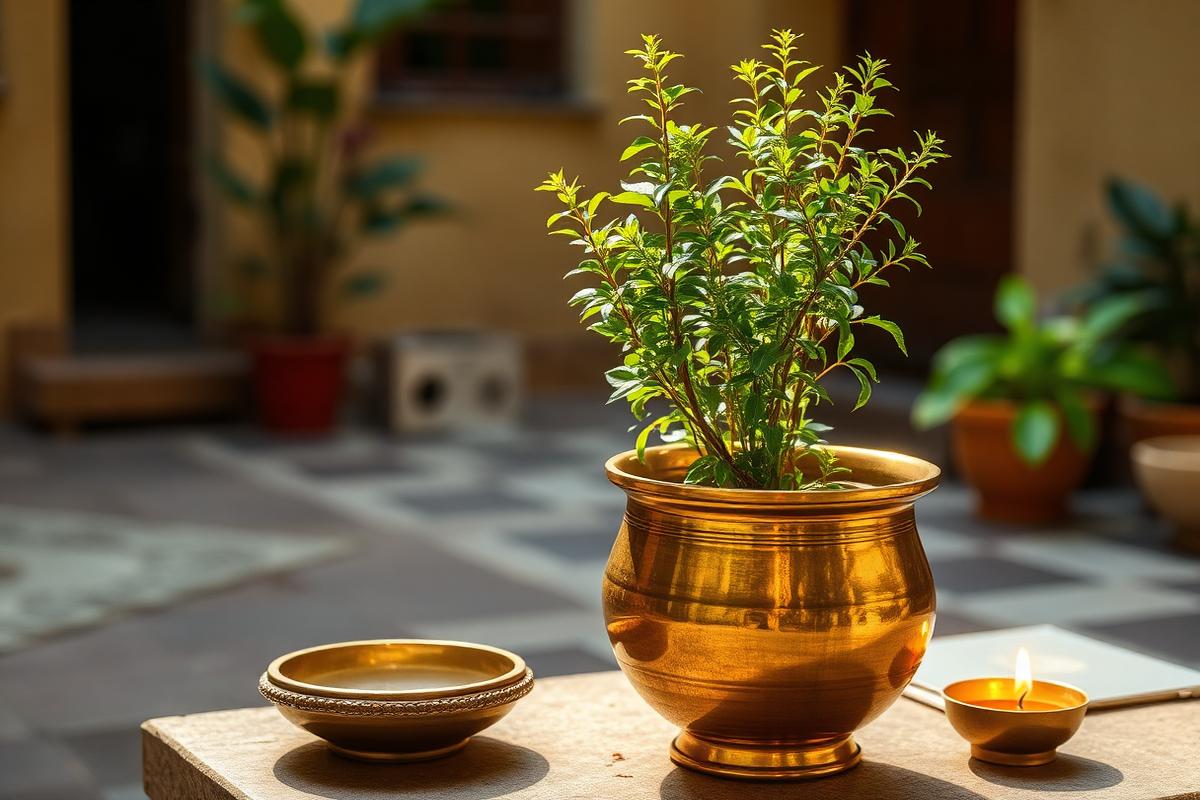
The Gita reminds us that everyone acts according to their own prakriti (nature) and karma. Comparing your life to another's is like comparing a river to a mountain - they are simply walking different paths. There will always be someone ahead and someone behind, so comparison is a race with no finish line. The wise person measures themselves only against their own duty and growth, not against others.
Applying This in Daily Life
When you feel a pang of jealousy - at work, on social media, within the family - pause and notice it without judgement. Remind yourself that the other person's success does not reduce your own worth or path. Replace the thought 'why them and not me' with a sincere wish for their wellbeing, which the Gita calls maitri (friendliness). Then return your attention to your own next right action. This single shift slowly drains jealousy of its power.
A Simple Practice
Each night, write down three things you are grateful for and one honest wish of wellbeing for someone you envy. Gratitude pulls the mind toward contentment (santosha), and blessing a rival dissolves the hardness of envy. Pair this with a minute of chanting or silent prayer, asking only for a steady, comparison-free mind. Within a few weeks the habit of comparing begins to loosen on its own.
Reader Questions Answered
What does the Bhagavad Gita say about jealousy?+
The Gita treats jealousy as a product of desire and ego that destroys inner peace. In 12.13 Krishna says his dear devotee is free from envy toward all beings, friendly and compassionate. Letting go of 'mine' and 'I' is the cure.
Which shloka talks about being free from envy?+
Gita 12.13 begins with 'adveshta sarva-bhutanam' - without hatred or envy toward any being. Verse 2.71 also describes the peace of one who lives free from craving, the feeling of 'mine' and ego.
How does the Gita help stop comparing myself to others?+
It teaches that everyone acts according to their own nature and karma, so comparison is a race with no finish. Focusing on your own duty and growth, rather than others' results, ends the cycle of comparison.
Is jealousy always wrong according to the Gita?+
The Gita does not condemn the feeling itself but warns that dwelling in jealousy clouds judgement and steals peace. It guides us to notice the emotion, release it, and replace it with goodwill and contentment.
What practice does the Gita suggest for contentment?+
Cultivating santosha (contentment) and maitri (friendliness toward all) is central. A daily practice of gratitude, wishing wellbeing even to those we envy, and returning attention to our own duty steadily builds inner peace.
Does social media comparison relate to Gita teachings?+
Yes. Endless scrolling fuels the comparison and craving the Gita warns against. Krishna's advice to act without attachment to others' results applies directly - measure yourself by your own growth, not by curated highlights of others.
About the author
Anjali Mehta · Editor, M.A. Religious Studies
Anjali is the managing editor for Vandnaa and oversees the festival and vrat coverage. She holds an M.A. in Religious Studies and reviews every published article for accuracy, accessibility, and tradition-fidelity.
Meet the Vandnaa editorial team →Explore on Vandnaa
Related Articles

What the Bhagavad Gita Says About Ego & Pride
10 min read
What the Gita Says About Detachment - Living Like a Lotus
9 min read
What the Gita Says About Success & Work - Karma Yoga
10 min read
How to Find Inner Peace - Hindu Practices
9 min read
What the Gita Says About Failure & Setbacks
10 min read
Bhagavad Gita - All 18 Chapters Summary & Key Teachings
10 min read