Govind Dev Ji: A Krishna Deity with Roots in Vrindavan
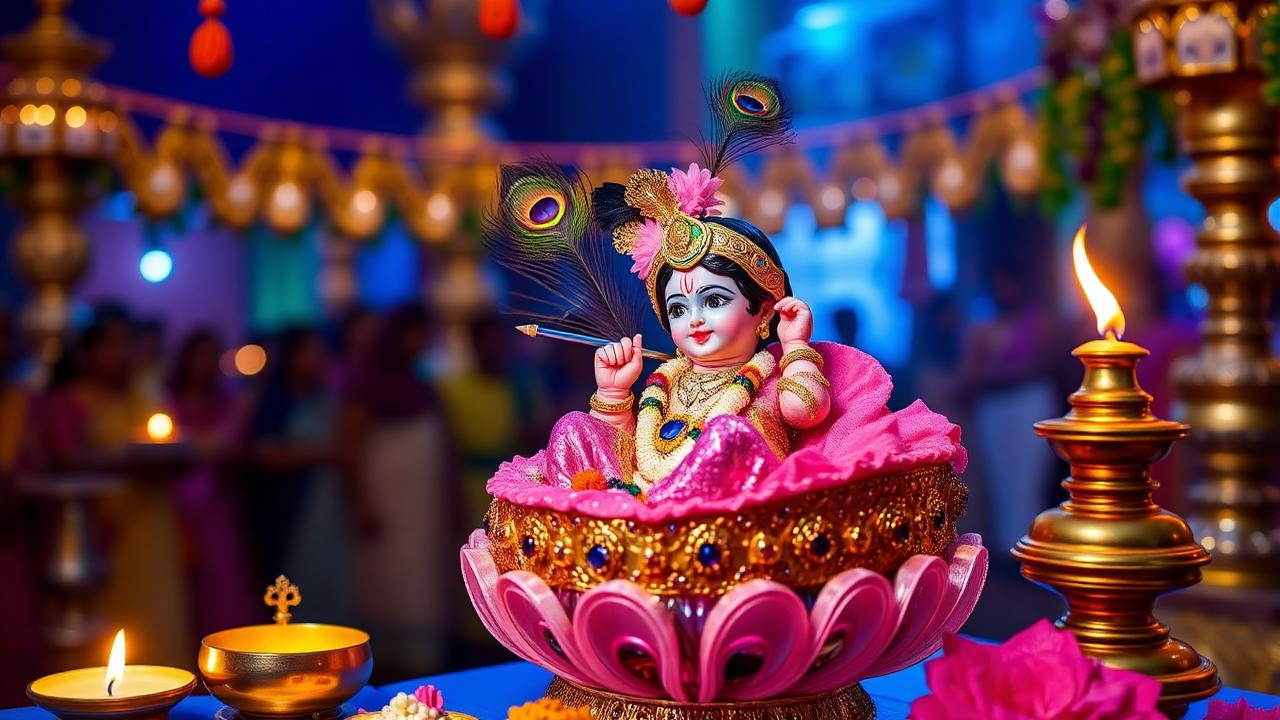
Govind Dev Ji Temple, set within the City Palace complex in Jaipur, enshrines one of the most revered Krishna deities of Rajasthan. Though the temple stands far from Braj, the deity itself is deeply connected to Vrindavan, where it was originally worshipped before being carried to Rajasthan generations ago for safekeeping during a difficult period in history.
Today, Govind Dev Ji is regarded as the presiding deity of Jaipur itself, and the royal family of Jaipur has traditionally considered themselves servants of this Krishna form rather than rulers above him.
The Journey from Braj to Rajasthan
Tradition traces the deity's origin to Vrindavan, where it is said to have been worshipped by Vajranabha, Krishna's own great-grandson, in ancient times, and later rediscovered and reinstated by the saints of the Gaudiya Vaishnava tradition. Centuries ago, during a time of unrest and uncertainty in Braj, devotees carried the deity away from Vrindavan for its protection, and it eventually found a lasting home in Jaipur under the patronage of the Kachhwaha rulers.
The deity was installed with great reverence in the City Palace complex, where it has remained ever since, cared for as an honoured member of the royal household rather than merely a temple idol.
Why Govind Dev Ji Is Central to Jaipur's Faith
For the people of Jaipur, Govind Dev Ji is far more than one temple among many, he is considered the true ruler of the city, with the royal family serving as caretakers on his behalf.
- Devotees believe that darshan of Govind Dev Ji from the palace gardens carries the same intimacy once felt by devotees in Vrindavan
- The temple's link to Vrindavan is a source of pride for Jaipur's devotees, connecting the city to Krishna's own land
- Major decisions of the former royal state were traditionally undertaken in the deity's name
- Janmashtami at this temple is one of Jaipur's largest devotional gatherings of the year
Darshan Guide: The Seven Daily Darshans
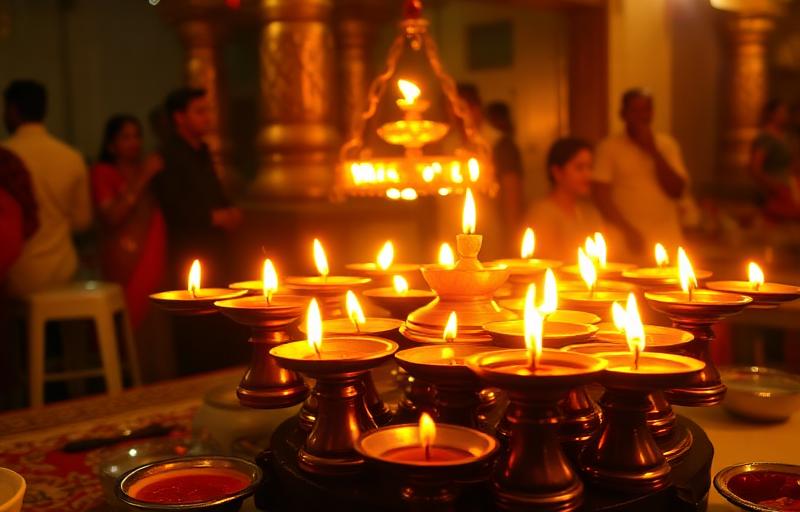
Govind Dev Ji Temple follows a distinctive tradition of seven darshans through the day, opening the curtains before the deity at set intervals from early morning to night, each accompanied by aarti. Devotees often try to attend more than one darshan in a single visit to experience the deity's different daily adornments.
Janmashtami is the temple's most significant festival, celebrated through the night with continuous kirtan, while Holi and Diwali are also marked with special decoration and larger than usual crowds.
How to Reach Govind Dev Ji Temple, Jaipur
The temple is located within the City Palace complex in the heart of Jaipur, close to the Jantar Mantar and Hawa Mahal, making it easy to combine with other sightseeing in the old city. Jaipur is well connected by rail, road and air, with Jaipur Junction railway station and Jaipur International Airport both serving the city directly. Local autos and cycle rickshaws easily cover the short distance from most parts of the old city to the temple.
A Simple Prayer and the Takeaway
Devotees before Govind Dev Ji often chant Om Namo Bhagavate Govindaya ('salutations to the Lord known as Govinda'), a name of Krishna as the protector and keeper of cows and devotees alike.
Govind Dev Ji's journey from Vrindavan to Jaipur is a reminder to devotees that devotion travels wherever it is carried with faith, and that a deity's true home is ultimately in the hearts of those who worship. Worship here, as everywhere, is an act of faith and love, not a transaction.
Common Questions From Devotees
How is Govind Dev Ji connected to Vrindavan?+
The deity was originally worshipped in Vrindavan and is said to trace back to Krishna's own great-grandson Vajranabha, before being carried to Jaipur generations ago for protection.
Why is Govind Dev Ji considered Jaipur's ruling deity?+
The royal family of Jaipur has traditionally regarded itself as a servant of Govind Dev Ji rather than his ruler, and important matters of the former state were conducted in his name.
What are the seven darshans at Govind Dev Ji Temple?+
The temple opens the curtains before the deity seven times through the day, from early morning to night, each darshan accompanied by aarti and a fresh adornment of the deity.
About the author
Pandit Ravindra Sharma · Vedic Rituals & Bhakti, 22+ years
Pandit Ravindra is the Vandnaa editorial team's resident specialist on aarti, chalisa, and daily devotion. He has performed home and temple pujas across Varanasi and Delhi for over two decades and contributes the bhakti-focused articles on this site.
Meet the Vandnaa editorial team →