Govindaji: Krishna as Manipur's Royal Deity
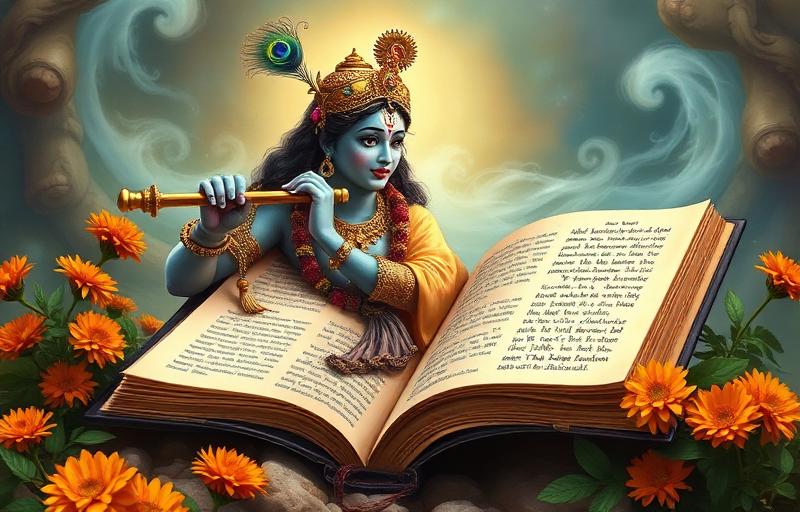
Standing beside the old royal palace complex in Imphal, Govindaji Temple is regarded as the spiritual heart of Manipur's Vaishnava tradition. Its twin golden domes rise above white walls, marking one of Northeast India's most distinctive temple structures. Within the sanctum, Govindaji, a beloved form of Krishna, is enshrined alongside Balaram, his elder brother, the two images placed side by side and worshipped with equal reverence.
For generations, the Meitei Vaishnava community of Manipur has regarded this temple not merely as a place of worship but as the ceremonial residence of Krishna himself, cared for with the same devotion once shown to Manipur's kings.
The temple's open courtyard, spread before the sanctum, has long served as the stage for Manipur's most treasured devotional art, the Ras Lila.
History and the Vision of Bhagyachandra
Manipur's devotion to Krishna is closely tied to Maharaja Bhagyachandra, an 18th century ruler who embraced Vaishnavism and is remembered as the king who shaped much of the state's devotional life. According to tradition, he received a vision in which Krishna, in his Govinda form, appeared and instructed that his image be installed and honored through dance and devotion.
Following this vision, the king is said to have had the deity carved and consecrated, and to have composed the early choreography of what became the Ras Lila, a devotional dance-drama depicting Krishna's divine play. The original shrine has been rebuilt more than once over the generations, with the present structure reflecting a later, more settled era of temple building in Imphal.
Despite these rebuildings, the temple's role as the living center of Manipuri Vaishnavism has remained unbroken.
Significance for Meitei Vaishnavas
Govindaji Temple occupies a place of unmatched significance for Manipur's Vaishnava community. The deity is treated much like royalty within the sanctum, woken, dressed, offered food and put to rest each day according to a fixed ritual schedule, a practice that reflects the deep personal devotion Manipuris hold for Krishna.
As the temple long associated with Manipur's royal family, Govindaji also carries historical weight as a symbol of the state's Vaishnava identity, one that shaped its art, music and dance for centuries.
Devotees visit not only to seek blessings but to feel part of a living tradition where faith and artistic expression remain deeply intertwined.
Rituals and Festivals
Govindaji Temple follows a rich calendar of daily worship and seasonal celebration.
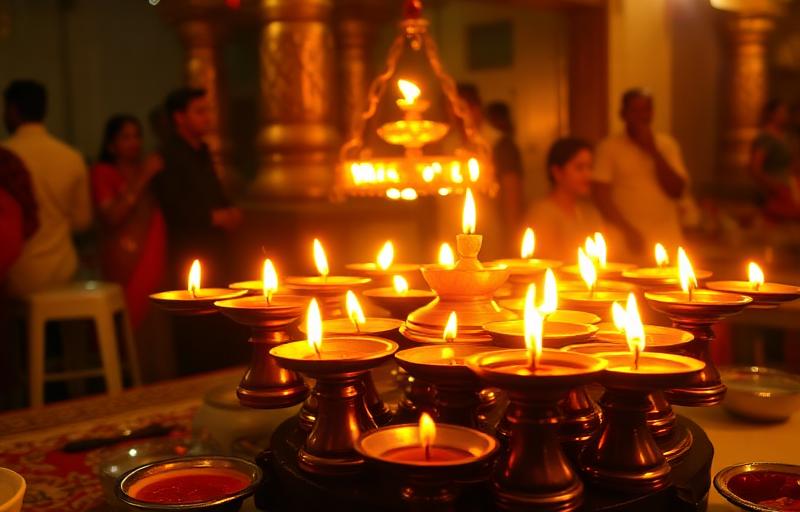
- Daily aarti and ritual offerings are performed for Govindaji and Balaram according to a fixed schedule
- Ras Lila performances are staged in the temple courtyard, especially significant during the autumn season and around Krishna Janmashtami
- Kang Chingba, Manipur's own chariot festival for Govindaji, draws large numbers of devotees each year
- Devotees typically offer flowers and simple items, following the guidance of temple priests
How to Reach Govindaji Temple
Govindaji Temple is located in Imphal, the capital of Manipur, close to the old palace grounds at Kangla, making it easily accessible by local transport within the city. Imphal is connected by air through Bir Tikendrajit International Airport, with regular flights from major Indian cities.
Mornings and evenings, when the daily aarti is performed, are considered the most meaningful times for darshan, and devotees are advised to check current timings locally, particularly around major festivals.
A Devotee's Reflection
Devotees chant 'Hare Krishna' and 'Jai Govindaji' as they enter the temple courtyard, carrying forward a devotion that has been expressed through dance and worship alike for over two centuries.
Govindaji Temple offers a gentle reminder that devotion need not be confined to ritual alone, that a graceful movement or a well-kept tradition can itself become an offering of love to the divine.
Common Questions From Devotees
Which deity is worshipped at Govindaji Temple?+
Govindaji Temple enshrines Krishna in his Govindaji form alongside his elder brother Balaram, with both images worshipped together in the main sanctum.
What is the connection between Govindaji Temple and Ras Lila?+
According to tradition, Maharaja Bhagyachandra composed the early form of Ras Lila after a vision of Krishna, and the temple's courtyard has since remained the traditional stage for this devotional dance-drama.
When is the best time to visit Govindaji Temple?+
Mornings and evenings during daily aarti are considered meaningful for darshan, while the autumn season and Krishna Janmashtami offer devotees the chance to witness Ras Lila performances.
About the author
Pandit Ravindra Sharma · Vedic Rituals & Bhakti, 22+ years
Pandit Ravindra is the Vandnaa editorial team's resident specialist on aarti, chalisa, and daily devotion. He has performed home and temple pujas across Varanasi and Delhi for over two decades and contributes the bhakti-focused articles on this site.
Meet the Vandnaa editorial team →