Hayagriva Madhava: Vishnu on Manikuta Hill
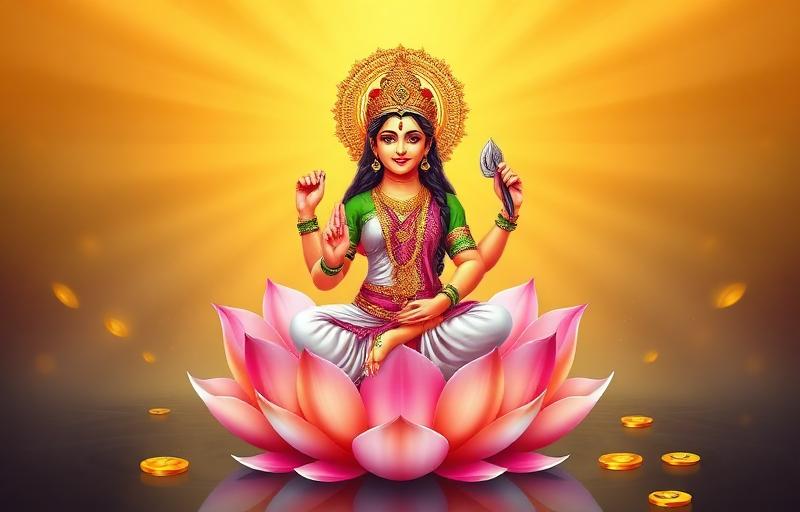
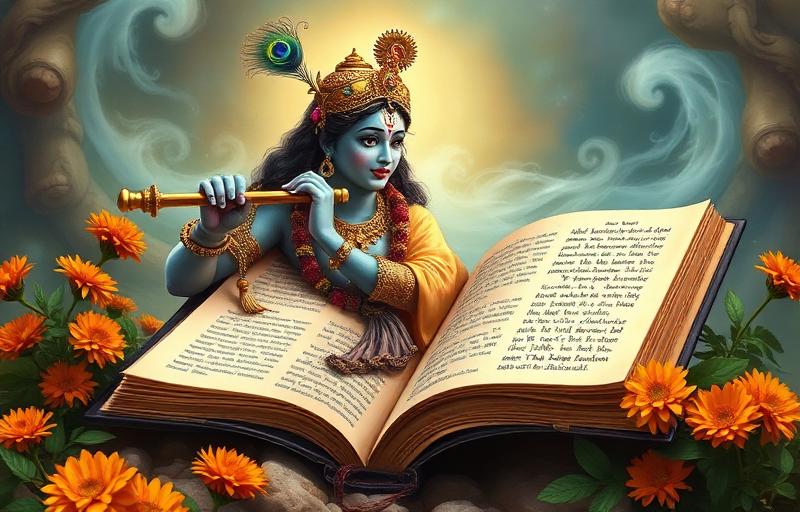
Atop Manikuta Hill in the small town of Hajo, not far from Guwahati, stands the Hayagriva Madhava Temple, dedicated to Vishnu worshipped in his Hayagriva form, described in Hindu scripture as the deity who recovered the sacred Vedas after they were lost. The temple's stone structure, weathered by centuries of monsoon and mist, sits amid quiet greenery that lends the site a deeply contemplative atmosphere.
Hajo itself is a place of unusual devotional significance, home to sites cherished by Hindus, Buddhists and others across the region, and the Hayagriva Madhava Temple stands as its principal Hindu shrine.
History and Legend
The temple's origins are believed to be ancient, with the present structure attributed to renovation and rebuilding during the era of the Koch dynasty, which patronized temple building extensively across the region. Local tradition holds that the site has been regarded as sacred for far longer than the present building itself, its stone foundations bearing carvings that speak to its long devotional history.
According to Vaishnava tradition, the site is associated with the legend of Hayagriva's recovery of the Vedas, a story that gives the temple its name and its deep resonance for devotees of Vishnu.
Significance in Assam's Vaishnava Tradition
For Assam's Vaishnava community, Hayagriva Madhava Temple holds a place of deep reverence as one of the region's oldest continuously worshipped Vishnu shrines. Devotees regard the temple as a site where knowledge itself, represented by the recovered Vedas, is honored alongside devotion, making it a place associated with both faith and wisdom.
The temple's hilltop setting, offering quiet views over Hajo and the surrounding countryside, is often described by pilgrims as adding a sense of peaceful elevation to their darshan.
Rituals and Festivals
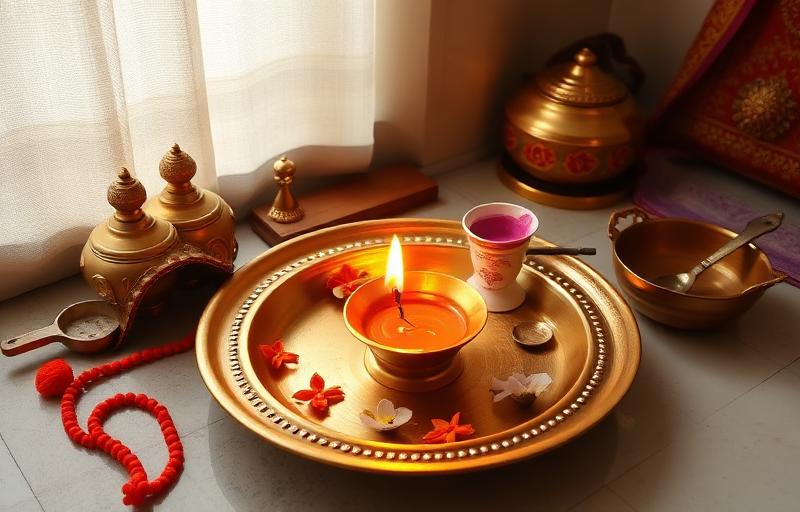
The temple observes a steady rhythm of daily worship alongside seasonal celebration.
- Daily rituals and aarti are conducted by resident priests according to long-followed custom
- Doul Utsav, Assam's own celebration of Holi, is observed with particular devotion at Vaishnava shrines in the region, including this temple
- Devotees often combine a visit here with darshan at Hajo's other sacred sites nearby
- Modest dress and quiet conduct are expected, in keeping with the temple's contemplative setting
How to Reach Hayagriva Madhava Temple
Hajo lies roughly an hour's drive from Guwahati, which is well connected by rail and air, with Lokpriya Gopinath Bordoloi International Airport serving as the nearest major airport. Local taxis and buses connect Guwahati to Hajo regularly.
Most devotees visit as a day trip from Guwahati, and mornings tend to offer a quieter, more peaceful darshan before the hill draws its usual flow of visitors later in the day.
A Devotee's Reflection
Devotees chant 'Om Namo Bhagavate Vasudevaya' while climbing the hill toward the sanctum, offering their steps as an act of devotion to Vishnu.
Standing before this ancient shrine, worn by centuries yet still alive with daily worship, devotees often find a quiet reminder that faith, like the Vedas the temple's very name recalls, endures through every age when it is carried forward with care.
What People Ask Most
Who is worshipped at the Hayagriva Madhava Temple?+
The temple is dedicated to Vishnu worshipped in his Hayagriva form, described in Hindu scripture as the deity who recovered the sacred Vedas.
How old is the Hayagriva Madhava Temple?+
The site is believed to have been sacred for a very long time, with the present structure attributed to renovation during the era of the Koch dynasty, which patronized temple building across the region.
How do devotees reach Hayagriva Madhava Temple from Guwahati?+
Hajo lies roughly an hour's drive from Guwahati, and local taxis and buses connect the two regularly, making it a common day trip for devotees visiting the region.
About the author
Pandit Ravindra Sharma · Vedic Rituals & Bhakti, 22+ years
Pandit Ravindra is the Vandnaa editorial team's resident specialist on aarti, chalisa, and daily devotion. He has performed home and temple pujas across Varanasi and Delhi for over two decades and contributes the bhakti-focused articles on this site.
Meet the Vandnaa editorial team →