What Is the Hanuman Beej Mantra Hum
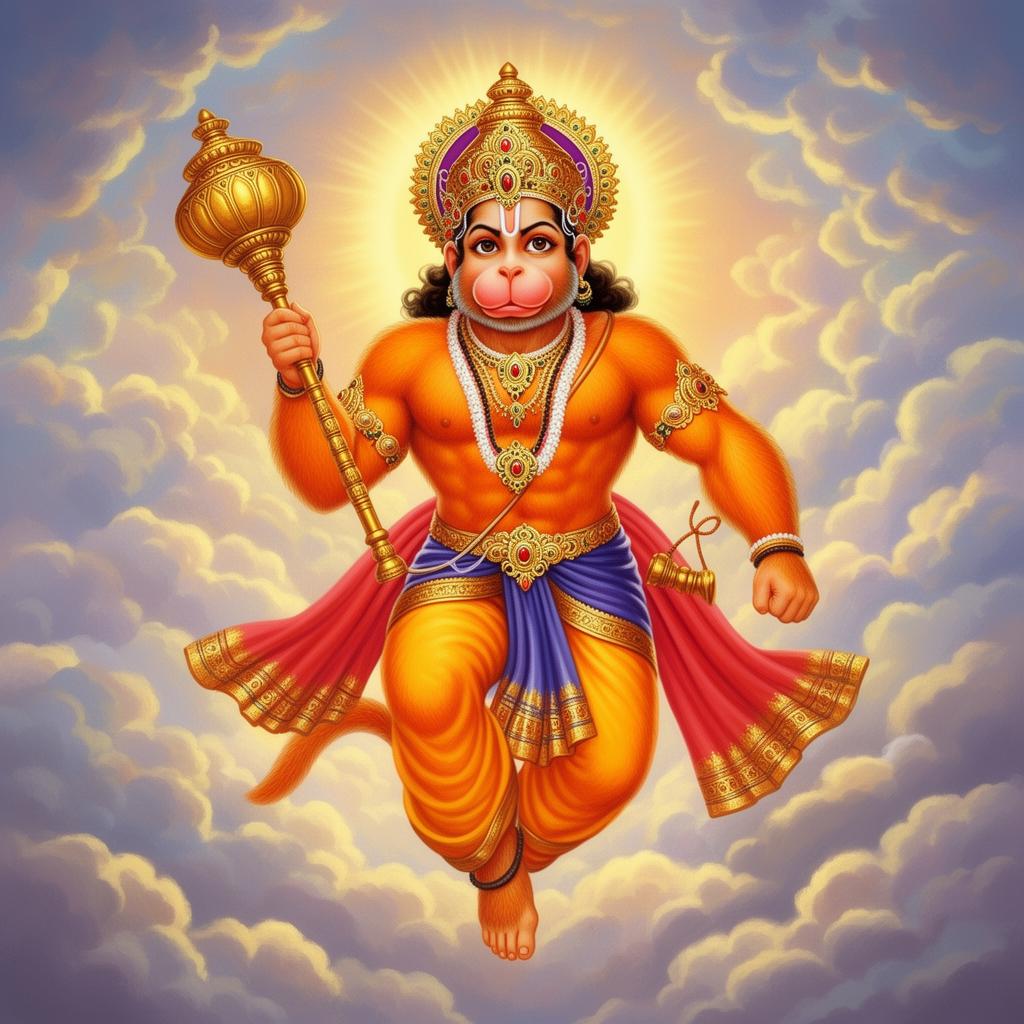
Hum is chanted across Hindu tradition as the beej mantra of Lord Hanuman, the devoted, mighty companion of Rama known for boundless strength and unwavering courage. In its fuller form it appears as Om Hum Hanumate Namah, meaning 'salutations to Hanuman, who is invoked through the sound Hum'.
Hum is considered a beej of forceful energy, often described in tradition as a sound that cuts through fear the way Hanuman himself cut through every obstacle placed before Rama's cause.
Scriptural Roots and Tradition
Hanuman is traditionally regarded in many lineages as an incarnation of Rudra, an aspect of Shiva, which is one reason Hum, a beej also linked to fierce protective energy elsewhere in Shaiva and Shakta worship, came to be associated with him. This connection appears in verses of the Hanuman Chalisa itself, which calls him 'Shankar Suvan', the son of Shankar.
Over centuries, this beej found its place in longer devotional formulas such as Om Hum Hanumate Rudratmakaya Hum Phat, used by devotees seeking his protection from fear, illness and negative influences.
The Meaning Held Within the Sound
Mantra tradition describes Hum as a beej of concentrated shakti, force turned toward protection rather than harm, fitting for a deity celebrated as the ideal of selfless strength placed entirely in service of dharma. It is often grouped among 'fierce' beejas, sounds believed to dispel negative energy quickly and decisively.
Devotees are taught that this force is never separate from devotion, since Hanuman's power in tradition flows directly from his bhakti toward Rama, making Hum a sound of strength rooted in love rather than aggression.
How and When Devotees Chant Hum
Om Hum Hanumate Namah is traditionally chanted on Tuesdays and Saturdays, days considered dear to Hanuman, often at temples where devotees offer sindoor, betel leaves or a garland of flowers. Many chant it before a long journey, a difficult task or when facing fear.
- A count of 108 with a rudraksha mala is common practice
- Reciting it alongside the Hanuman Chalisa or Bajrang Baan is widespread
- Some devotees chant it quietly while lighting a mustard oil lamp on Saturday evenings
- It is often taught to children as a mantra of courage before exams or new challenges
Benefits as Per Tradition
As per tradition, chanting Hum with sincerity is believed to dispel fear, strengthen resolve and offer protection during travel, illness or uncertain times. Devotees believe Hanuman's grace, invoked through this sound, grants both physical courage and steadiness of mind under pressure.
It is also associated with overcoming self-doubt, families encouraging children and students to chant it before difficult tasks, trusting that Hanuman's own humility despite his immense strength offers a model worth following.
A Simple Daily Practice
Hum does not need a grand ritual to carry meaning. A few sincere repetitions before stepping into a difficult situation, spoken with steady breath, are considered by devotees to invite the same courage Hanuman offered so freely to others.
As with all mantra practice, chanting Hum is an act of faith and love, not a transaction, a quiet reminder that true strength, as Hanuman's life shows, is always held in service of something greater than oneself.
Common Questions From Devotees
What does the Hanuman beej mantra Hum mean?+
Hum is considered the seed sound of Lord Hanuman, associated with concentrated protective strength. It is chanted as Om Hum Hanumate Namah to invoke his courage and protection from fear.
Why is Hanuman linked to the beej Hum?+
Many traditions regard Hanuman as an incarnation of Rudra, an aspect of Shiva, and Hum is a fierce, protective beej also connected to that energy. This link appears in the Hanuman Chalisa's reference to him as Shankar Suvan.
When do devotees typically chant Hum?+
It is commonly chanted on Tuesdays and Saturdays, before travel or difficult tasks, and alongside the Hanuman Chalisa or Bajrang Baan, especially in moments requiring courage.
About the author
Acharya Vinaya Kapoor · M.A. Sanskrit, Mantra & Stotra Studies
Acharya Vinaya holds an M.A. in Sanskrit from Banaras Hindu University and writes the mantra and stotra commentary on Vandnaa. Her focus is on accurate pronunciation, traditional context, and helping modern readers connect with classical texts.
Meet the Vandnaa editorial team →