Who is Hateshwari Mata
In the Jubbal valley of Himachal Pradesh's Shimla district lies Hatkoti, home to an ancient temple complex dedicated to Hateshwari Mata, a form of the Devi worshipped here alongside a Shiva shrine within the same sacred grounds. The goddess is often depicted in her Mahishasuramardini form, the vanquisher of the buffalo demon, embodying the triumph of good over evil.
The temple's stone architecture, with its curved shikhara and intricately carved surfaces, sets it apart as one of the finest examples of ancient hill temple craftsmanship in the region, quite distinct from the wooden pagoda style seen elsewhere in Himachal.
For pilgrims travelling through the Jubbal valley, Hatkoti is regarded as a place of deep antiquity, where the presence of the Devi feels layered into the very stone of the shrine.
History and Legend
According to tradition, the Hatkoti temple complex is of great antiquity, believed by local accounts to have been built many centuries ago, making it one of the oldest surviving temple sites in this part of the Himalayas. Its stone construction, unusual for the region's often wooden hill temples, is said to reflect the influence of temple building traditions from the plains reaching into these mountains long ago.
Hateshwari Devi is worshipped here as the destroyer of the demon Mahishasura, her presence in the complex representing the same victory of Shakti celebrated across the Devi Mahatmya tradition. The adjoining Shiva temple within the same complex reflects a harmonious tradition of worshipping both forms of the divine at a single sacred site.
Over the centuries, the temple has remained a quiet but steadfast centre of devotion for the villages of the Jubbal valley, its stone walls witnessing generations of prayer largely undisturbed by the passage of time.
Significance and What Devotees Pray For
Hateshwari Mata is worshipped as a powerful protector, embodying the strength of Shakti that overcomes evil, and devotees pray to her for courage, protection and victory over life's obstacles. As per tradition, the temple's dual dedication to the Devi and Shiva also draws devotees seeking the combined blessing of both forms of the divine.
Pilgrims from across the Jubbal valley and beyond visit Hatkoti not only for personal prayers but to witness the temple's ancient stonework, considering the visit itself an act of reverence toward the region's spiritual heritage.
As with all such worship, devotees are reminded that visiting Hatkoti is an offering of faith and respect, not a transaction, and that its ancient stones carry a devotion meant to be approached with humility.
Darshan Guide - Timings and Festivals
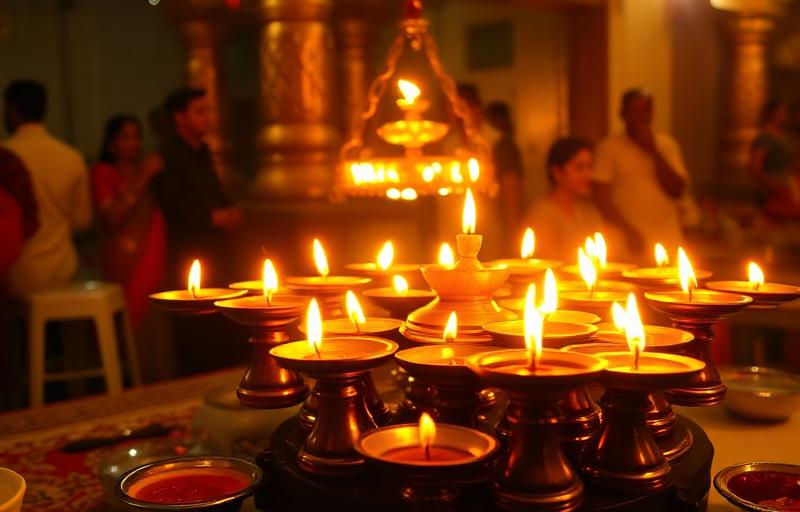
The temple complex follows the typical rhythm of hill shrines, with morning and evening aarti forming the core of daily worship, and darshan generally available through the day between these times.
Navratri is the most significant period for devotion here, along with local festivals of the Jubbal valley that bring villagers together at the temple grounds for collective worship and celebration.
Given its relatively remote location, visitors are advised to plan their trip according to season, as the Jubbal valley can experience heavy snowfall in the depths of winter.
How to Reach Hateshwari Mata Temple, Hatkoti
Hatkoti lies in the Jubbal valley of Shimla district, reached by hill roads that branch off from the main Shimla-Kinnaur and Shimla-Rohru routes.
The nearest railhead and airport are both at Shimla, from where the journey continues by road through scenic valley terrain, a drive of several hours depending on conditions.
Many pilgrims combine a visit to Hatkoti with a wider exploration of the Jubbal and Rohru valleys, appreciating both the temple's antiquity and the region's natural beauty.
Mantra to Chant and Takeaway
Devotees chant Om Hateshwaryai Namah (I bow to Mother Hateshwari), along with the universal Devi mantra Om Aim Hreem Kleem Chamundayai Vichche, honouring her victory over evil within the ancient stone sanctum.
What makes Hatkoti memorable is the sense of standing amid living history, a temple whose weathered stone has absorbed centuries of prayer, quietly connecting the present devotee to generations who came before.
As always, worship here is an act of faith and love, not a transaction, offered in a valley where ancient stone and enduring devotion stand together.
What People Ask Most
What makes the Hatkoti temple complex architecturally significant?+
The complex features ancient stone architecture with a curved shikhara and intricate carvings, distinct from the wooden pagoda style common elsewhere in Himachal, making it one of the finest examples of old hill temple craftsmanship.
Which form of the Devi is worshipped at Hatkoti?+
The goddess is worshipped as Hateshwari, often associated with her Mahishasuramardini form as the vanquisher of the buffalo demon, alongside an adjoining Shiva shrine within the same complex.
How can I reach Hateshwari Mata Temple at Hatkoti?+
Hatkoti is reached via hill roads branching from the main Shimla-Kinnaur and Shimla-Rohru routes, with the nearest railhead and airport both located at Shimla.
About the author
Pandit Ravindra Sharma · Vedic Rituals & Bhakti, 22+ years
Pandit Ravindra is the Vandnaa editorial team's resident specialist on aarti, chalisa, and daily devotion. He has performed home and temple pujas across Varanasi and Delhi for over two decades and contributes the bhakti-focused articles on this site.
Meet the Vandnaa editorial team →